Old Salmon Cans Reveal Healthy Alaska Ecosystems
Scientists turned expired canned salmon from the 1970s into a time machine, discovering that increasing parasites actually signal thriving ocean health. What sounds gross is actually great news for Alaska's marine life.
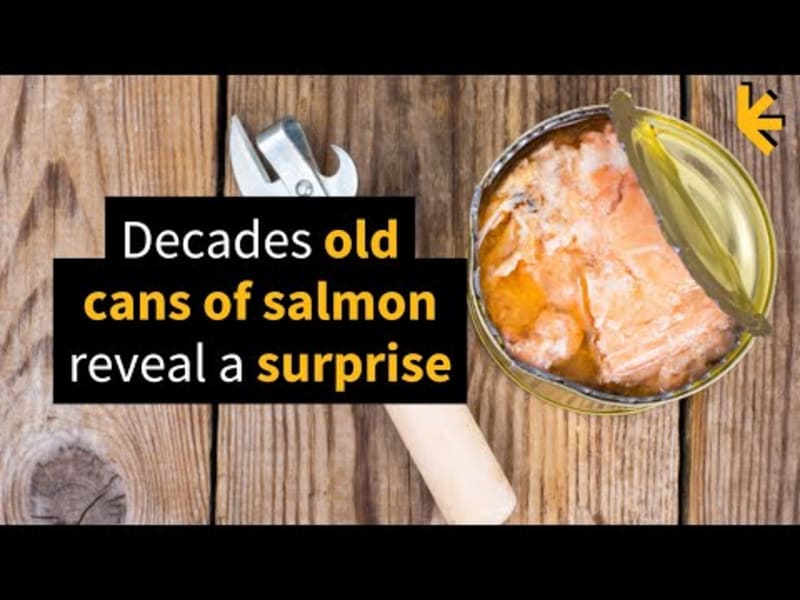
When a Seattle seafood association offered researchers boxes of dusty, expired salmon cans, most people would have politely declined. But University of Washington ecologists Natalie Mastick and Chelsea Wood saw something incredible: a 42-year archive of ocean health preserved in tin and brine.
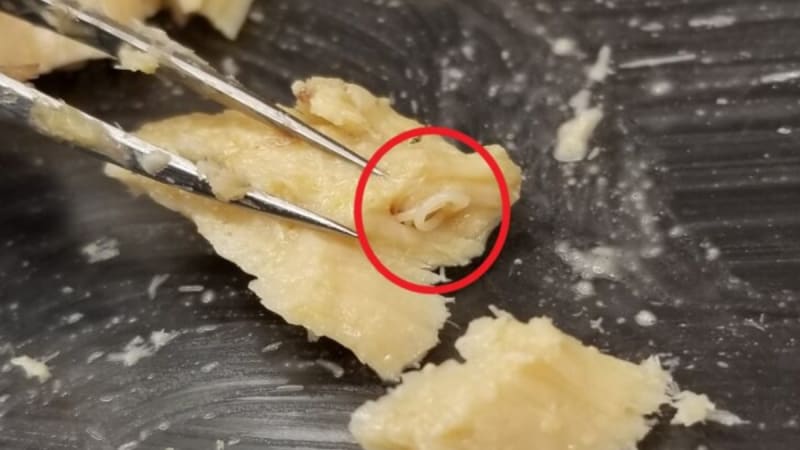
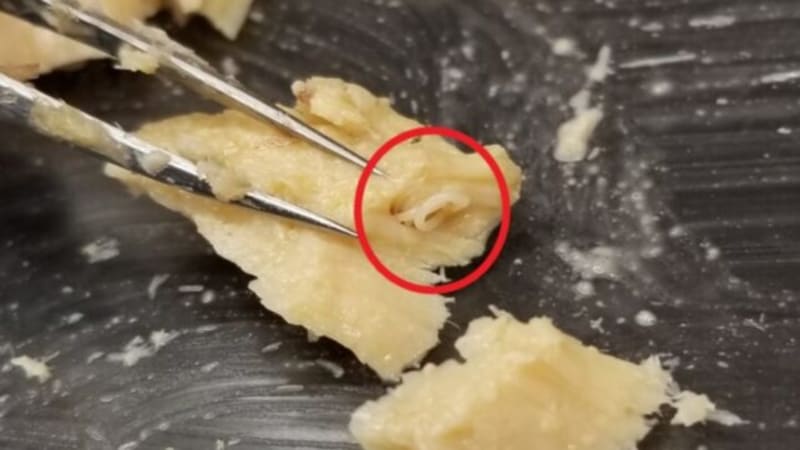
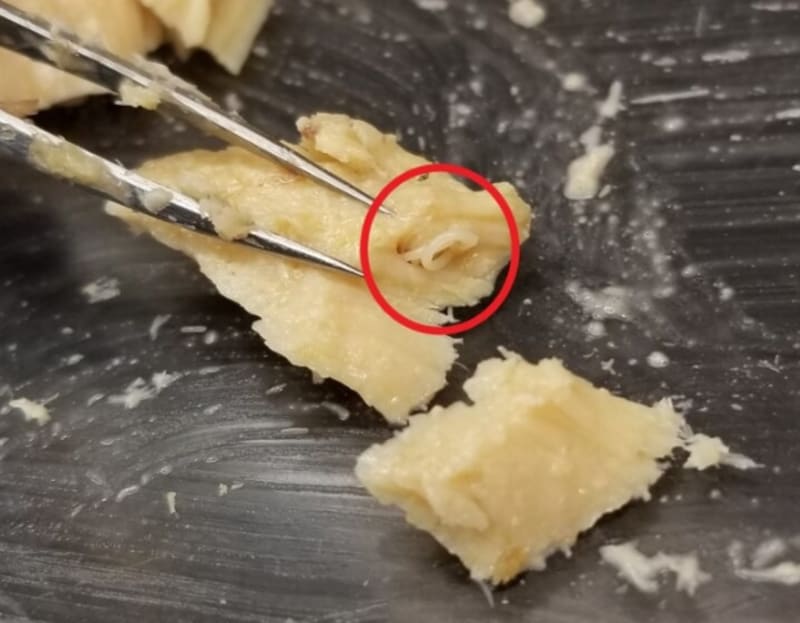
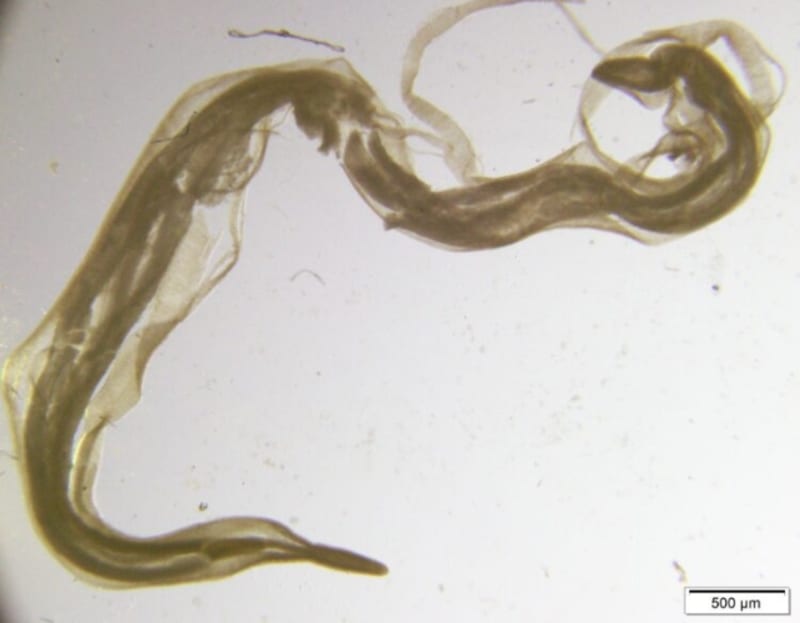
The cans, dating back to 1979, contained more than just fish. They held tiny parasitic worms called anisakids, and these worms tell a surprisingly hopeful story about Alaska's marine ecosystems.
Before you swear off canned salmon forever, know this: these worms are completely harmless to humans once cooked or canned. More importantly, their presence signals something wonderful.
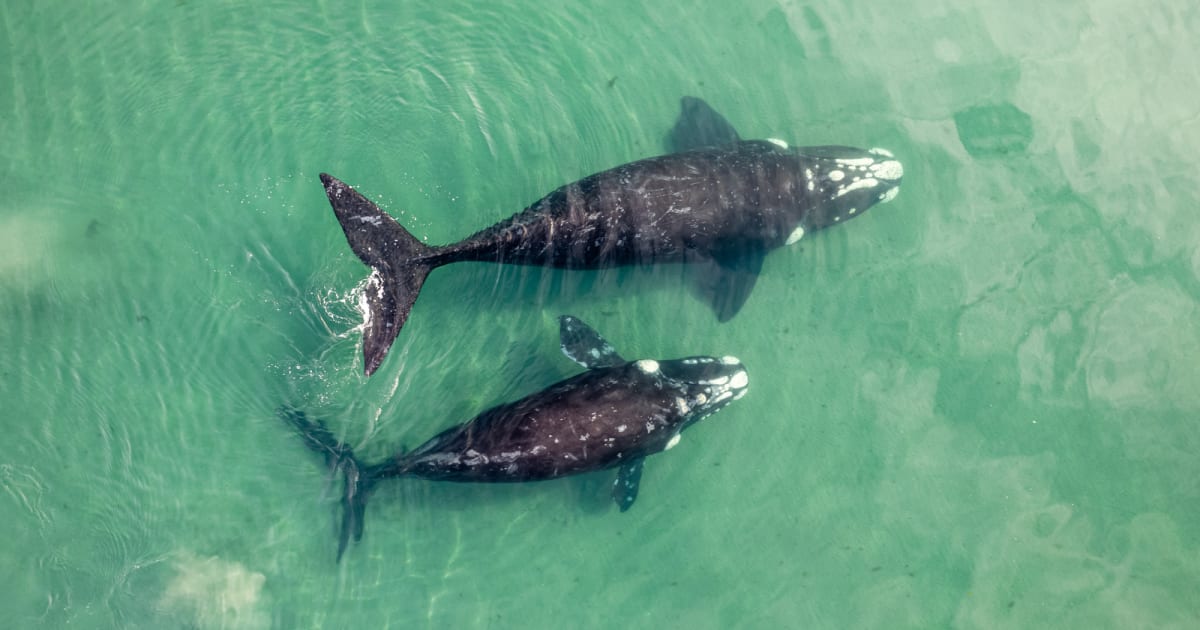
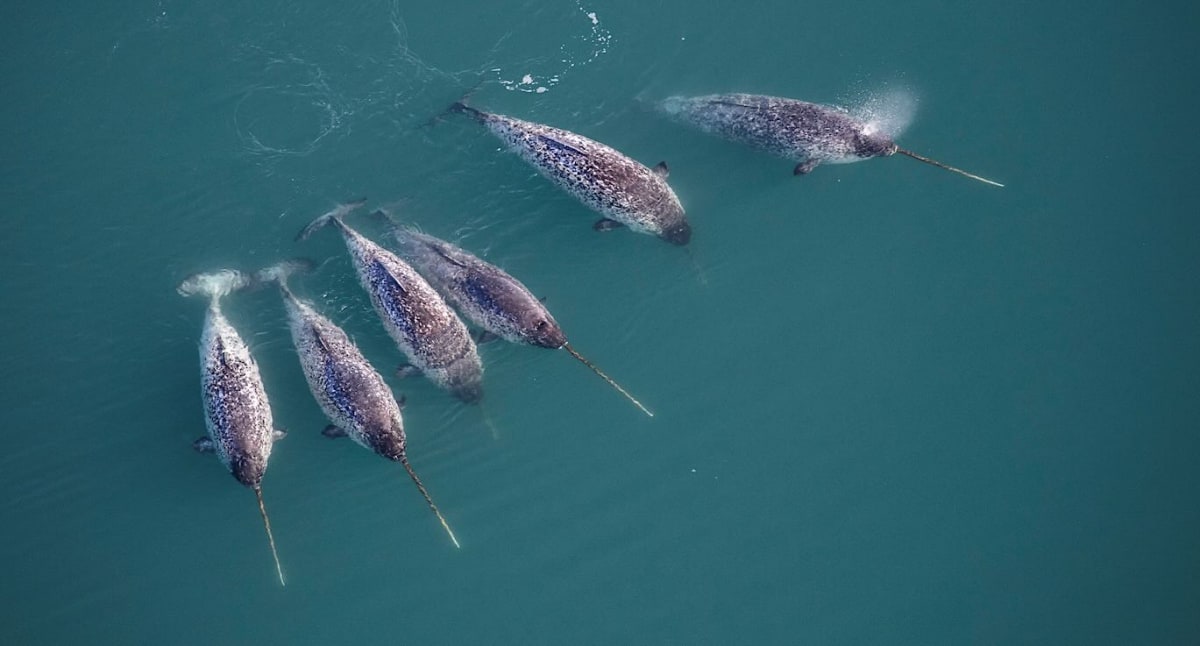
Anisakids travel through an intricate web of ocean life. Krill eat their eggs, salmon eat the krill, and marine mammals eat the salmon. The worms can only complete their life cycle inside healthy whales, seals, and sea lions, which release new eggs back into the water.
When Mastick and Wood examined 178 cans of four salmon species caught between 1979 and 2021, they discovered worm numbers had increased in pink and chum salmon over the decades. This wasn't bad news. It was evidence of recovery.
"Seeing their numbers rise over time indicates that these parasites were able to find all the right hosts and reproduce," Mastick explained. "That could indicate a stable or recovering ecosystem."
The increase means Alaska's waters likely support thriving populations of marine mammals and the complex food webs they depend on. After decades of environmental pressures, the Gulf of Alaska and Bristol Bay appear to be holding strong.
The Bright Side
What started as quality control samples gathering dust became an unexpected conservation success story. The seafood industry accidentally created an ecological time capsule that would have been nearly impossible to assemble any other way.
The research opens doors for scientists worldwide who study ecosystems through the lens of parasites. Similar archives might exist in warehouses and storage rooms everywhere, waiting to reveal whether our oceans are struggling or thriving.
Wood sees the bigger picture clearly. "Everyone assumes that worms in your salmon is a sign that things have gone awry," she said. "But I see their presence as a signal that the fish on your plate came from a healthy ecosystem."
The team believes dusty old cans from other regions and time periods could fuel countless discoveries about ocean health, offering hope that we can better understand and protect marine life for generations to come.
More Images
Based on reporting by Google News - Science
This story was written by BrightWire based on verified news reports.
Spread the positivity!
Share this good news with someone who needs it