Old Tech Outsmarts Modern Hackers, Experts Find
Cybersecurity experts are discovering that outdated technology can actually be safer than the latest systems because hackers simply ignore it. From vintage phones to paper maps, "security by antiquity" is becoming a legitimate defense strategy.
When a world-renowned cybersecurity expert chooses software that's decades out of date, you might think he's lost his mind. But Mikko Hyppönen, a Finnish security specialist, stuck with obsolete Eudora email software long after everyone else moved on, and he had a brilliant reason why.
Hyppönen calls it "security by antiquity." As hackers chase the billions of users on Gmail and Hotmail, old platforms like Eudora fly completely under their radar. When only 50 people use a system, criminals looking to make money simply don't bother targeting it.
The strategy works in surprising ways. Computer scientist Matt Bishop at UC Davis accidentally proved this in the 1990s when he set up a "honeypot" to catch hackers. Using outdated software, his team caught absolutely nothing. The moment they upgraded to newer software, attacks poured in.
This isn't just about email. The Irish Aviation Authority recently decided to keep old ground-based radio beacons instead of relying entirely on modern GPS systems. Why? GPS has proven shockingly easy to jam, especially in conflict zones. Sometimes the old way is the safer way.
In Ukraine, military forces rely on paper maps and compasses alongside digital tools. You can jam a GPS signal, but you can't hack a laminated map. Experts call it "analogue resilience," and it's saving lives in modern warfare.
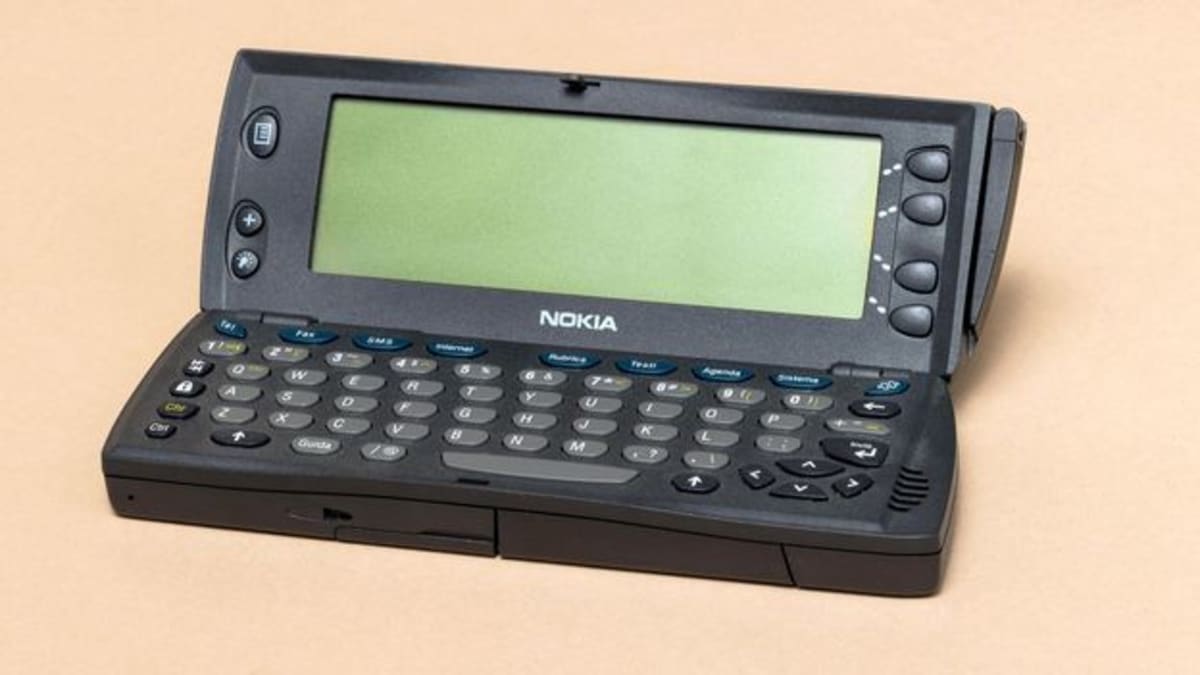
Even simple flip phones offer protection. Hyppönen knows someone still using a Nokia 9210 from 25 years ago. While the phone technically has old security vulnerabilities, nobody's writing malware for it anymore. Modern smartphones face constant, sophisticated attacks that these "dumb" phones simply sidestep.
The Bright Side
This discovery offers hope beyond just avoiding hackers. It shows that newer isn't always better, and that keeping some older systems alive can actually strengthen our overall security. Countries worldwide are now developing "resilience strategies" that blend old and new technologies together.
The principle applies to voting systems too, where many security experts still prefer paper ballots over electronic machines. The speed of digital results isn't worth the risk to democracy's foundation, Hyppönen argues. Sometimes slow and steady really does win the race.
Technology companies are taking note. Some now design systems that connect cutting-edge tools with legacy equipment, ensuring that organizations don't have to choose between innovation and security. They can have both.
The lesson is surprisingly simple: in a world obsessed with the latest upgrade, sometimes the smartest move is staying put.
More Images




Based on reporting by BBC Future
This story was written by BrightWire based on verified news reports.
Spread the positivity!
Share this good news with someone who needs it