Older Humpback Whales Now Win Breeding Battle After Recovery
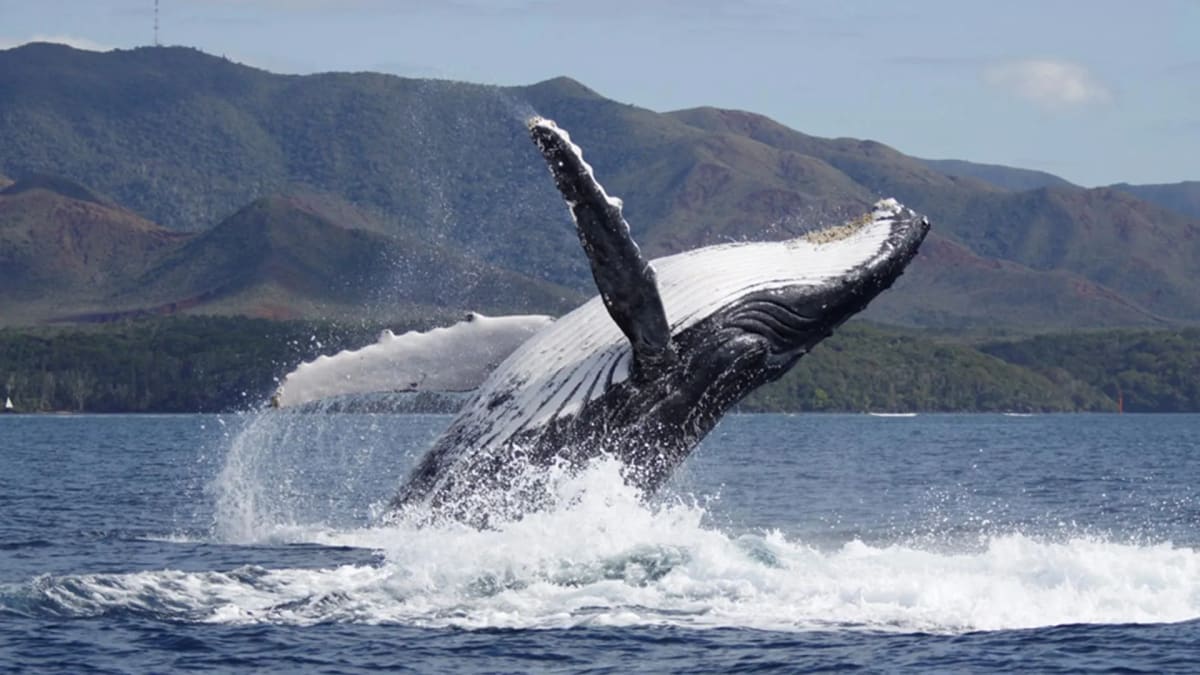
As humpback whale populations bounce back from near extinction, older males are increasingly fathering more calves than their younger rivals. Scientists say decades of experience in singing and competing give mature whales a surprising reproductive advantage.
Humpback whales are making one of nature's greatest comebacks, and researchers just discovered something unexpected about who gets to father the next generation.
A new study from the University of St Andrews shows that as whale populations recover from centuries of commercial whaling, older males are winning the race to reproduce. Using 20 years of data from whales in the South Pacific near New Caledonia, scientists found that mature males increasingly outcompete younger whales when it comes to fathering calves.
The shift reveals just how deeply whaling changed these magnificent creatures. When populations were still small and recovering, breeding groups consisted mostly of younger males. But as numbers grew and more older whales returned, the experienced males took charge.
Scientists used genetic testing to solve a mystery that had long puzzled researchers: humpback whales have never been directly observed mating in the wild. By collecting small skin samples, the team could determine paternity and even estimate each whale's age using an epigenetic molecular clock.
The results showed that older males are more successful at singing, escorting females, and fathering calves. Male humpbacks produce some of the most elaborate songs in the animal kingdom, with powerful vocal performances that carry across vast stretches of ocean. They also compete directly with rivals in intense physical encounters.
Dr. Ellen Garland from the Sea Mammal Research Unit explained that experience matters. Older whales have spent years perfecting their songs and competitive strategies, giving them a clear advantage when females become more selective in larger, healthier populations.
The Ripple Effect
The findings reveal something profound about conservation. Most whale research has studied populations already devastated by whaling, meaning scientists have been working from a shifted baseline rather than observing natural behavior.
Lead author Dr. Franca Eichenberger emphasized that whaling's impacts extend far beyond population numbers. The legacy continues to shape behavior, competition, and reproduction even decades after hunting stopped.
As populations continue their remarkable recovery, researchers are finally getting to observe more natural whale dynamics. The study shows why long term monitoring matters so much. Every year brings new insights into how these intelligent animals live, compete, and thrive.
The comeback of humpback whales offers hope for ocean conservation worldwide. These gentle giants survived the brink of extinction and are now thriving enough that scientists can study their complex social structures and mating strategies in ways never before possible.
Now is the perfect time to learn about whale behavior and life history as populations reach levels not seen in over a century.
Based on reporting by Science Daily
This story was written by BrightWire based on verified news reports.
Spread the positivity!
Share this good news with someone who needs it