
Olympic Bobsledders Get AI-Powered Boost at 2026 Games
Athletes at the 2026 Winter Olympics are using custom 3D-printed footwear and AI analysis to shave crucial milliseconds off bobsled runs. Innovation is making one of the fastest sports on ice even more thrilling.
Imagine hurtling down an icy track at 90 mph while experiencing forces five times stronger than gravity. That's Olympic bobsledding, and thanks to brilliant engineering, athletes are pushing the limits of what seemed humanly possible.
At the 2026 Milano Cortina Winter Games, bobsledders are racing with technology that sounds straight out of science fiction. Teams from Germany and the United States are leading the charge with innovations designed to perfect every phase of the race.
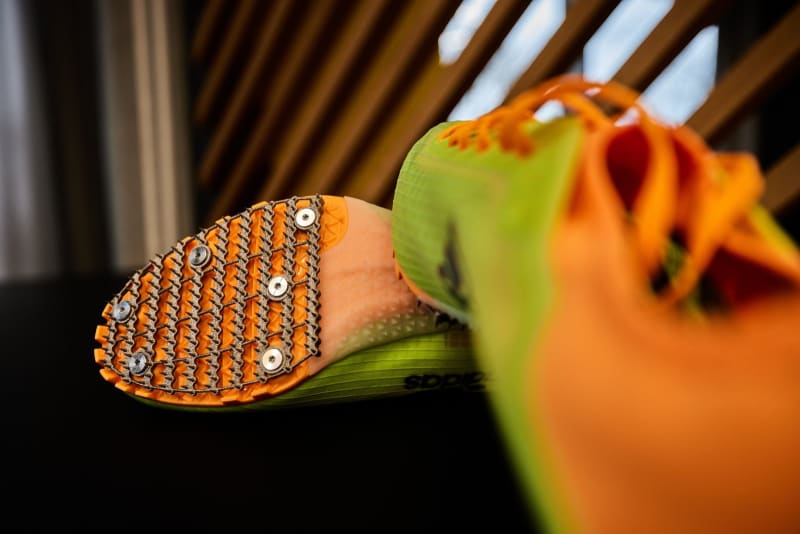
Germany's team partnered with BMW to create custom-studded shoes using 3D printing technology. Each spike plate is tailored to individual athletes and their specific needs during the crucial first 30 to 50 meters when they push the sled to maximum speed.
The spikes undergo a special hardening process called plasma nitriding to prevent wear and breakage. This attention to detail matters because those opening seconds often determine who wins and who goes home empty-handed.
Meanwhile, American bobsledders are getting an extra spring in their step with dynamic insoles from VKTRY Gear. Unlike traditional insoles that simply cushion your foot, these engineered insoles return energy with each push, helping athletes optimize their explosive power.
Kaillie Humphries, who won gold in monobob at the 2022 Beijing Games, credits the insoles with providing the stiffness and energy return needed during the intense push phase. Every advantage counts when races are decided by hundredths of a second.
The Ripple Effect
The real game changer is how AI is helping teams learn and improve. The US federation partnered with Snowflake to analyze mountains of data, identifying which athlete pairings work best together and spotting inefficiencies when team members jump into the sled after pushing.
Germany's Data Coach system uses sensors on sleds to map the perfect trajectory through each curve on the track. Engineers and athletes can review the data together, making adjustments that were impossible to spot with the naked eye.
These innovations aren't just about winning medals. The technology developed for bobsledding often finds its way into everyday athletic gear, helping weekend warriors and student athletes perform better and stay safer.
Carbon fiber replaced steel in bobsled construction years ago, making sleds lighter and stronger. Today's custom footwear and AI analysis could become tomorrow's standard equipment for track and field athletes or anyone who needs explosive power and precision.
The sport has come a long way since wooden bobsleds debuted at the 1924 Chamonix Games. Women didn't compete in two-person bobsledding until 2002, and monobob only arrived in 2022, but the pace of innovation keeps accelerating.
As athletes prepare to race down the new Cortina Sliding Centre, they're not just competing against each other but pushing the boundaries of human performance with every perfectly engineered spike and data-driven adjustment.
More Images



Based on reporting by Wired
This story was written by BrightWire based on verified news reports.
Spread the positivity!
Share this good news with someone who needs it