Olympic Cauldron Now Performs Like an Athlete at Milan Games
For the first time in Olympic history, two cauldrons are putting on hourly shows at the 2026 Milan Cortina Winter Games. These moving, light-emitting sculptures mark the evolution of the Olympic flame from a simple bowl to dynamic performance art.
The Olympic cauldron just got an upgrade that would make Leonardo da Vinci proud.
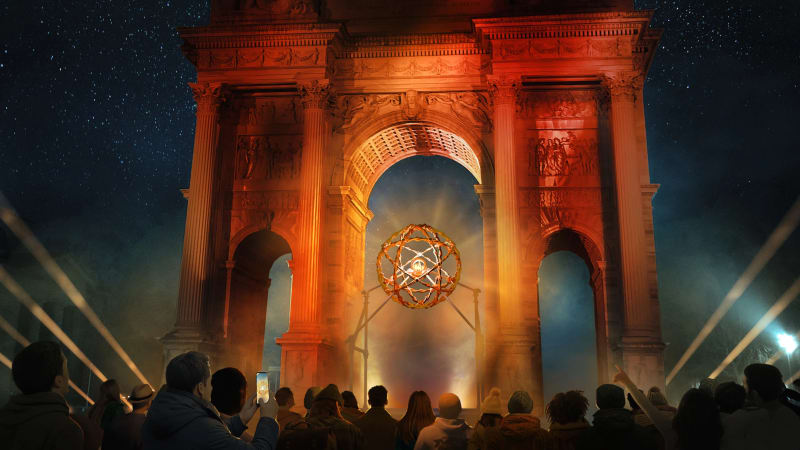
At the 2026 Milan Cortina Winter Olympics, two cauldrons inspired by da Vinci's geometric drawings are lighting up the Games in ways never seen before. They expand and contract, respond to music, emit their own light, and one performs hourly shows for spectators throughout the competition.
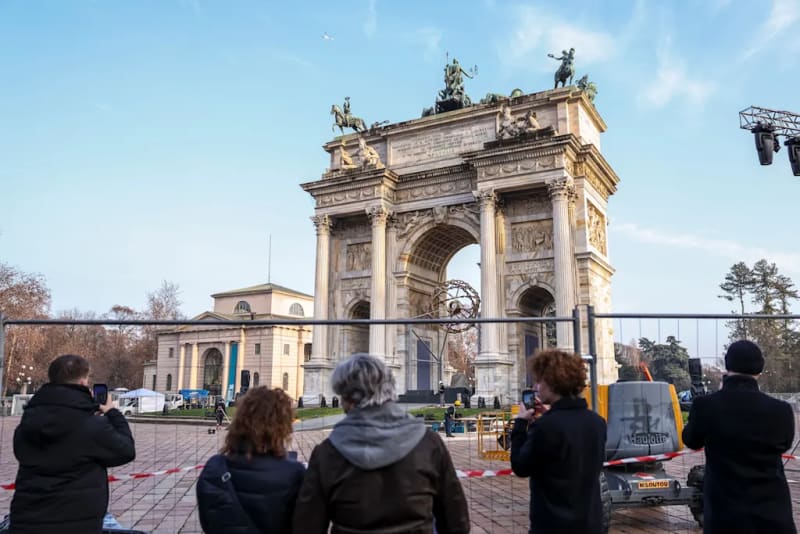
It's the first time in Olympic history that two cauldrons burn simultaneously at different locations. One sits at Milan's iconic Arco della Pace (Arch of Peace), where crowds have already gathered to watch its mesmerizing movements.
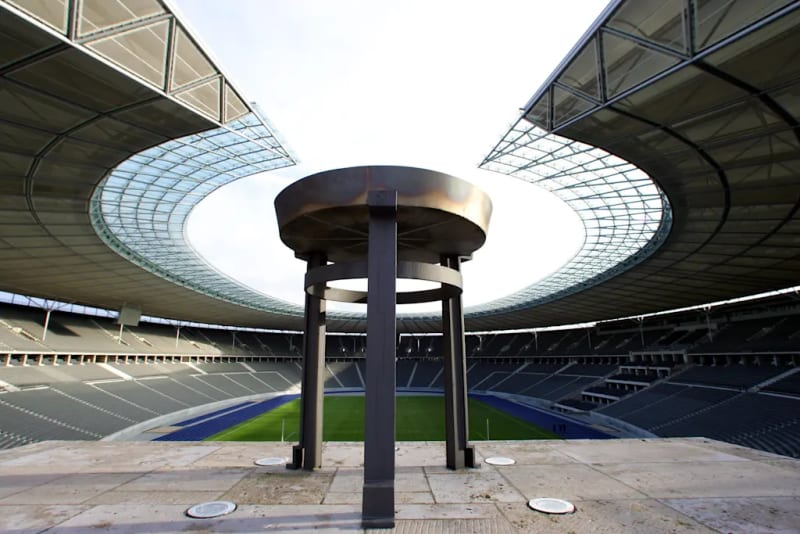
The transformation didn't happen overnight. When the Olympic torch relay began in Berlin in 1936, the cauldron was just a simple bowl on three legs. For decades, the design barely changed, serving as a quiet symbol that burned from opening to closing ceremony.
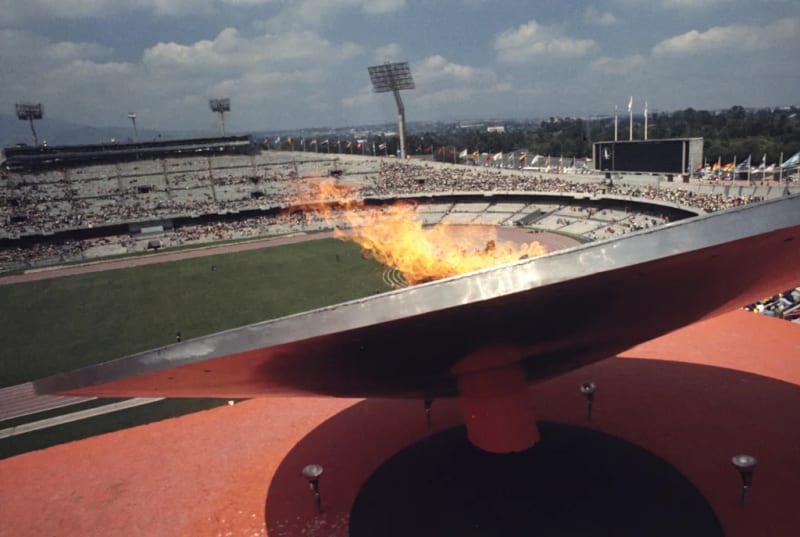
But around 1968, designers started thinking bigger. That year's Mexico City Games featured a giant circular chalice, created by a woman for the first time. Since then, each host city has pushed creative boundaries further.
The 1996 Atlanta Olympics showcased a 6.4-meter scroll. Vancouver's 2010 Games displayed a multi-shard monument. London's 2012 cauldron bloomed with petal-inspired flames that formed a chorus of light.
Marco Balich, who holds a record 16 Olympic ceremony credits and designed this year's cauldrons, has witnessed the shift firsthand. "In the last editions of the games, more and more of the main focus has been on who is going to light the cauldron, its design, and what it means," he explains.
The 2016 Rio Games marked a turning point when Balich coordinated a kinetic "sun" sculpture by artist Anthony Howe. Powered by wind, its tentacles fluttered and reflected the cauldron's flame in a spectacular display of movement and light.
Why This Inspires
The cauldron's evolution mirrors something deeper about human creativity. What started as a functional vessel to hold fire has become a canvas for innovation, proving that even century-old traditions can grow and adapt while keeping their meaning intact.
These dancing flames show us that honoring the past doesn't mean staying still—it means finding new ways to make ancient symbols speak to modern hearts.
More Images

Based on reporting by Fast Company
This story was written by BrightWire based on verified news reports.
Spread the positivity!
Share this good news with someone who needs it