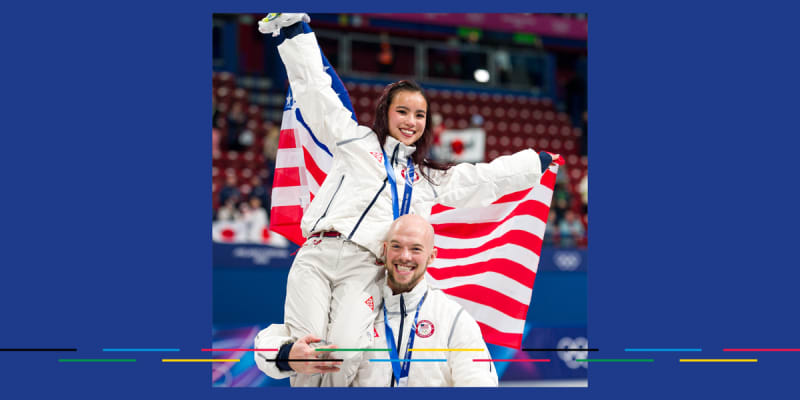
Olympic Skaters Win Gold Despite Opposite Personalities
Figure skaters Ellie Kam and Danny O'Shea couldn't be more different—she needs sleep until noon, he chases sunrises—yet they just won Olympic gold together. Their secret weapon? A coach who acts as their "couples therapist" and knows exactly when to shake up espresso martinis at the rink.
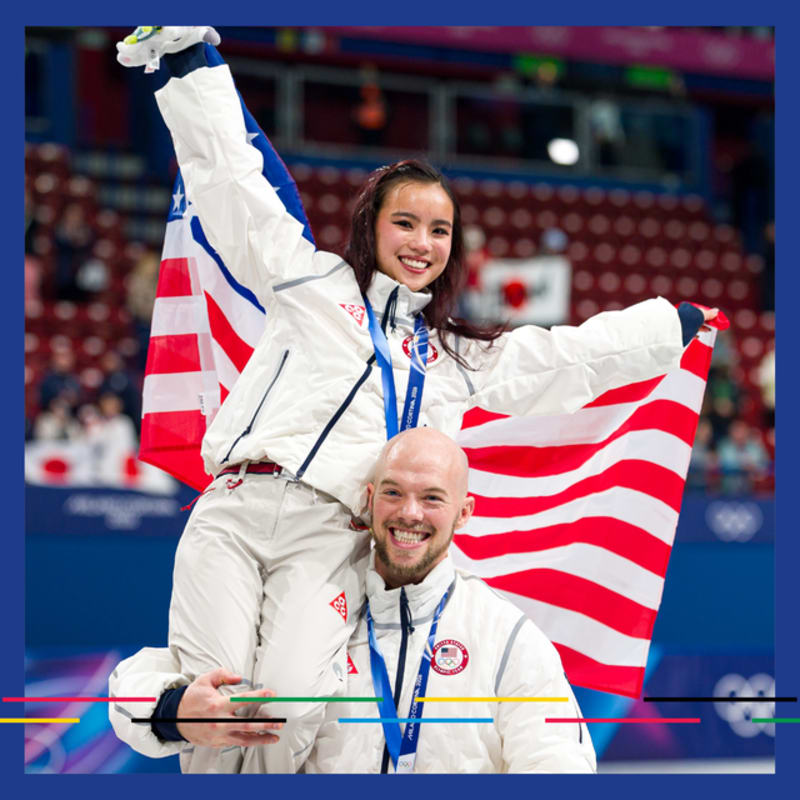
When pairs figure skaters take the ice, they move as one person. Off the ice, Olympic gold medalists Ellie Kam and Danny O'Shea prove that opposites don't just attract—they win.
Kam, 21, would sleep until noon if she could. O'Shea, 35, greets every sunrise with a smile and a hike.
"Danny comes in with this big smile every day, and I'm like, 'Wait, I need a second. Please turn the sun off,'" Kam told Women's Health on Monday. O'Shea laughed, explaining how he's learned to give her space: "She'll just wave at me from afar and be like, 'I am here. Hello.'"
Their coach, Drew Meekins, calls himself their "couples therapist." The dynamic between a Gen Z and millennial skater requires constant navigation, and he's learned to translate between their totally different communication styles.
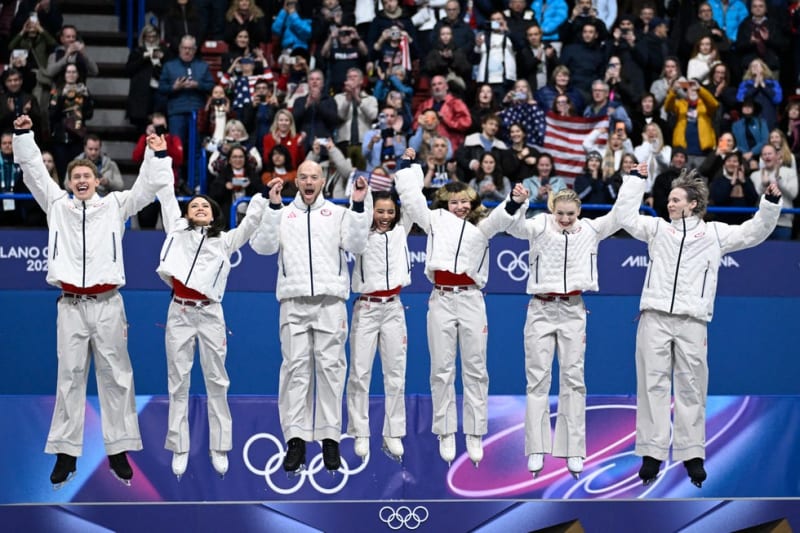
The journey to Milan Cortina wasn't smooth. Both skaters battled back-to-back injuries that kept them from competing until just months before the Games. After a fall during the short program in the team competition, they needed a perfect performance to secure gold for Team USA on Sunday night.
They delivered.
Why This Inspires
Meekins discovered that the secret to managing high-pressure partnerships isn't just drilling routines. After major competitions, he takes Kam and O'Shea to a coffee shop for three or four hours to debrief everything—what worked, what didn't, and how it made them feel.
At one particularly tense moment before the Olympics, Meekins brought a cocktail shaker, martini glasses, Starbucks coffee, and smooth jazz to the rink. He lit a candle and was casually shaking an espresso martini when the skaters walked in.
"Sometimes you've got to kill the cool," Meekins explained. "You don't have to walk into the rink with your shoulders up to your ears every day."
Both skaters credit therapy and sports psychology for their success, working through issues individually and together. Kam admits she had to mature significantly when starting the partnership.
"Learning about myself has helped this partnership tremendously," she said. "I can be my own person and stand on my own two feet, and then he's standing there on his own two feet, and then we can both take steps together."
Pairs skating requires ultimate trust—Kam suffered a major concussion in July when she fell on her head during a lift. When miscommunications happen off the ice, they've learned one essential skill.
"Be forgiving to each other," Kam offers. O'Shea immediately agrees: "That's an amazing way to say it."
On Monday, the trio celebrated their team gold, and on Tuesday they planned another debrief to prepare for individual competition—proof that champions aren't born matching, they're built through coffee shop conversations and the occasional espresso martini surprise.
More Images


Based on reporting by Womens Health
This story was written by BrightWire based on verified news reports.
Spread the positivity!
Share this good news with someone who needs it