Olympic Skier Lindsey Vonn Competes Days After ACL Tear
At 41, Lindsey Vonn plans to compete in the 2026 Winter Olympics just days after tearing her ACL, following a groundbreaking partial knee replacement that brought her back from retirement. Her journey showcases how medical innovation and determination are redefining what's possible in elite sports.
Lindsey Vonn refuses to let injuries write the end of her Olympic story.
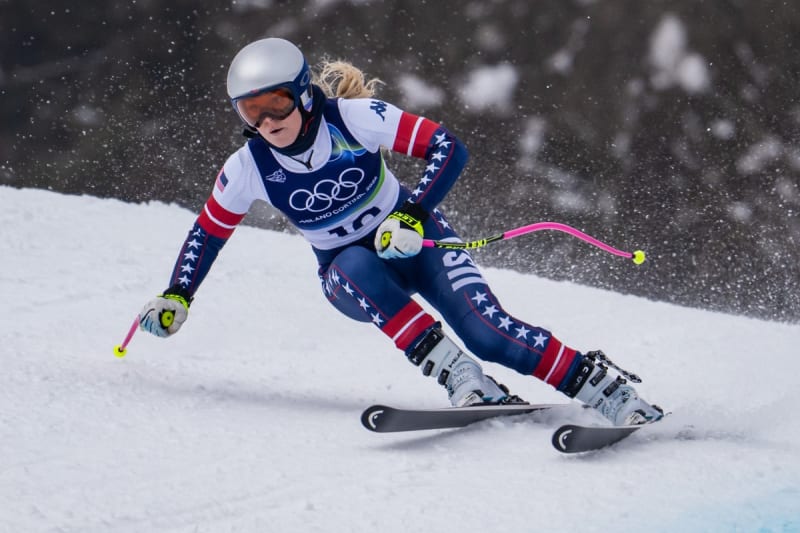
The 41-year-old skiing legend tore her ACL during a race on January 30, just days before the Milano Cortina Winter Olympics. Most athletes would head home. Vonn plans to compete anyway, wearing a knee brace and carrying an Olympic dream she's not ready to abandon.
Her comeback story started two years ago. After retiring in 2019 due to chronic knee pain, Vonn couldn't walk without limping or even straighten her right knee. In 2024, she underwent robotic surgery for a partial knee replacement, swapping damaged cartilage and bone for a titanium implant.
The procedure changed everything. Within two months, she was wakeboarding. Soon after, she returned to competitive skiing, reaching speeds above 80 miles per hour down icy mountain slopes.
Partial knee replacements differ from total replacements by preserving healthy ligaments while replacing only damaged sections. Using a MAKO surgical robot, her surgeon created a detailed scan of her knee, removed the worn parts through minimally invasive surgery, and installed the implant. The result gave Vonn back her mobility and her sport.
Downhill skiing punishes the body like few other sports. At elite speeds, the knees absorb tremendous force with every turn and landing. When skiers lose their center of balance, shearing forces can tear ligaments and damage cartilage. Years of this wear and tear had left Vonn's knees struggling.
Her latest injury happened during what skiers call a "recovery," when sharp ski edges grab ice unexpectedly while a skier fights to regain balance. The twisting motion creates intense pressure on the knee, the most common way ACL tears occur in skiing.
Why This Inspires
Vonn's story matters beyond sports. She's proving that modern medicine can extend athletic careers once thought finished. Her partial knee replacement represents a new frontier for athletes facing joint damage, offering hope that career-ending injuries might become career-pausing ones instead.
Female athletes face ACL tears more frequently than men due to anatomical differences, making Vonn's persistence particularly meaningful for young women in sports. She's showing them that bodies can heal, adapt, and compete at the highest levels even after serious damage.
Her mental strength impresses medical experts as much as her physical recovery. Skiing downhill at 80 miles per hour requires trusting your body completely. Doing it on a replaced knee and a torn ACL requires something beyond trust, something closer to defiance.
Whether Vonn medals in Milano Cortina matters less than what she's already accomplished: showing that determination plus innovation can rewrite the rules about age, injury, and second chances.
More Images




Based on reporting by Scientific American
This story was written by BrightWire based on verified news reports.
Spread the positivity!
Share this good news with someone who needs it