Olympic Star's Heart Stopped, Community Heroes Saved Her
When Olympic medalist Jenny Simpson collapsed at a community running event, a perfect storm of trained helpers and life-saving equipment turned tragedy into triumph. The woman who once ran a mile in under four minutes is alive today because the right people were in the right place.
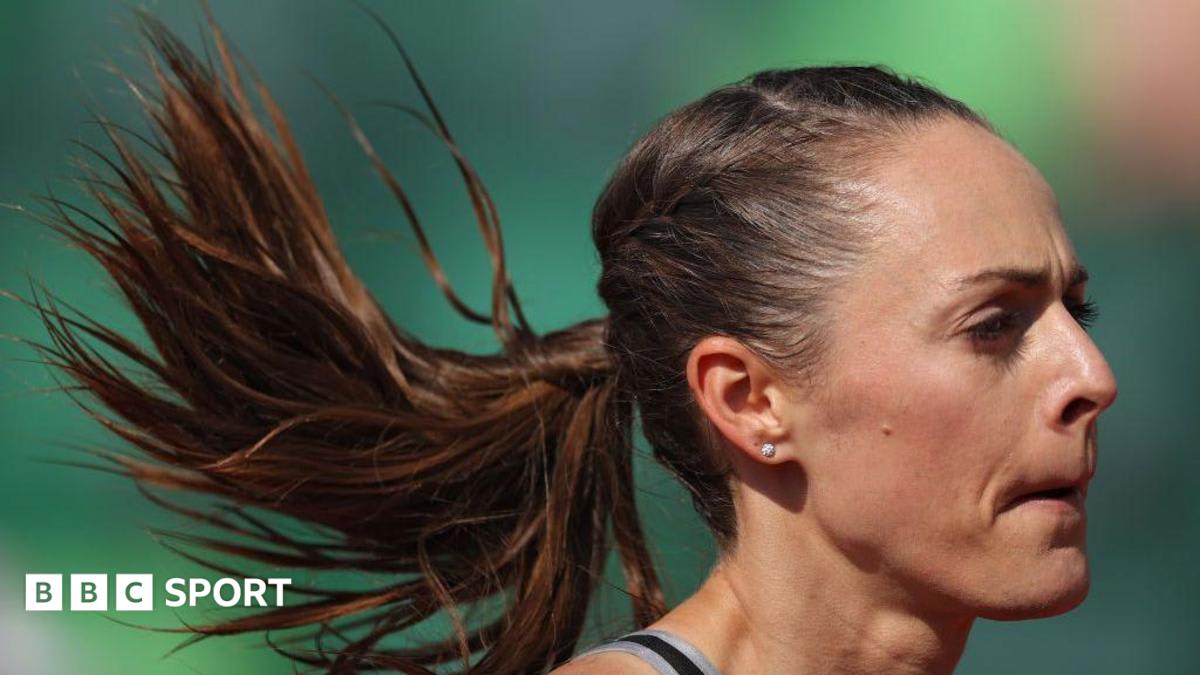
Olympic bronze medalist Jenny Simpson's heart stopped beating on an ordinary Tuesday in June, but she doesn't remember it. What she does know is that a remarkable chain of events saved her life.
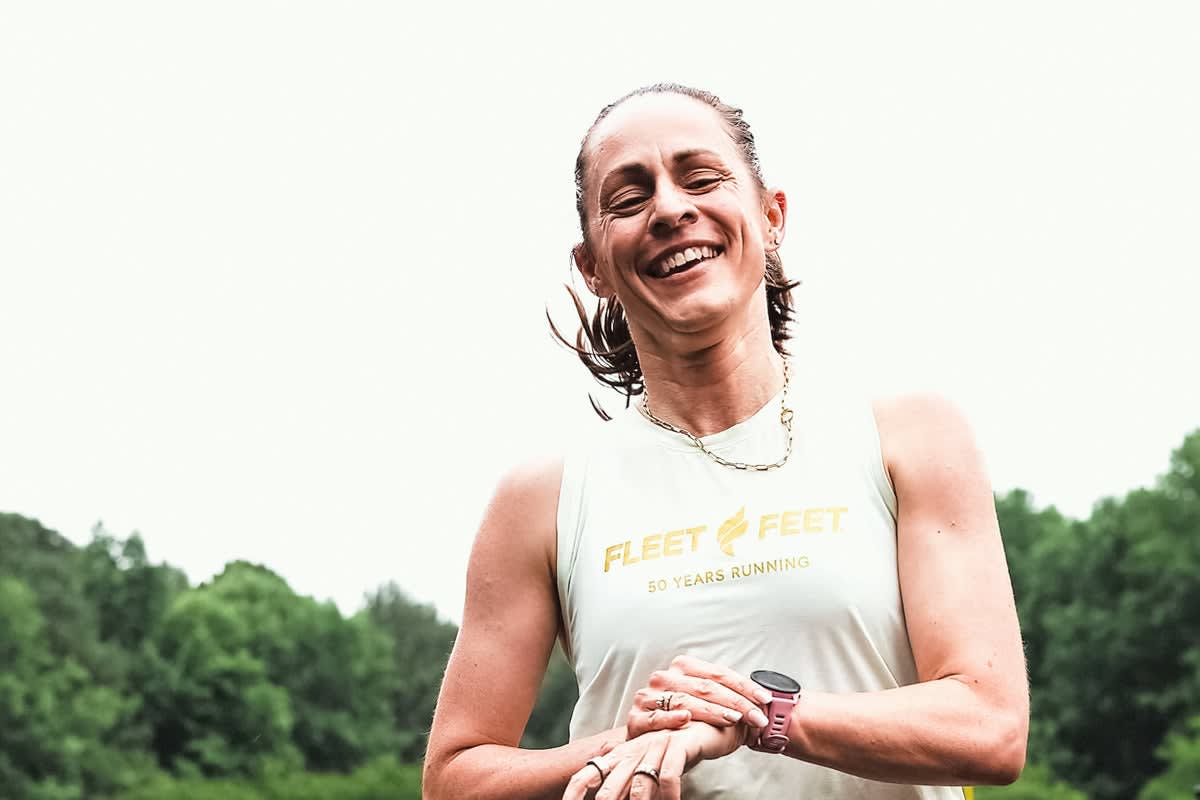
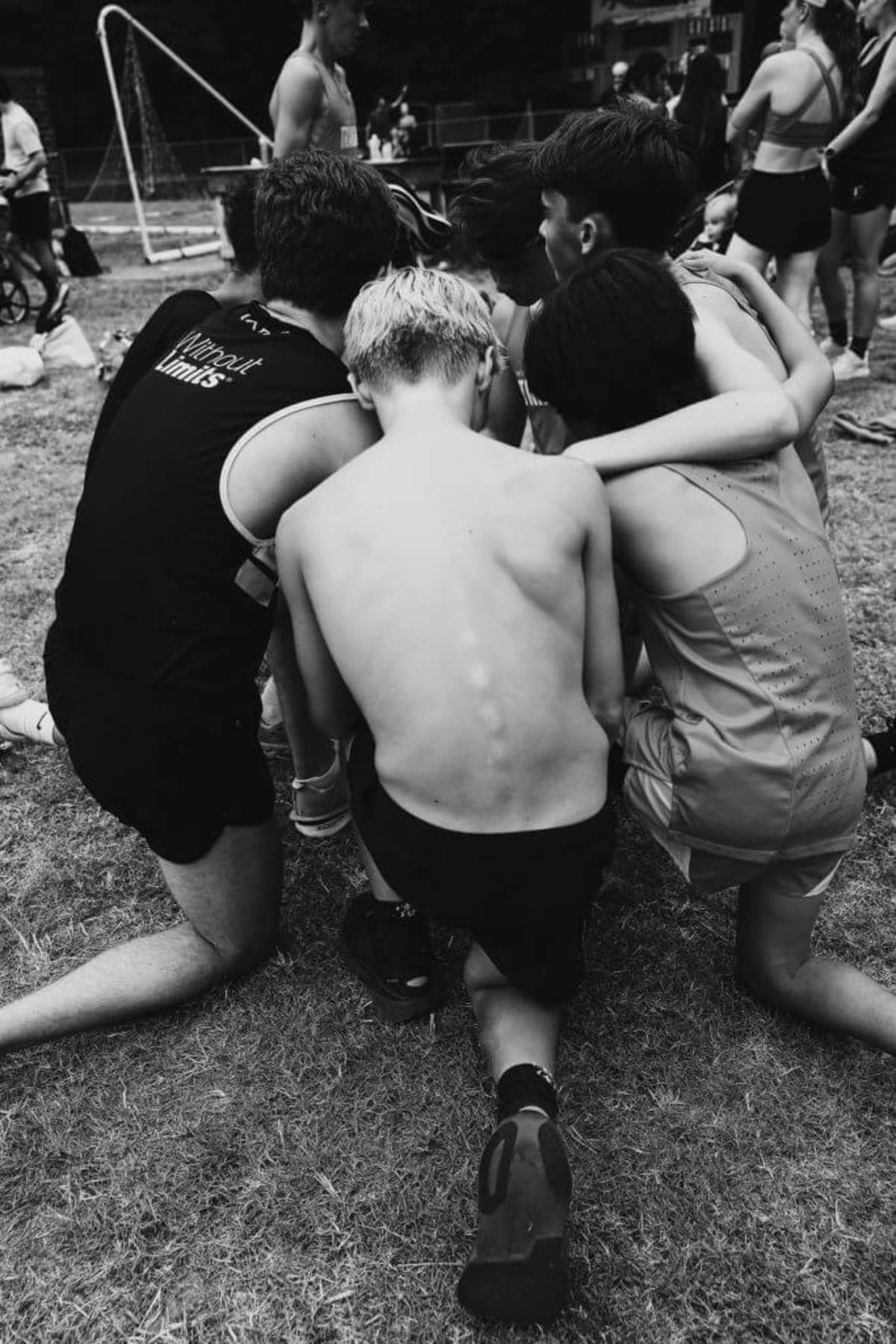
The 40-year-old track legend was pacing a group of eighth-grade girls through a mile run at a community event in Raleigh, North Carolina. She'd just helped them hit their goal time of 5 minutes, 29 seconds when she told someone on the field she didn't feel well.
Moments later, Simpson collapsed in cardiac arrest. Her heart had simply stopped.
But Simpson had fallen in perhaps the luckiest place possible. In the stands that evening sat ICU physicians, physician assistants, and emergency care workers who rushed to help.
Among them was Dr. Ivy Pointer, a pediatric ICU physician who had convinced Simpson to run with the girls just an hour earlier. Dr. Pointer immediately started CPR, alternating with other trained bystanders.
Her husband Joey Pointer, CEO of Fleet Feet where Simpson works as chief running officer, screamed for an automated external defibrillator. Then he realized something extraordinary: his 15-year-old son's track team had one in their coach's truck, and they happened to be at the event.
The Pointers had bought the AED for their son Liam's team just in case. Liam was born with a heart condition and was scheduled for open-heart surgery later that week.
Joey and the coach sprinted to the truck and brought the device back. The crowd of 200 people watched as the medical team worked to restart Simpson's heart.
Why This Inspires
Simpson had built an incredible athletic career, becoming the only woman to ever break four minutes in the 1,500 meters during NCAA season. That record still stands 17 years later. She won three national steeplechase championships and stood on the Olympic podium in Rio.
But her most important race wasn't on a track. It was the one the community ran to save her life.
The odds of surviving cardiac arrest outside a hospital are typically low. Simpson survived because trained people acted fast, someone had thought to buy safety equipment for a teenager's track team, and that team happened to be there when crisis struck.
Simpson is recovering and sharing her story, reminding us that preparedness and community care can change everything. The same woman who once paced young runners to their personal records now owes her life to a community that refused to let her go.
More Images


Based on reporting by Google News - Olympic Medal
This story was written by BrightWire based on verified news reports.
Spread the positivity!
Share this good news with someone who needs it