Oman Rocks Store 1 Billion Tons of CO₂ Naturally
Scientists studying ancient rocks in Oman have discovered how Earth naturally locks away massive amounts of carbon dioxide for millions of years. The findings could reveal a hidden solution to understanding our planet's carbon cycle.
Deep beneath Earth's surface, our planet has been quietly storing billions of tons of carbon dioxide in a way scientists are only now beginning to understand.
A research team led by Dr. Elliot Carter from Keele University just unlocked the secret of how mysterious rock formations in Oman trap CO₂. One mountain there has naturally stored over 1 billion tons of the greenhouse gas.
The breakthrough centers on subduction zones, places where one of Earth's tectonic plates slides beneath another. These zones ring the Pacific Ocean today and play a starring role in our planet's carbon story.
When plates collide, the sinking plate carries CO₂ trapped in ocean sediments deep underground. Scientists have long debated where that carbon goes. Some gets stored deep in Earth, while volcanoes release some back into the atmosphere.
But Dr. Carter's team found evidence of a third path. Their research shows that CO₂-rich fluids react with rocks underground, forming carbonate minerals that lock carbon away for millions of years. This creates what scientists call a "hidden carbon sink."
The challenge is that these reactions happen tens of kilometers underground, making them nearly impossible to observe. Fortunately, some of these rocks have been pushed to Earth's surface in formations called ophiolites.
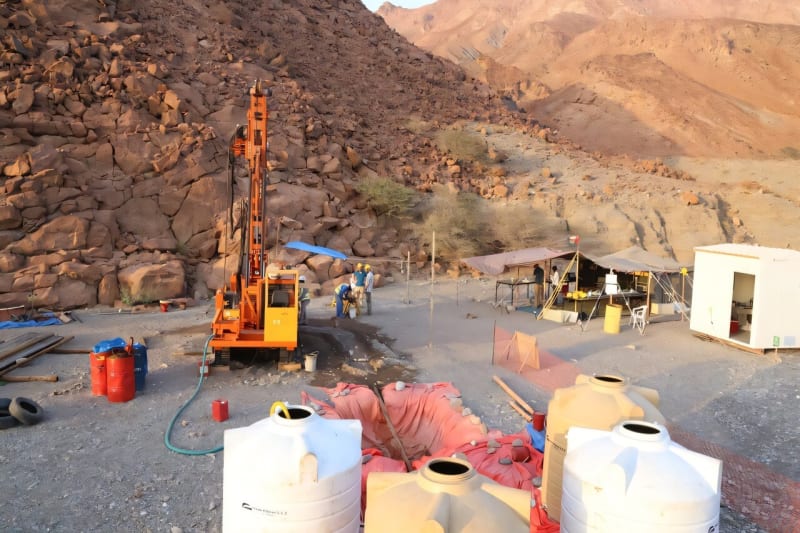
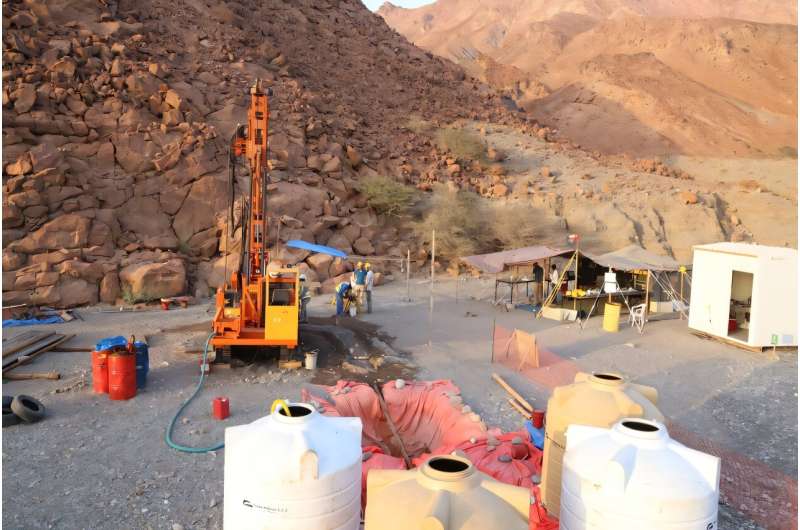
The team studied the Semail Ophiolite in Oman, one of the world's largest. They analyzed chemicals like chlorine, bromine, and iodine trapped in individual mineral grains. These chemicals act like fingerprints, revealing how the rocks formed.
Their findings, published in Nature Communications, showed two separate events where CO₂ reacted with the rocks. Most importantly, the chemical signatures matched fluids typically found in subduction zones.
The numbers are striking. The researchers calculated that over 90 percent of CO₂ in a sinking plate could be channeled along the plate boundary and locked away in the shallow mantle.
The Bright Side
This discovery reveals that Earth has been running its own carbon capture system for millions of years. Understanding this natural process could help scientists develop new strategies for storing CO₂ as our climate warms.
Dr. Carter notes that these strange rocks are getting more attention as researchers look for ways to move carbon around and store it long term. By zooming into microscopic crystals, his team unlocked the story these ancient rocks have been waiting to tell.
The research confirms that formations like those in Oman play an important part in Earth's long-term carbon cycle. What seemed like mysterious geological oddities turn out to be massive natural storage systems that have been working quietly beneath our feet for eons.
Our planet's own engineering might just hold clues to our climate future.
More Images


Based on reporting by Phys.org
This story was written by BrightWire based on verified news reports.
Spread the positivity!
Share this good news with someone who needs it