Omega-3 Supplements Cut Aggression by 28% in New Study
Scientists analyzed 29 studies involving nearly 4,000 people and found that omega-3 supplements reduce aggressive behavior by up to 28%. The simple dietary addition worked across all ages and both reactive and planned aggression.
A nutrient found in fish oil capsules could help calm aggressive behavior, offering a simple tool for families, clinics, and communities struggling with violence.
Researchers at the University of Pennsylvania analyzed 29 studies involving 3,918 people and found that omega-3 fatty acid supplements reduced aggression by up to 28 percent. The effect worked consistently across different ages, genders, and types of aggressive behavior.
The trials, conducted between 1996 and 2024, lasted an average of 16 weeks. Participants ranged from children under 16 to adults between 50 and 60 years old.
What makes this finding particularly exciting is that omega-3 helped with both reactive aggression (lashing out when provoked) and proactive aggression (violence planned in advance). Scientists weren't sure the supplement could address both types until now.
Neurocriminologist Adrian Raine, who led the analysis, believes the evidence is strong enough to start using omega-3 as an aggression reducer right now. "I think the time has come to implement omega-3 supplementation to reduce aggression, irrespective of whether the setting is the community, the clinic, or the criminal justice system," he said.
The researchers think omega-3 works by reducing inflammation in the brain and keeping vital mental processes running smoothly. Previous studies have linked these fatty acids to preventing schizophrenia and improving overall brain health.
Why This Inspires
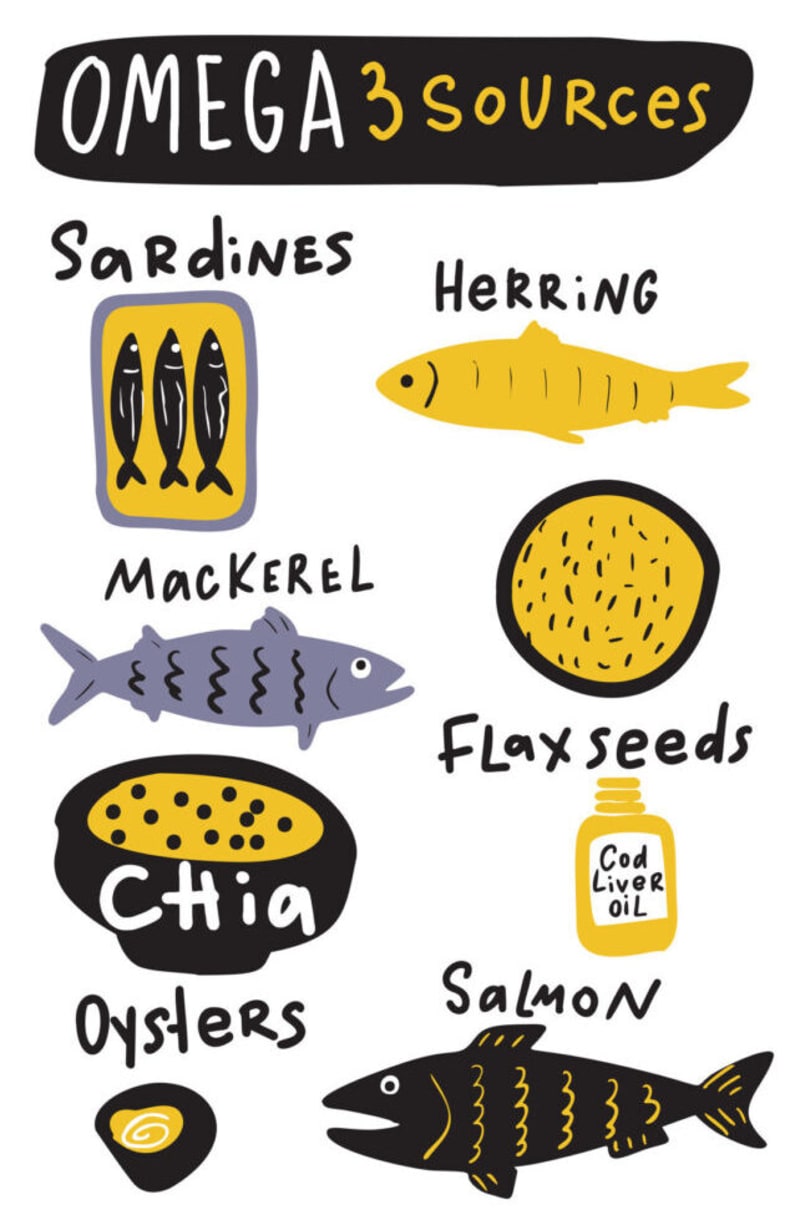
This discovery offers hope without complicated interventions or expensive treatments. Parents with aggressive children can add an extra serving or two of fish each week alongside other therapies. Schools and juvenile justice programs could incorporate supplements into their wellness programs.
The findings also add to growing evidence that omega-3 benefits go far beyond aggression. Other studies show fish oil derived medications can reduce fatal heart attacks, strokes, and other cardiovascular problems.
Raine emphasizes that omega-3 isn't a cure-all for society's violence problem. But it represents an accessible, affordable tool that could make a real difference when combined with other approaches.
The research builds on decades of evidence showing that nutrition affects brain chemistry and behavior. What we eat literally shapes how we think and act.
Longer studies will help scientists understand the full scope of omega-3's effects, but current evidence suggests meaningful benefits with minimal risk.
Sometimes the most powerful solutions come in the simplest packages.
More Images



Based on reporting by Google News - Health
This story was written by BrightWire based on verified news reports.
Spread the positivity!
Share this good news with someone who needs it