One 1,200-Km Bike Ride Changed India's Tiger Future
A wildlife conservationist's solo motorcycle journey across India to document dying vultures turned into a 20-year mission that quadrupled tiger populations and transformed poaching communities. Dr Dharmendra Khandal proves conservation works when you invest in both wildlife and people.
In 2002, Dr Dharmendra Khandal rode his motorcycle 1,200 kilometers from Mumbai to Rajasthan on a mission that would define his life. He was documenting India's vulture populations, which had crashed by 95% in just one decade.
The culprit was diclofenac, a painkiller given to livestock that poisoned vultures when they fed on carcasses. His survey became crucial evidence that helped establish Vulture Conservation and Breeding Centres across India, pulling several species back from extinction's edge.
That journey sparked something deeper. Khandal abandoned his family's construction business and joined Tiger Watch in Ranthambhore as field director, working under legendary conservationist Fateh Singh Rathore.
The challenge was immense. When Khandal arrived in 2005, Ranthambhore had just 18 tigers left. Poaching networks were organized and aggressive. Local Mogiya communities had hunted for generations, seeing few other paths forward.
Khandal took a different approach than most conservationists. Instead of viewing poachers as enemies, he saw families trapped by circumstance. Through Tiger Watch, he worked directly with Mogiya communities to expand access to education, job training, and alternative livelihoods.
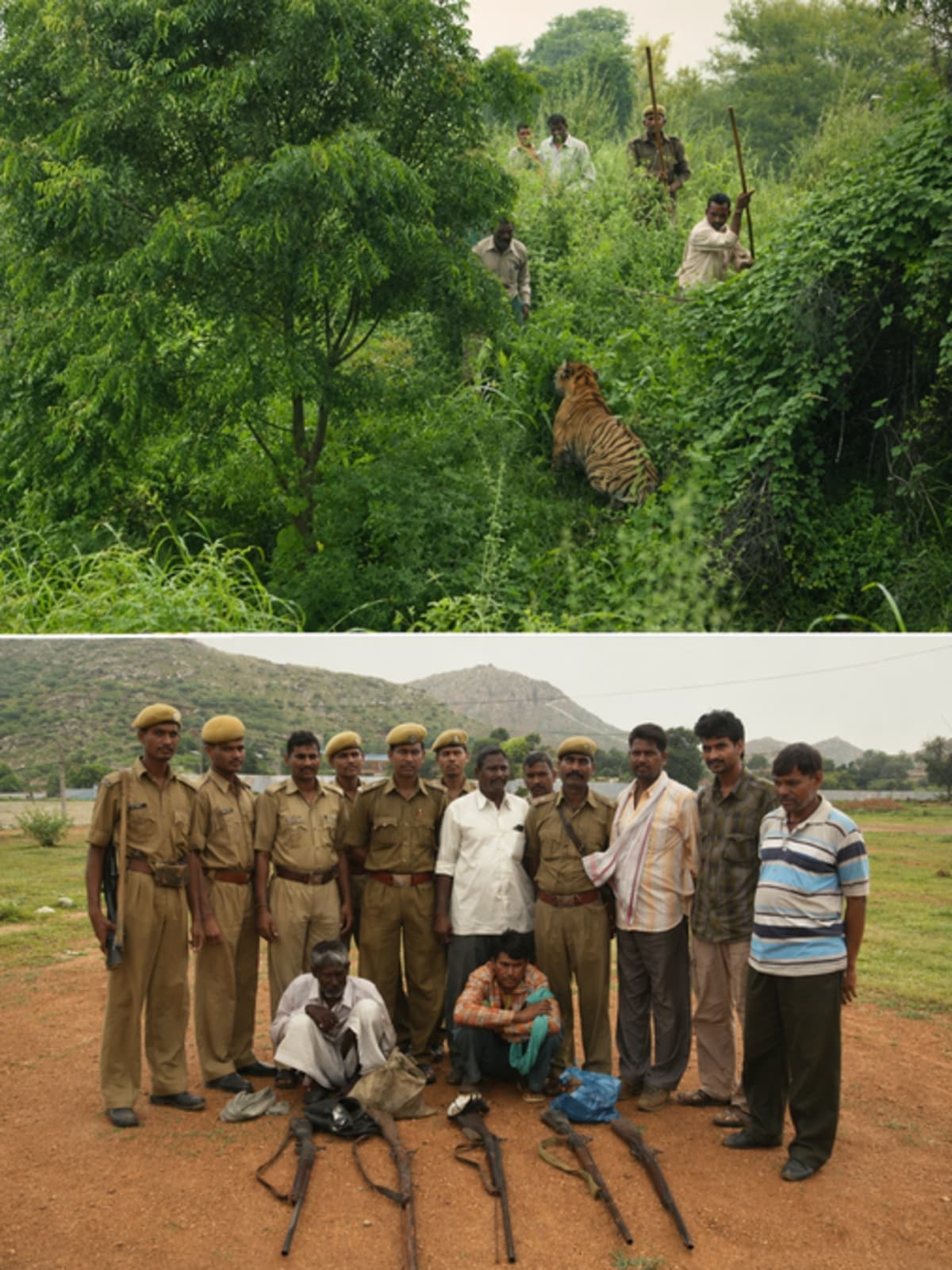
Meanwhile, he built an intelligence network that exposed wildlife trafficking operations. The effort led to multiple contraband seizures and arrests of organized poachers. But changing mindsets, not just making arrests, became his real mission.
The results speak volumes. By 2020, Ranthambhore's tiger population had grown to around 70 animals, nearly quadrupling in 15 years. Families who once hunted now help protect the reserve.
Why This Inspires
Dr Khandal's work shows that conservation isn't about choosing between wildlife and people. When communities gain real opportunities, they become conservation's strongest allies. His intelligence networks wouldn't exist without local trust. Tiger populations wouldn't thrive without community buy-in.
His impact extends beyond tigers. Khandal continues leopard studies, invasive plant research, and vulture conservation across western India. Each project connects back to the same principle: sustainable change happens when you invest in ecosystems and the humans within them.
Today, as he leads Tiger Watch at Ranthambhore, Khandal's journey from that solo motorcycle ride to transforming an entire conservation landscape proves what's possible. One person's commitment, combined with respect for local communities, can bring species back from the brink and give families new futures at the same time.
Based on reporting by The Better India
This story was written by BrightWire based on verified news reports.
Spread the positivity!
Share this good news with someone who needs it