One-on-One Chats Cut Flood Risk Better Than Warnings
Australian researchers found that personal conversations about flood safety led to real action, while traditional warnings often failed. Households made practical changes after being listened to, not lectured.
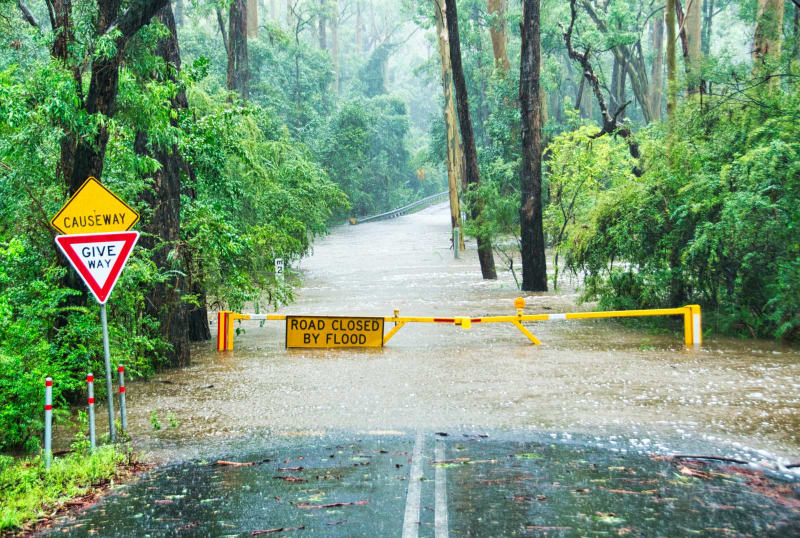
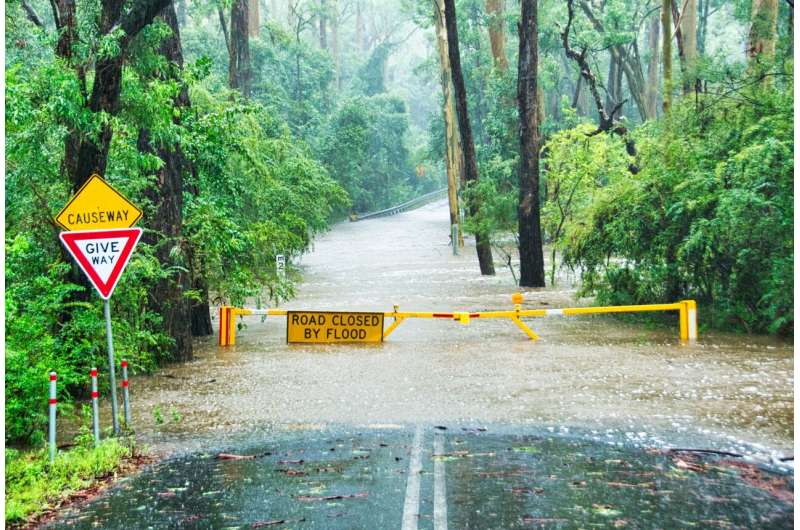
After flash floods swept cars into the sea and caught holidaymakers off guard across Australia, researchers have found what actually gets people to prepare. It's not louder warnings or scarier messages.
A groundbreaking study in Melbourne's flood-prone neighborhoods worked with 641 households using a simple but powerful approach: one-on-one conversations that really listened. Researchers sat down with families, asked about their experiences and concerns, then followed up months later to see what changed.
The results surprised even the experts. People made real, practical changes to reduce their risk, but not because they were told what to do.
One participant explained how seeing personalized flood maps changed everything. "I looked at the map and where we live, and I think I saw that the risk of flooding was worse than I thought it was," they said.
Others started small but meaningful. One household began assembling an emergency box, saying they now knew "what to grab and run for my life." Neighbors exchanged phone numbers to watch out for each other during storms.
The conversations sparked action beyond individual homes too. One resident realized clearing leaves from driveways needed to become "a council issue rather than an individual owner's issue" to prevent drain blockages. Another convinced their building's body corporate to fix settled concrete that could let floodwater inside.
Insurance decisions changed as well. Multiple households reviewed their flood coverage after the conversations, with some increasing their protection.
The Ripple Effect
The study, published in the Journal of Hydrology, challenges decades of top-down disaster messaging that broadcasts information and expects compliance. Traditional warnings have delivered "uneven and often limited results" despite becoming increasingly sophisticated.
What worked instead was treating people as capable partners, not passive recipients. Participants described the conversations as supportive spaces where they could work through risks relevant to their actual lives and constraints.
The researchers call it Community Engagement for Disaster Risk Reduction. It prioritizes meaningful human connection over awareness campaigns.
One participant couldn't recall exact conversation details but remembered: "I certainly learned from the links you sent me in reference to the SES and the responses to various potential disasters." The follow-up materials and ongoing support mattered as much as the initial talk.
The approach takes more time than broadcasting warnings, but continuing ineffective methods may prove costlier long-term as floods intensify. When people feel heard and supported rather than instructed, they actually prepare.
The findings offer hope that disaster preparedness can become relational rather than transactional, with responsibility shared across households, neighbors, and institutions working together.
More Images


Based on reporting by Phys.org - Earth
This story was written by BrightWire based on verified news reports.
Spread the positivity!
Share this good news with someone who needs it