One Pill Cures Deadly Sleeping Sickness in Africa
A single-dose pill that cures sleeping sickness in one day just received approval, replacing treatments that once required 10 days or dangerous arsenic injections. After decades of African-led research, this breakthrough could help eliminate a disease that's killed millions.
Imagine defeating a deadly disease with just three tablets taken in one day.
That's now possible for sleeping sickness, thanks to a new treatment approved by European regulators that works in both early and advanced stages of the disease. The medicine, called acoziborole, cured up to 96% of patients after 18 months in studies conducted across the Democratic Republic of Congo and Guinea.
The approval marks a stunning turnaround for a disease that seemed nearly unstoppable two decades ago. In 1998, nearly 40,000 cases were reported, with an estimated 300,000 people suffering undiagnosed. The only treatment for advanced cases was an arsenic-based injection with serious, sometimes fatal side effects.
Today, fewer than 600 cases were reported in 2024. That's a 98% reduction since 2001.
Sleeping sickness spreads through the bite of an infected tsetse fly and is almost always fatal without treatment. Early symptoms include headaches and fever, but the parasite eventually invades the brain, causing seizures, confusion, aggression, and disturbed sleep patterns before death.
Current treatments require either 10 days of oral medication or a combination of injections and pills for advanced cases. The new single-dose therapy will be donated free to patients through the World Health Organization, making it accessible across Central and West Africa where the disease still occurs.
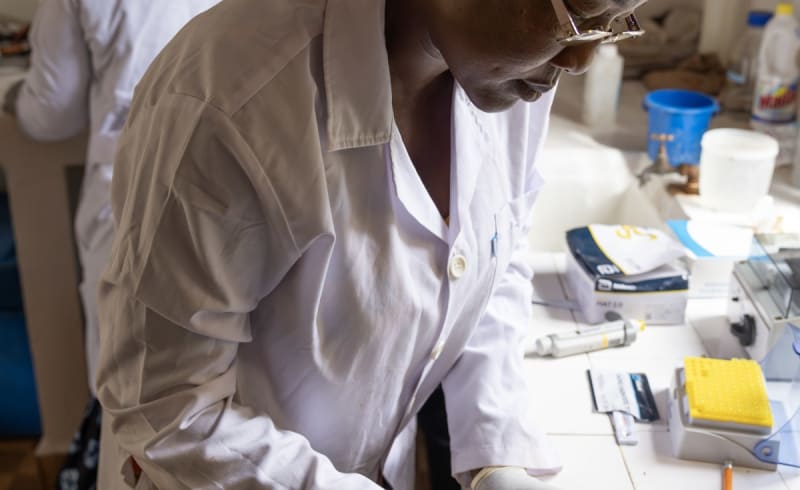
Dr. Erick Miaka, who directs the DRC's national sleeping sickness control program, called the achievement "a victory for Africa-led science." African doctors and researchers conducted the cutting-edge pharmaceutical work in some of the continent's most remote areas.
The development partnership between the Drugs for Neglected Diseases initiative and pharmaceutical company Sanofi began over 20 years ago. Their first breakthrough came in 2009 with a safer combination therapy, followed by the first oral treatment in 2018.
The Ripple Effect
This approval does more than help patients take their medicine more easily. It brings the World Health Organization's goal of eliminating sleeping sickness by 2030 within realistic reach.
The simpler treatment means healthcare workers in remote areas can deliver care more effectively. Patients no longer need to stay near clinics for extended treatments or endure painful injections. Families won't lose loved ones to a disease that once seemed invincible.
Researchers are now testing the treatment for children ages 1 to 14, which could protect the youngest and most vulnerable. Once approved in endemic countries, the medicine will be available immediately through WHO distribution networks at no cost.
A disease that killed millions across Africa over the past century is now on track to join smallpox in the history books.
Based on reporting by AllAfrica - Headlines
This story was written by BrightWire based on verified news reports.
Spread the positivity!
Share this good news with someone who needs it