One-Third of Global Cancers Can Be Prevented, Study Shows
A major global study reveals that 38% of cancer cases worldwide could be prevented through lifestyle changes and public health action. The research analyzed 36 cancer types across 185 countries and identified clear, proven ways to reduce risk.
Nearly 7 million of the 18.7 million cancer cases diagnosed in 2022 could have been prevented, according to groundbreaking research published in Nature Medicine. This means more than one in three cancers worldwide are linked to factors we already know how to change.
Researchers examined data from 185 countries, studying 36 different cancer types and 30 preventable risk factors. The findings point to clear, actionable solutions that could save millions of lives.
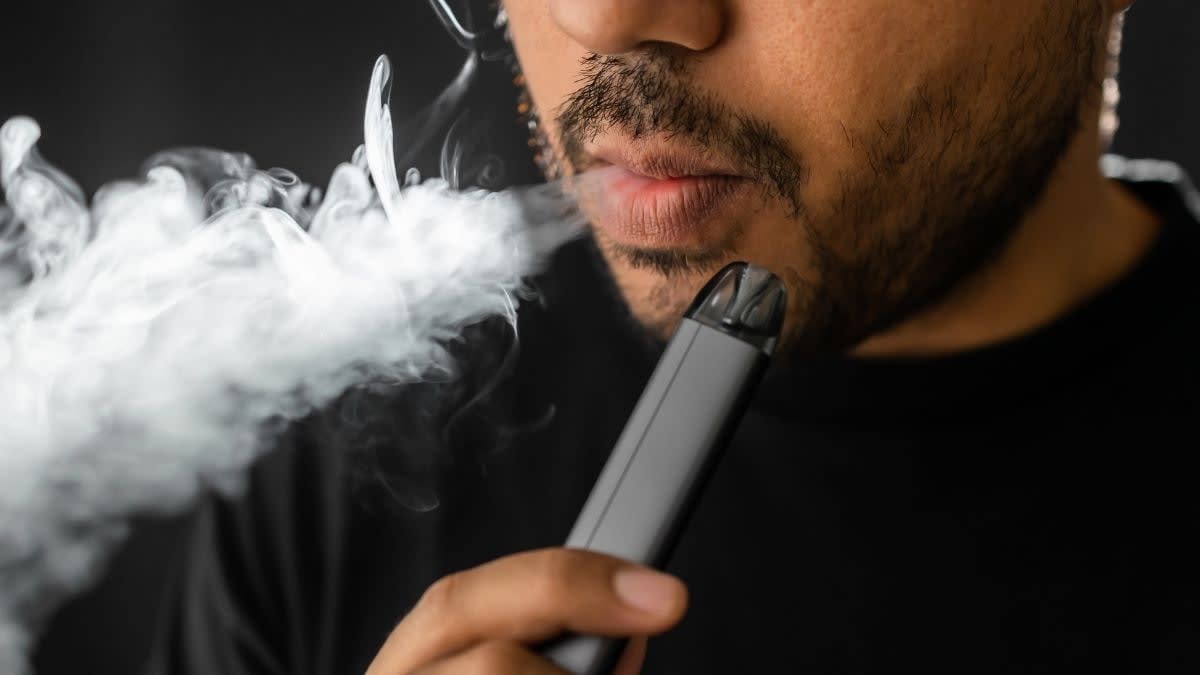
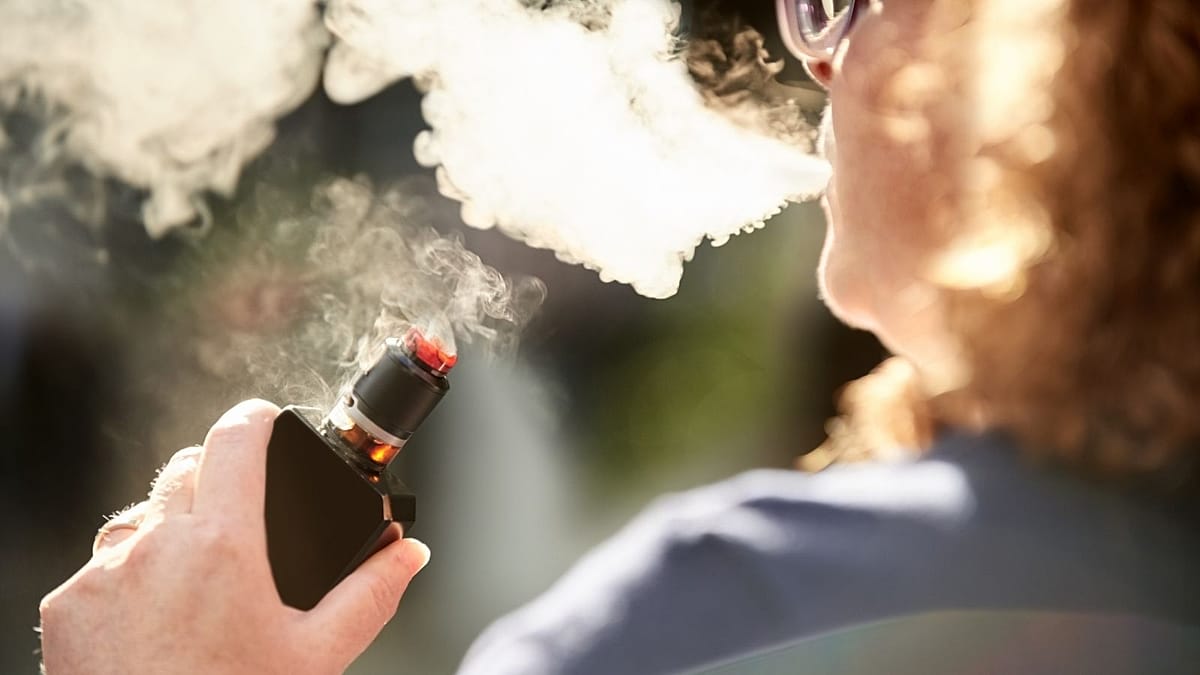
Smoking remains the single biggest culprit, responsible for 15% of new cancer cases globally, or about 3.3 million diagnoses. Infections like HPV and hepatitis B caused 10% of cases, while alcohol consumption contributed 3%. Together, these three factors were linked to nearly half of all preventable cancers, particularly lung, stomach, and cervical cancers.
The study found important differences between men and women. Among men, 45% of cancers were linked to preventable risks, compared to 30% among women. For men, tobacco use led the pack across most regions, while women's cancer risks varied by location.
In lower-income countries, infections like HPV played a major role in women's cancer cases, highlighting gaps in vaccination and screening programs. In wealthier nations, smoking and obesity emerged as bigger factors for both genders.
Geography mattered too. In East Asia, nearly six in 10 cancers among men connected to modifiable risks, largely from tobacco and infections. In sub-Saharan Africa, infections accounted for almost one-third of women's cancer cases, revealing urgent needs for better vaccination coverage and early detection.
The Bright Side
Here's the truly hopeful part: we already know how to tackle these risk factors. The solutions aren't experimental or expensive. They're proven public health strategies already working in many places around the world.
Better tobacco control programs, HPV and hepatitis B vaccines, cleaner air, safer workplaces, healthier food options, and more opportunities for physical activity can all dramatically reduce cancer rates. These aren't distant possibilities. They're real interventions that governments and communities can implement today.
The research shows that cancer prevention isn't a mystery waiting to be solved. The roadmap exists, and millions of future cancer cases could be avoided by following it.
Based on reporting by The Hindu
This story was written by BrightWire based on verified news reports.
Spread the positivity!
Share this good news with someone who needs it