Online Academy Gets 3,000 Students Into Top Universities
A global online school is proving that elite education doesn't require a physical classroom. Students from 75 countries are gaining admission to Oxbridge and Ivy League schools through flexible, rigorous virtual learning.
Students learning from their living rooms are earning spots at the world's best universities, and it's changing how families think about education.
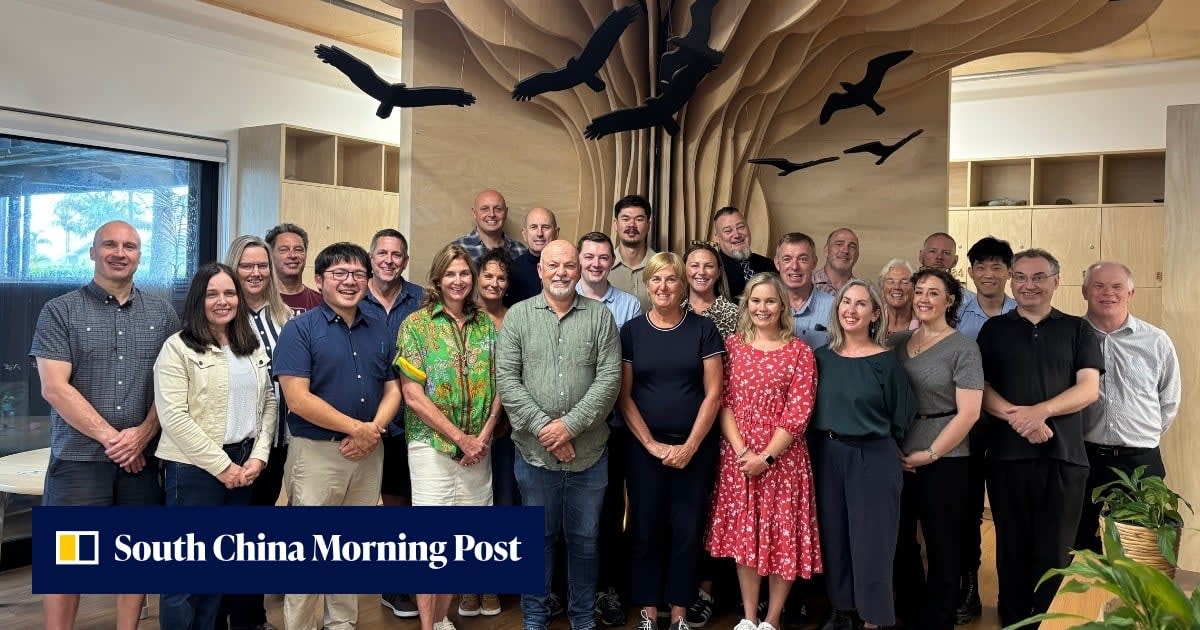
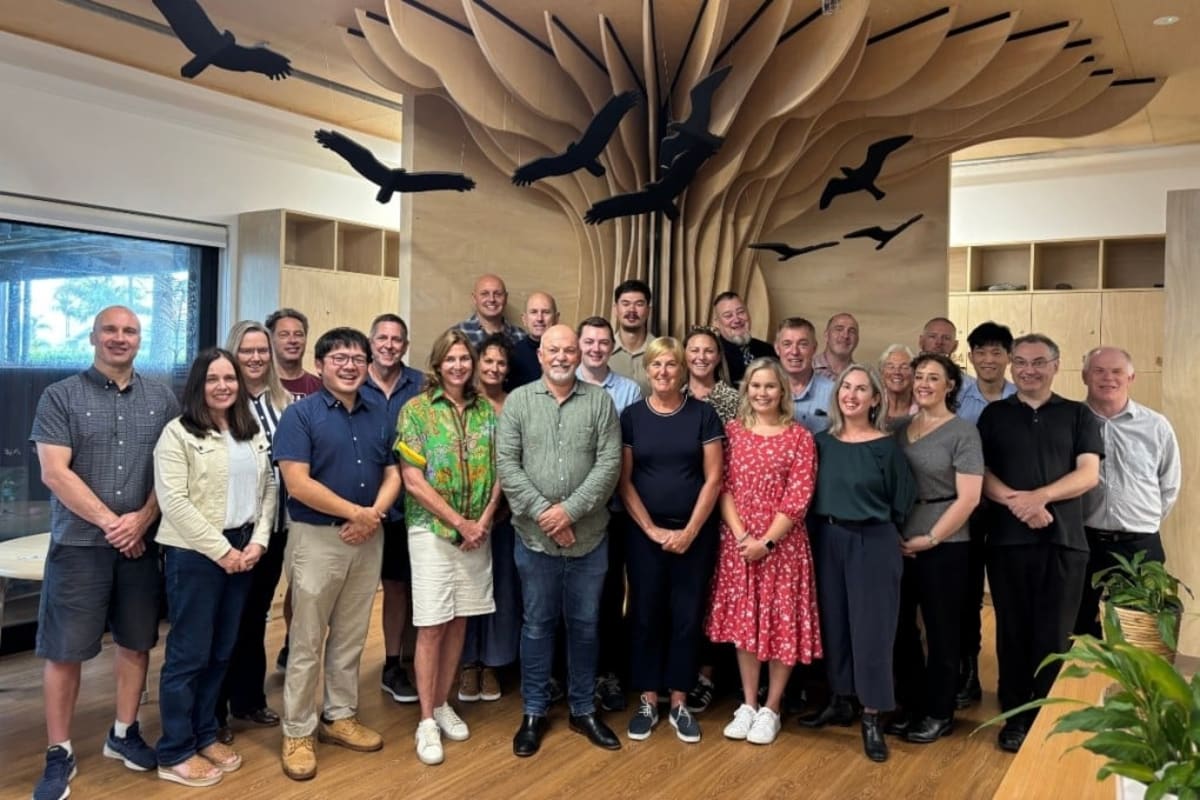
Crimson Global Academy has grown to serve over 3,000 students across 75 countries since launching in 2019. The online school offers small live classes of 8 to 10 students, taught by 400 subject specialists who connect with pupils via video from three virtual campuses in Hong Kong, London, and the United States.
The model works because it combines flexibility with structure. Students follow weekly timetables and earn globally recognized qualifications including IGCSEs, A-Levels, and US high school diplomas. Teachers monitor progress closely, cameras stay on during class, and students must participate actively in discussions and presentations.
More than 70 Hong Kong families have enrolled their children, often for practical reasons. Some students are young athletes or performers who need to balance training schedules with academics. Others want to accelerate their learning—49 percent of CGA students study above their age level in at least one subject.
The approach is delivering results. The academy has secured over 160 admission offers from Oxbridge, Ivy League institutions, and other top 50 universities worldwide. Students can switch between campuses if families relocate, and the school accepts both full-time and part-time learners.
"Each class lasts an hour, the discussions are very interactive, cameras must be on, all students are called on to present and contribute," says Liya Sun, CGA's admissions officer for Asia. Teachers check notes at the end of class to ensure engagement, and parents receive email updates about any concerns.
The Ripple Effect
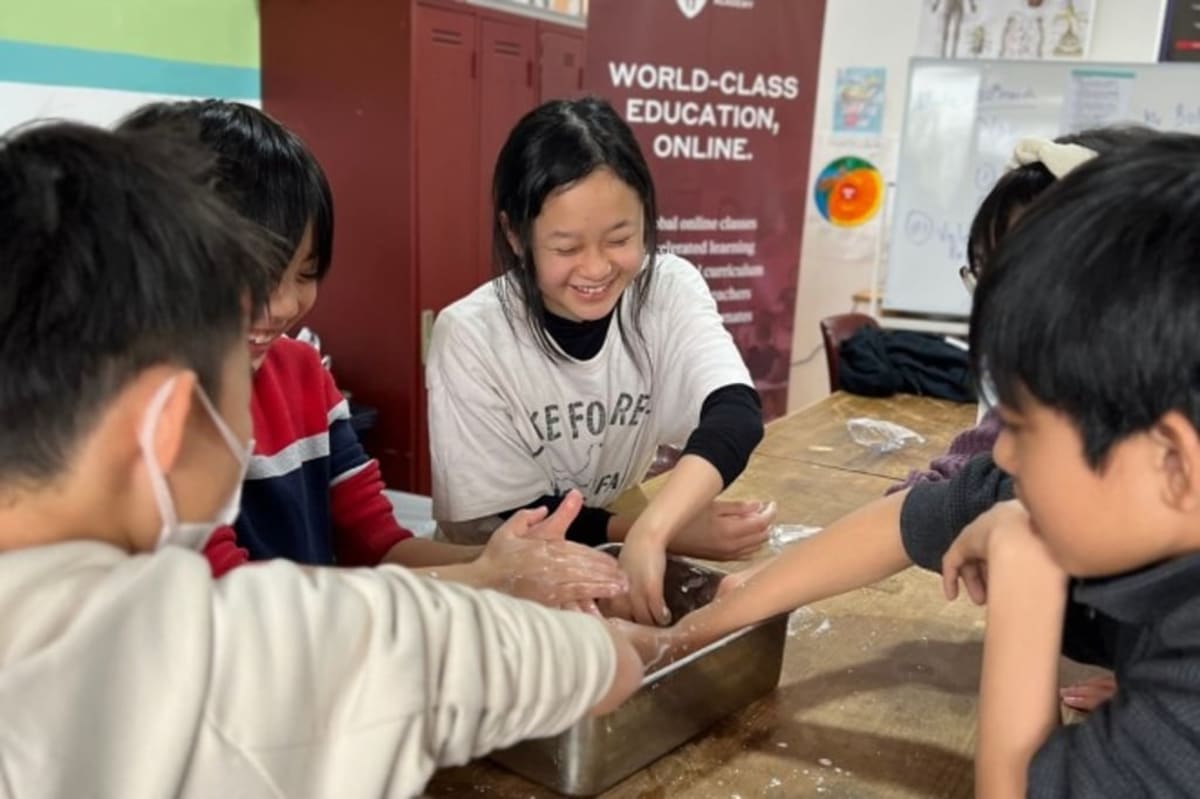
Beyond academics, the school fosters community through quarterly in-person meetups in major cities and extracurricular activities like cooking clubs where students share recipes from their cultures. Weekly "learning for life" courses teach time management and essential skills that prepare students for independence.
The pandemic proved that young people adapt quickly to online learning platforms. Now families are choosing virtual education not out of necessity, but because it offers personalized pathways their children couldn't access in traditional schools.
Education is evolving beyond brick-and-mortar buildings, and thousands of students are thriving in the process.
More Images

Based on reporting by South China Morning Post
This story was written by BrightWire based on verified news reports.
Spread the positivity!
Share this good news with someone who needs it