Oobli's Sweet Proteins Taste Like Sugar, Zero Guilt
A California company has cracked the code on sweetness using rare fruit proteins that taste exactly like sugar but are actually good for you. Time magazine already named it one of 2023's best inventions.
Imagine biting into chocolate or sipping sweet tea that tastes like real sugar but doesn't come with the crash, the cavities, or the guilt.
That's exactly what Oobli, a California food tech company, has brought to market using sweet proteins found in rare tropical fruits. Through precision fermentation, they've made these naturally occurring proteins accessible and affordable for everyone.
Unlike artificial sweeteners that leave a bitter aftertaste or make you second-guess your choices, sweet proteins actually taste like the real thing. They're not synthetically created substitutes trying to mimic sugar. They're proteins that naturally taste sweet, now produced in a way that's climate positive and scalable.
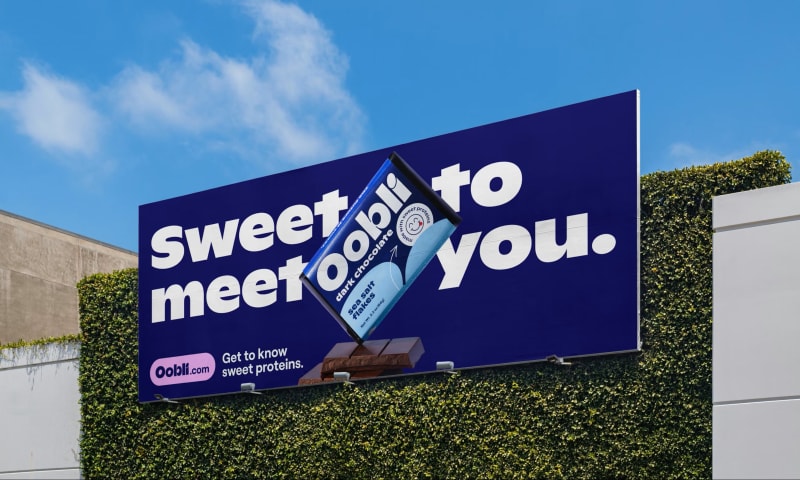
The company launched with chocolate bars and sweet teas that caught the attention of Time magazine editors. Oobli's sweet proteins landed on the publication's 200 Best Inventions of 2023 list.
"Guilt and shame so often play into the avoidance of sugar, and artificial sweeteners perpetuate the same harmful mindsets," said Jordana Rothman, creative at Zeus Jones, the agency that helped build Oobli's brand. The goal was bigger than just making another diet product.
The Ripple Effect
Oobli's breakthrough could reshape how our entire culture thinks about sweetness and health. For decades, we've been stuck in a cycle where sweet foods meant choosing between pleasure and wellbeing. Diet culture turned enjoying dessert into something that required justification or penance.
This technology offers an escape from that tired narrative. When sweetness comes from proteins that nourish rather than deplete, the whole conversation changes. Parents don't have to negotiate with kids over treats. People managing their health don't have to sacrifice the simple joy of a sweet drink on a hot day.
The brand's visual identity reflects this shift with bright colors, playful "ooble" shapes, and messaging that radiates inclusivity. Everything about Oobli pushes back against the shame and restriction that's dominated food marketing for generations.
CEO Ali Wing partnered with Zeus Jones to translate complex food science into a message that resonates emotionally. They had to navigate misinformation, explain emerging technology, and create an entirely new category without relying on the baggage that comes with words like "diet" or "alternative."
The result is a brand built on the radical idea that sweetness should be as good for your body as it is for your soul.
Based on reporting by Google News - Tech Breakthrough
This story was written by BrightWire based on verified news reports.
Spread the positivity!
Share this good news with someone who needs it