Open Source AI Maps 1 Billion Proteins for Free
Scientists just released a free database containing over 1 billion predicted protein structures, eclipsing previous tools and making cutting-edge biology accessible to researchers worldwide. The breakthrough could accelerate discoveries in medicine and environmental science.
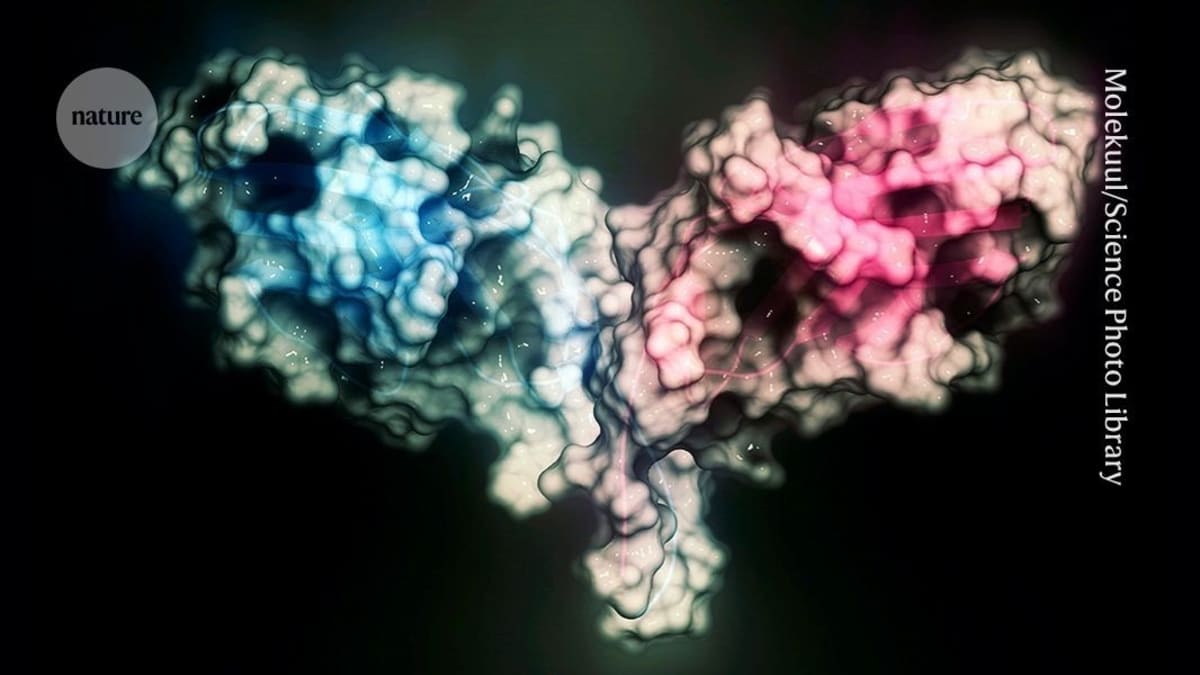
The protein universe just opened up to everyone. Researchers at the Chan Zuckerberg Initiative's Biohub in San Francisco released ESMFold2, an artificial intelligence tool that has mapped over 1 billion protein structures and made them freely available to scientists everywhere.
The new ESM Atlas dwarfs Google DeepMind's AlphaFold Database by more than 800 million entries. But size isn't the only breakthrough here.
What makes ESMFold2 special is that it's completely open source, meaning any researcher anywhere can use it, modify it, and build on it. The system learned from billions of proteins across all forms of life, including mysterious microbes from soil and ocean environments that other databases miss entirely.
The AI is already proving its worth in practical ways. When the team used ESMFold2 to design new antibodies against cancer and immune system diseases, a remarkably high proportion worked exactly as predicted when tested in the lab. That success rate matters for patients waiting for new treatments.
The tool excels at predicting how proteins interact with each other, a crucial ability for developing drugs and understanding diseases. Scientists can now see how antibodies might bind to their targets before spending months in expensive lab work.
Why This Inspires
This breakthrough represents science at its best: powerful technology made freely available to benefit everyone. Lead scientist Alex Rives calls the atlas "the totality of protein biology, especially the parts that are most unknown," and that openness invites discoveries we can't yet imagine.
Researchers are already making unexpected connections. Using the atlas, the team found surprising structural similarities between CRISPR defense proteins in bacteria and a gene-editing protein discovered in a soil fungus. These kinds of revelations happen when you can suddenly see patterns across the entire protein universe.
The atlas includes 6.8 billion protein sequences, most from poorly understood environmental samples. Every one of those mysterious proteins could hold answers to challenges in medicine, agriculture, or environmental cleanup.
While commercial AI tools are racing ahead with proprietary advantages, ESMFold2 proves that open science can compete and win. Drug companies and university labs now have access to the same cutting-edge predictions, leveling the playing field for breakthrough discoveries.
The protein structures that drive all life are no longer locked behind paywalls or corporate walls. They're out there, free for anyone curious or determined enough to explore them.
More Images

Based on reporting by Nature News
This story was written by BrightWire based on verified news reports.
Spread the positivity!
Share this good news with someone who needs it