OpenAI CEO: AI Job Apocalypse Won't Happen After All
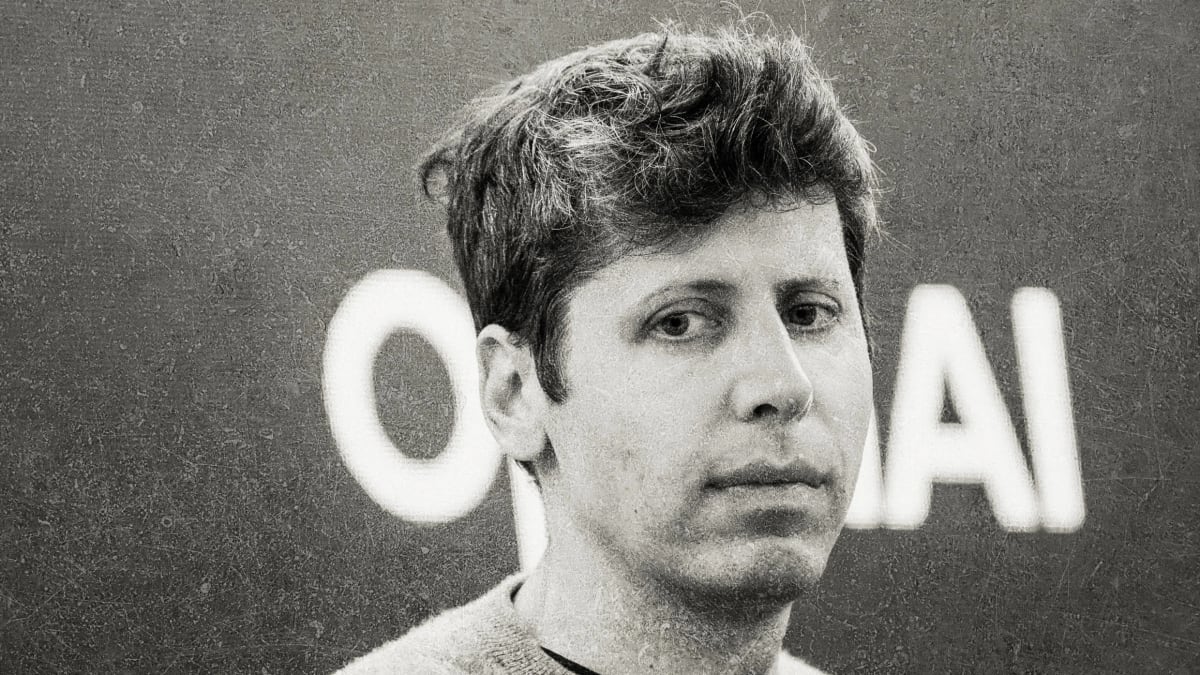
Sam Altman admits he was wrong about AI destroying entry-level white-collar jobs, saying he's "delighted" that workforce fears haven't materialized. The OpenAI chief now believes human connection matters more than he thought.
The tech leader who helped spark global AI anxiety just admitted he got it wrong about robots taking our jobs.
OpenAI CEO Sam Altman told a Commonwealth Bank of Australia conference this week that AI hasn't eliminated white-collar jobs the way he predicted it would. "I'm delighted to be wrong about this," he said, noting that entry-level positions have survived better than expected.
Altman's change of heart came from personal experience. He tried using AI to handle his emails and Slack messages but kept finding himself stepping in to respond personally instead.
That hands-on experiment revealed something important: the human element in most jobs runs deeper than he realized. Even as AI gets smarter, people still want to connect with actual people for collaboration, problem-solving, and decision-making.
The admission carries weight coming from Altman, whose company created ChatGPT and sparked widespread concerns about workplace automation. For months, headlines warned that AI would replace countless workers, particularly in entry-level office roles.
Altman previously suggested some companies were using "AI washing" as cover for layoffs they planned anyway. Now he's going further, saying the feared "jobs apocalypse" simply isn't happening.
The Bright Side
This shift in perspective from one of AI's biggest champions offers real comfort to millions of workers worried about their futures. It turns out that even the most advanced technology can't easily replace the instinct, empathy, and relationship-building that humans bring to their work.
Economists have been saying for months that AI job displacement fears were overblown, but hearing it from Altman himself validates what many have experienced firsthand. Companies are finding AI works best as a tool that helps people do their jobs better, not as a replacement for them.
Altman acknowledged that his earlier warnings may have fueled unnecessary fear, but he defended raising the concern at the time because the risk seemed real based on AI's rapid advancement.
The takeaway isn't that AI won't change how we work, but that those changes look less catastrophic and more collaborative than predicted.
More Images

Based on reporting by Fast Company
This story was written by BrightWire based on verified news reports.
Spread the positivity!
Share this good news with someone who needs it