Opera Brings Rare Brain Disorder Story to Melbourne Stage
A chamber opera about a musician who can't recognize faces returns to Melbourne 40 years after its premiere, blending neuroscience with deeply human storytelling. The production explores love, resilience, and the creative power of the human mind.
A musician who mistakes his wife for a hat might sound absurd, but this true neurological case has captivated audiences for decades through an unusual art form that brings medicine and music together.
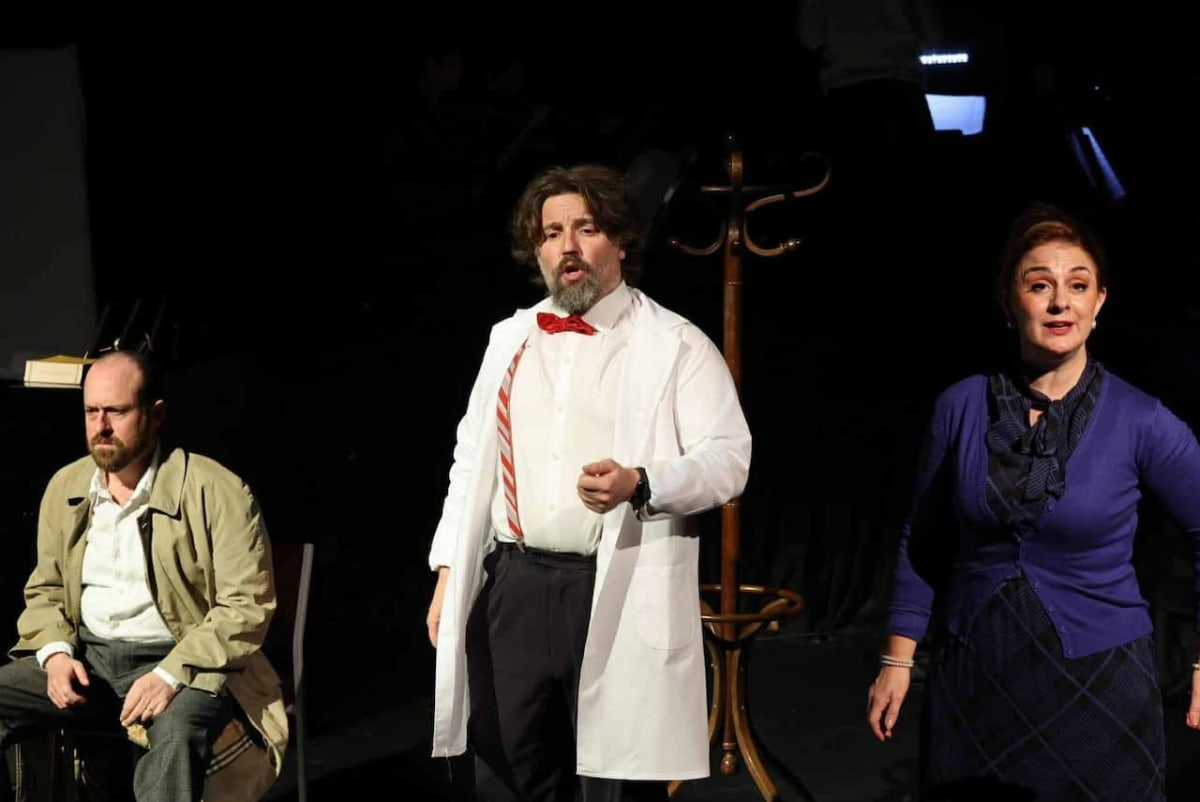
Melbourne Opera and IOpera are reviving "The Man Who Mistook His Wife for a Hat" this month at the Athenaeum Theatre, marking 40 years since composer Michael Nyman first adapted British neurologist Oliver Sacks' famous case study. The chamber opera tells the story of Dr. P., a talented musician who gradually loses his ability to recognize the world around him visually, even confusing his wife for an inanimate object.
Greek-Australian soprano Elena Xanthoudakis plays Mrs. P., the devoted wife navigating her husband's bewildering condition. She describes the production as "a fascinating and deeply human story" that focuses less on medical complexity and more on what makes us resilient.
The intimate format features just three principal roles, creating a vulnerable space where audiences can connect with the emotional weight of living with neurological illness. Unlike grand operas with massive orchestras and choruses, this chamber piece draws listeners into the private world of a couple facing an unimaginable challenge together.
The score weaves in references to Romantic composers like Robert Schumann, creating a bridge between the character's musical gifts and his deteriorating perception. Music becomes both the lens through which Dr. P. experiences reality and the tool that keeps him connected to his identity.
Why This Inspires
This production arrives at a moment when conversations about mental health and neurological conditions are finally moving beyond stigma. By transforming a clinical case study into art, the opera invites audiences to see these conditions through a lens of compassion rather than fear.
Xanthoudakis sees encouraging signs that younger generations are embracing classical arts, pushing back against recent claims that opera lacks relevance. The sold-out anniversary production suggests audiences are hungry for stories that explore what it means to be human, especially when the brain works differently than expected.
The role of Mrs. P. highlights an often-overlooked perspective: the quiet strength of partners who support loved ones through neurological challenges. Her character represents the thousands of caregivers whose devotion rarely makes headlines but changes everything for the people they love.
Forty years after its London premiere, this unusual opera continues proving that the arts can help us understand complex medical realities while celebrating the creative resilience that emerges even when the mind loses its way.
More Images



Based on reporting by Google: kindness story
This story was written by BrightWire based on verified news reports.
Spread the positivity!
Share this good news with someone who needs it