Oral Insulin Breakthrough Could End Daily Injections
Japanese researchers have developed a peptide technology that allows insulin to be taken as a pill instead of an injection, achieving remarkable effectiveness in diabetic mice. This century-old dream could transform diabetes treatment for millions who endure daily needles.
For over 100 years, doctors have dreamed of turning insulin into a pill, but the digestive system destroyed it before it could work. Now, a team at Kumamoto University in Japan has cracked the code with a breakthrough that could free millions from daily injections.
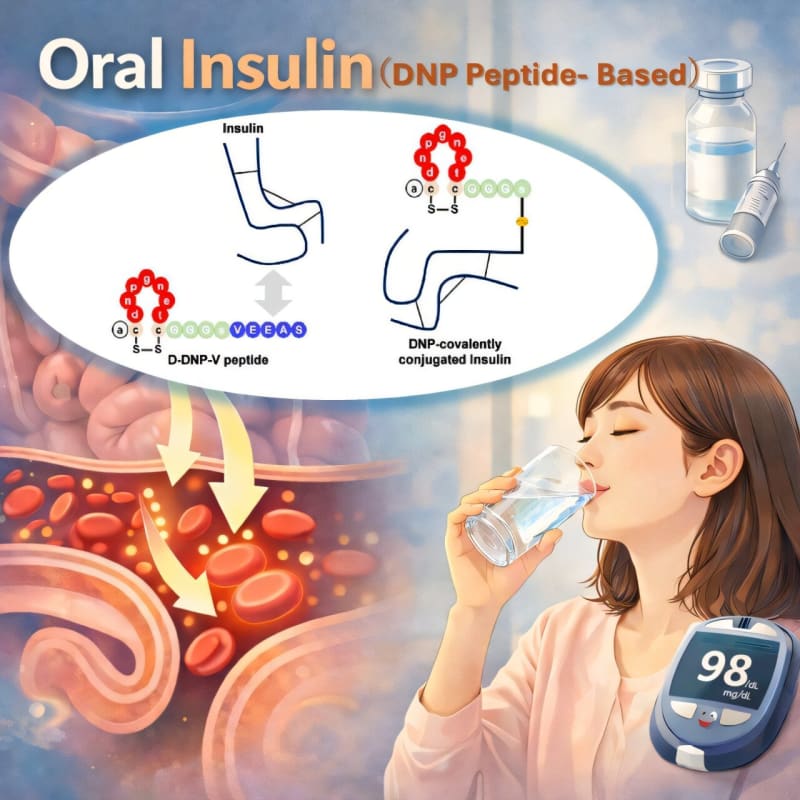
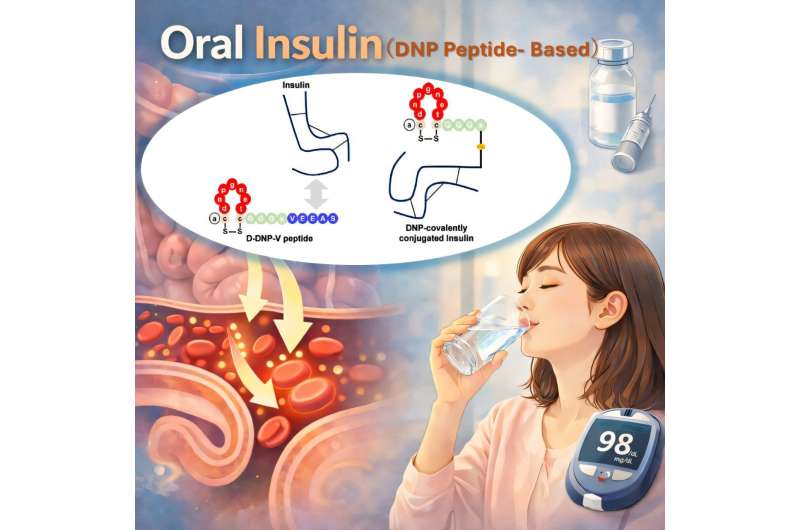
Associate Professor Shingo Ito and his team created a special carrier peptide called DNP that shepherds insulin safely through the small intestine. Think of it as a protective escort that helps insulin survive the harsh journey through the digestive tract and into the bloodstream.
The researchers tested two methods with impressive results. In the first approach, they simply mixed their modified peptide with standard insulin. When given to diabetic mice, blood sugar levels dropped to normal ranges quickly and stayed controlled with just one dose per day for three days straight.
The second method used click chemistry to attach the peptide directly to insulin molecules. This produced similar glucose-lowering effects, proving the system works through multiple pathways.
Here's what makes this truly groundbreaking: previous oral insulin attempts required ten times more insulin than an injection to achieve the same effect. This new platform achieved 33 to 41 percent bioavailability compared to injection, meaning far less insulin is needed. That's a massive leap forward in making oral insulin practical and affordable.
The technology worked across different types of diabetes in mice, including both chemically induced and genetic models. Each time, the oral insulin performed reliably and consistently.
Why This Inspires
More than 537 million adults worldwide live with diabetes, and many face the daily burden of insulin injections. For children, elderly patients, and those with needle phobia, injections create real barriers to consistent treatment and quality of life.
This peptide platform could extend beyond insulin too. The researchers believe their delivery system might work for other injectable biologics, potentially transforming how we take many medications. Long-acting insulin formulations could be next in line.
The team is now moving toward human trials, including tests in large animal models and human intestinal systems. While challenges remain before this reaches pharmacy shelves, the results represent genuine progress toward a goal that seemed impossible for generations.
"Insulin injections remain a daily burden for many patients," Ito explained. "Our peptide-based platform offers a new route to deliver insulin orally."
The dream of oral insulin just took its biggest step forward in a century.
More Images

Based on reporting by Medical Xpress
This story was written by BrightWire based on verified news reports.
Spread the positivity!
Share this good news with someone who needs it