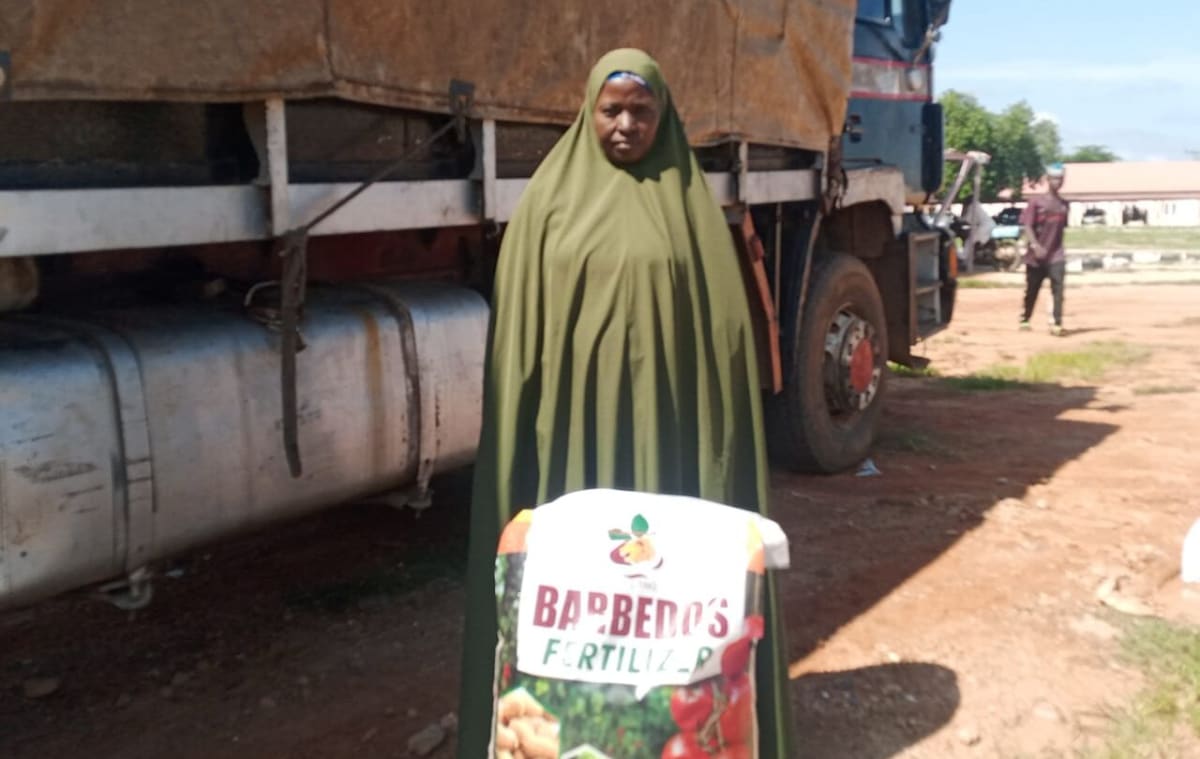
Orange Farm Families Grow Food and Hope in Own Backyards
In a South African township where 14 million people face hunger, young people are learning to turn small patches of dirt into vegetable gardens that feed families and create income. One local organization has trained 200 youth and helped 100 families grow their own food since 2016.
When Nonhlanhla Mazibuko's family received a food donation last December, it arrived at exactly the right moment. But the seeds that came with it might matter even more.
The 30-year-old lives with her grandparents in Orange Farm, a township outside Johannesburg where most households fall into the city's lowest income bracket. Her family survives on monthly social grants that stretch thin by the end of each month. Now they're growing vegetables in their backyard, cutting down on grocery bills one harvest at a time.
Mazibuko's family is part of a quiet transformation happening across Orange Farm. Since 2016, a local nonprofit called Intouch Youth Development & Community Justice has been teaching residents how to grow their own food. The organization started small but has now trained more than 200 young people and supported over 100 families with fresh produce and farming skills.
For 20-year-old Ofentse Ndubiwa, the training opened an unexpected door. He was unemployed and not in school when he saw the program advertised on social media. He learned crop maintenance and sustainable farming techniques, then started selling vegetables from his own backyard garden and planting for neighbors who pay him for his work.
The timing matters. About 14 million South Africans went to bed hungry in 2024, according to the South African Human Rights Commission. Many families cope by eating cheaper, less nutritious food or skipping meals entirely.
Founder Ronney Kapaso saw the need firsthand while working in Orange Farm between 2013 and 2015. He witnessed how poverty, unemployment, and food insecurity collided in the community. His solution wasn't just to give food away but to help people grow it themselves.
The Ripple Effect
Research backs up what families in Orange Farm are discovering. A 2025 study of 220 backyard gardeners in South Africa's North West province found that most households used their entire garden space to grow food for home consumption. The gardens helped families produce food more sustainably while saving money they would have spent at stores.
The impact extends beyond individual gardens. Community members from Orange Farm joined protesters from across Johannesburg at the Nelson Mandela Foundation last month, raising their voices as part of the Union Against Hunger coalition during a national inquiry into South Africa's food system.
For Mazibuko's family, the backyard garden represents something more reliable than a one-time food parcel. For Ndubiwa, it's a skill he hopes will help him survive. And for Orange Farm, it's proof that solutions can grow from the ground up, one seed at a time.
More Images

Based on reporting by AllAfrica - Health
This story was written by BrightWire based on verified news reports.
Spread the positivity!
Share this good news with someone who needs it
%2Ffile%2Fattachments%2Forphans%2FIMG_8825_419016.jpeg)