Orange Launches 20,000km Cable to Connect Nigeria, Africa
A massive new underwater internet cable will link Nigeria and 19 other African countries to Europe, bringing faster speeds and backup connections to a continent plagued by outages. The project aims to future-proof Africa's digital growth for the next 25 years.
Africa is getting a digital lifeline that could transform how millions connect to the world.
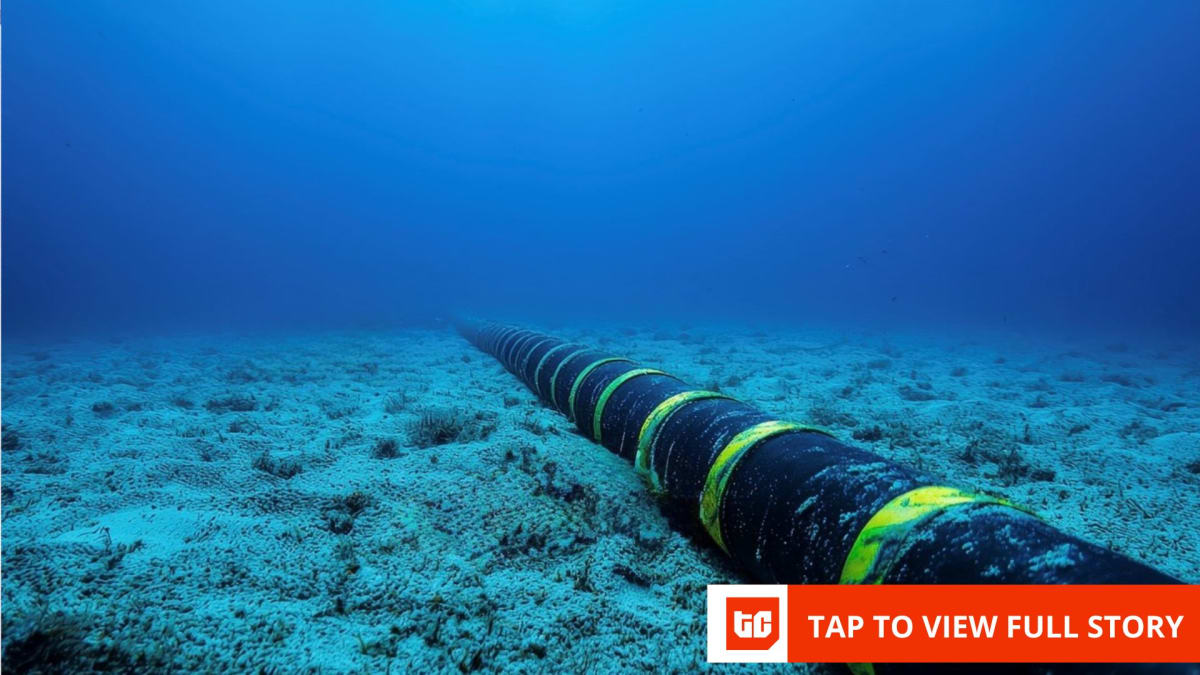
Global telecom giant Orange is leading a consortium to build Via Africa, a 20,000-kilometer underwater cable stretching from West Africa to Europe. The system will serve Nigeria and nearly 20 other countries, creating new routes that sidestep the single points of failure that have repeatedly knocked entire nations offline.
Nigeria hosts more submarine cables than any West African nation, yet the country still battles constant fiber cuts and network congestion as internet demand explodes. When existing cables fail, which happens somewhere in the world every two days according to Orange CEO Michaël Trabbia, entire regions can lose connectivity for hours or even days.
The cable will land in Nigeria, Senegal, Guinea, Côte d'Ivoire, and Mauritania, with more countries joining as the consortium grows. Unlike older systems that funnel through crowded Mediterranean routes, Via Africa takes a direct Atlantic path between West Africa and Europe.
Recent years have shown just how vulnerable African connectivity remains. Multiple cable breaks along the West African coast have simultaneously crashed internet services across several countries, freezing banking platforms, fintech apps, and business operations. Just five countries currently handle more than half of Africa's international internet traffic.
The Ripple Effect
The new cable does more than prevent outages. It creates the foundation for Africa's next digital leap forward.
Orange announced the project at the Africa Forward Summit in Nairobi, alongside plans to train three million young Africans in AI, cybersecurity, and cloud computing by 2030. The company is doubling its network of Digital Centres across Africa and backing 500 new startups in healthcare, agriculture, and fintech.
Modern cables can carry vastly more data than systems built just a decade ago. Trabbia notes that cables older than 10 years become "much more minor contributors" as newer technology leaps ahead. Via Africa is designed to handle long-term growth, with the capacity to attract major cloud providers and data centers looking to expand in Africa.
The system will incorporate advanced protection against ship anchors and marine damage, burying cables up to 2,000 meters deep with reinforced shielding. Construction could take three to four years once consortium arrangements finalize.
For a continent racing to build its digital economy, reliable infrastructure isn't optional. Africa is becoming a hub for digital payments, online services, and AI development, but none of that works without stable connections that can handle surging demand and survive inevitable failures.
Twenty countries are about to get the backup plan they desperately need.
Based on reporting by TechCabal
This story was written by BrightWire based on verified news reports.
Spread the positivity!
Share this good news with someone who needs it