Orange-Lipped Monkey Discovered Hidden in Congo Forests
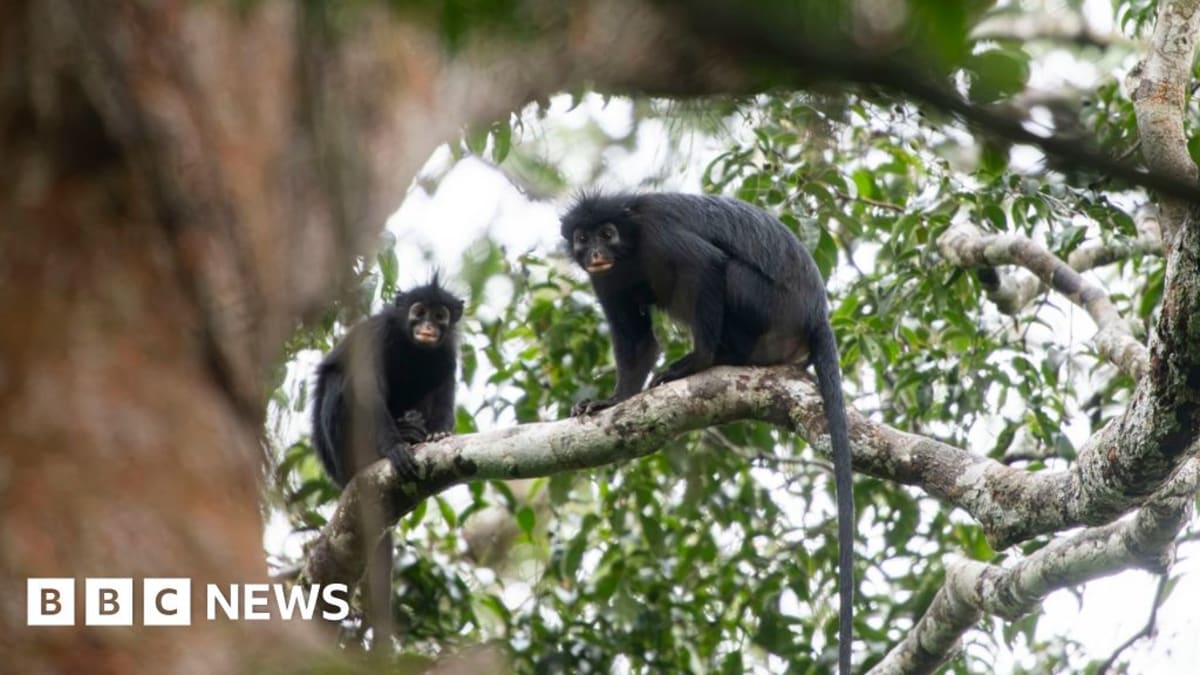
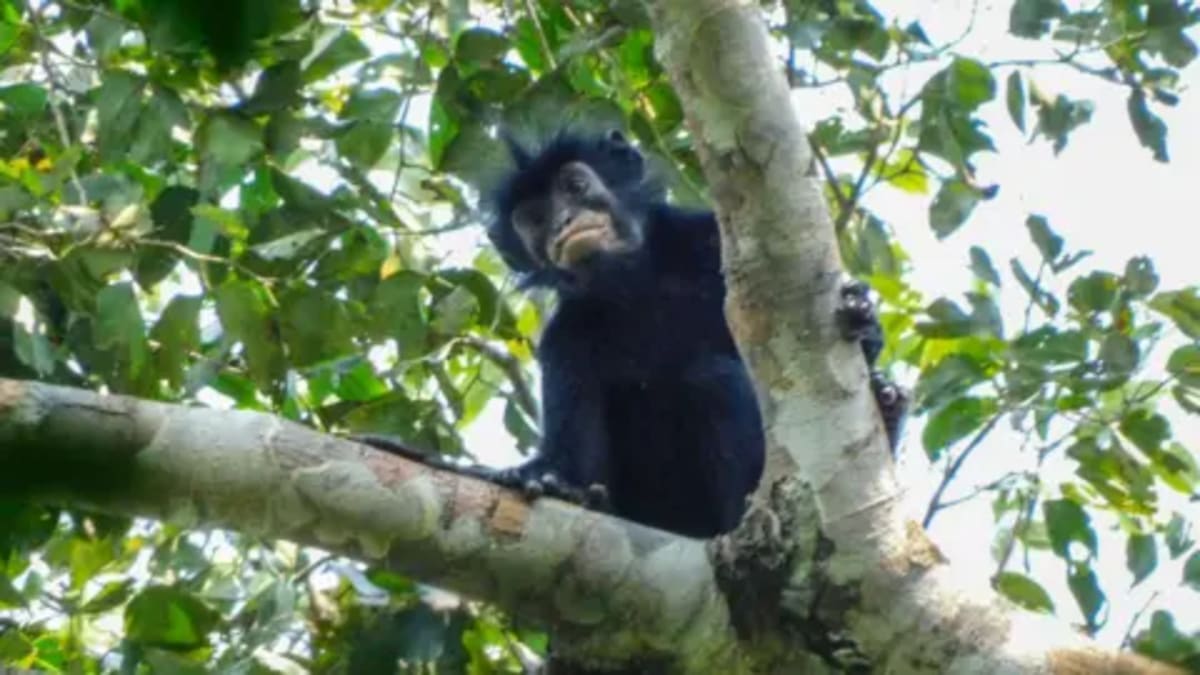
Scientists confirmed a striking black monkey with bright orange lips as a new species in the Democratic Republic of Congo's Lomami National Park. The rare primate, known locally as "Likweli," is only the fifth African monkey species discovered in 75 years.
Deep in the dense forests of central Congo, a shy monkey with brilliant pinkish-orange lips has been hiding in plain sight, and scientists just confirmed it's unlike any species we've known before.
The black-furred primate lives high in the tree canopy of Lomami National Park, where conservationists first spotted it back in 2008 with one blurry photo to show for their efforts. When they saw it again 10 years later, an international team launched a full search to understand this mysterious animal.
Junior Amboko, a PhD student from Florida Atlantic University, led the hunt through audio recordings, photographs, and genetic studies. Looking into the monkey's face for the first time felt amazing, he told BBC News, knowing so few people had ever seen this creature.
The team interviewed people in 52 villages near the forest. Only eight villages had residents who'd ever encountered the animal, which locals call Likweli. The monkeys are secretive, preferring to stay hidden in the high branches where they munch on leaves and help spread seeds throughout the forest.
Scientists named it Colobus congoensis to honor the Democratic Republic of Congo's incredible natural diversity. Like other colobus monkeys, this species has no thumbs and plays a critical role in the ecosystem by processing seeds and helping forests regenerate.
The monkey's unusual bright facial markings might help them recognize each other or attract mates. They also make a distinctive roaring call that echoes through the trees, often heard but rarely seen by humans passing below.
The Ripple Effect
This discovery opens doors for real protection. Because the monkeys are hunted for meat and appear rare in their forest habitat, officially recognizing them as a distinct species means they can now receive legal conservation status. That could safeguard not just these orange-lipped primates but the entire forest ecosystem they call home.
The research team plans to conduct detailed surveys to count the population and study how these shy creatures live. Every answer they find will help protect a species that managed to stay hidden from science for so long.
A new face in the forest canopy reminds us how much wonder still waits to be discovered.
More Images

Based on reporting by BBC Science
This story was written by BrightWire based on verified news reports.
Spread the positivity!
Share this good news with someone who needs it