Orca Mother Carries Calf for 17 Days—Twice in 7 Years
Tahlequah, a killer whale in the Pacific Northwest, carried her deceased calf through the ocean for more than two weeks in 2018, then repeated the heartbreaking behavior in 2024. Scientists say her extraordinary grief reveals just how emotionally complex these animals truly are.
📺 Watch the full story above
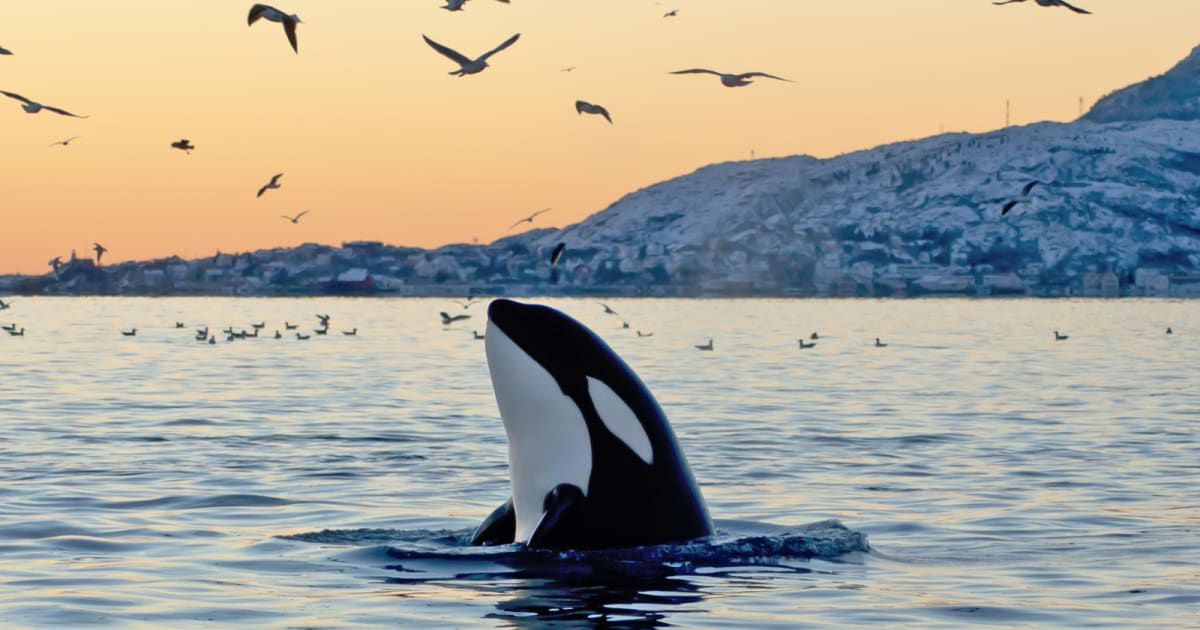
A mother orca named Tahlequah did something in 2018 that stopped the world: she carried her dead calf on her head for 17 days, pushing the tiny body through over 1,000 miles of Pacific waters. Then, seven years later, she did it again.
Tahlequah lives in the Salish Sea between Washington State and British Columbia as part of the endangered Southern Resident killer whale population. In July 2018, researchers watched her give birth to a female calf off the coast of Victoria. The baby lived only 30 minutes.
What happened next was unprecedented. Tahlequah balanced her calf's body on her rostrum (the front of her head) and pushed it to the surface each time it began to sink. She traveled with her pod for over two weeks, covering more than a thousand miles before finally letting go on August 11.
Researchers called it the "Tour of Grief." The world watched, and the behavior sparked global conversations about animal emotion.
In December 2024, Tahlequah gave birth again to a calf researchers designated J61. The baby appeared underweight and struggled to nurse successfully. By New Year's Eve, after roughly a week of life, J61 had died.
Tahlequah began carrying her second calf's body the same way. Researchers documented the behavior for at least 16 consecutive days as she moved through the same waters, performing the same heartbreaking ritual.
Why This Inspires
What Tahlequah is doing has a scientific name: post-mortem attentive behavior. It's been documented in dolphins, elephants, chimpanzees, and other socially complex mammals, but rarely for this long and never in the same individual twice.
Dr. Joe Gaydos from the SeaDoc Society explains that killer whales have highly developed brain regions for memory, learning, and emotional processing. Southern Resident orcas live in tight-knit family groups with lifelong bonds between mothers, daughters, and siblings.
Scientists carefully avoid saying definitively whether this is "grief" in the human sense. But they do confirm that orcas experience profound emotional lives. The fact that Tahlequah repeated this behavior seven years later suggests something deeper than instinct.
Her story reminds us that emotional complexity isn't uniquely human. These magnificent animals feel loss, remember their loved ones, and need time to say goodbye just like we do.
Tahlequah eventually rejoined normal pod behavior both times, showing the resilience that lives alongside her capacity for profound connection.
More Images

Based on reporting by Google News - Science
This story was written by BrightWire based on verified news reports.
Spread the positivity!
Share this good news with someone who needs it