Oregon Adds $37M to Save 321 At-Risk Species
Oregon just became the first state to fund wildlife conservation through tourism taxes, raising $37 million annually to protect everything from gray wolves to tiny caddisflies. The bipartisan bill shifts the burden from hunters to hotel guests, creating a model other states are already watching.
When Oregon Governor Tina Kotek signed a lodging tax increase last month, she didn't just boost state revenue. She created a blueprint for saving wildlife that doesn't rely on hunting licenses.
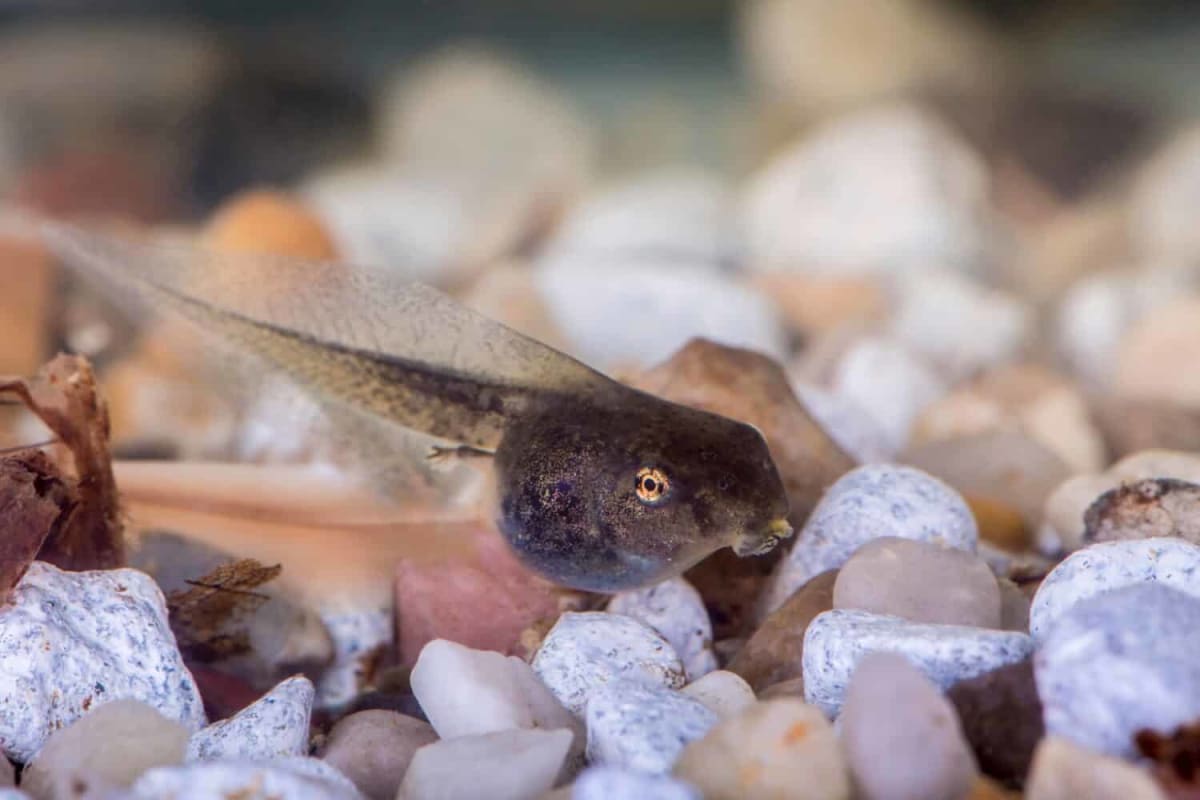
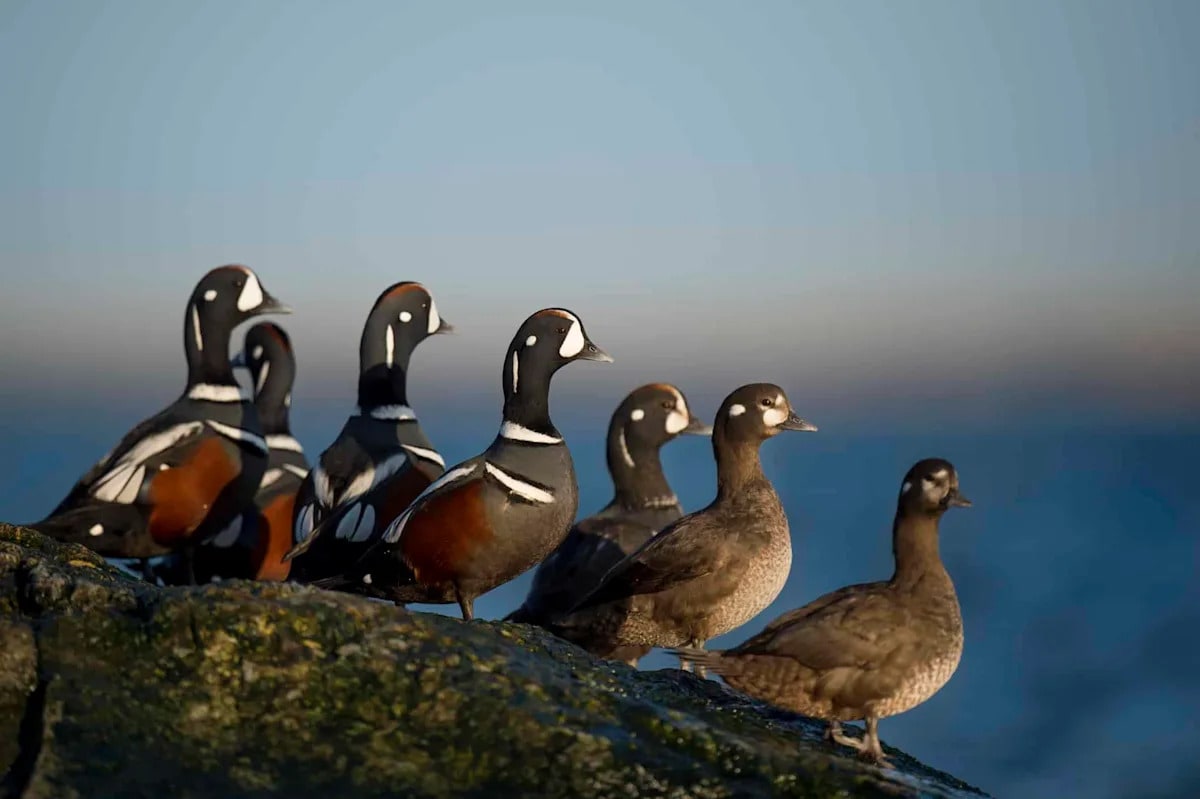
The new law raises Oregon's hotel tax from 1.25% to 2.75%, funneling an extra $37 million each year directly into protecting the state's most vulnerable creatures. That list has grown to 321 species, up 10% in just a decade, including golden eagles, coho salmon, tufted puffins, and Townsend's big-eared bats.
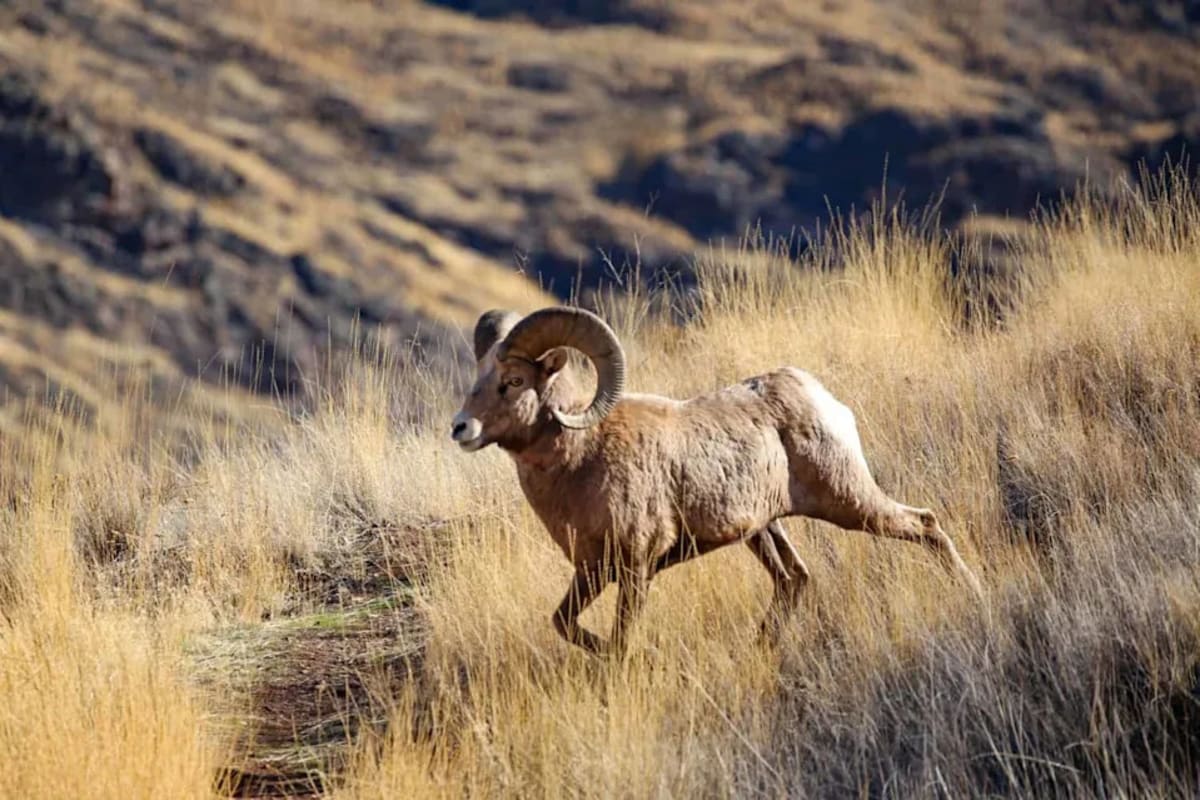
Oregon's wilderness has always been its crown jewel. Drive down any country highway and you might spot elk, black bears, or mountain lions. But the state's real biodiversity includes dozens of species most visitors never see: Pacific martens, Washington ground squirrels, and three types of endangered whales swimming off the coast.
The problem was simple but urgent. Oregon funded conservation the old-fashioned way, through hunting and fishing licenses. That worked fine for game animals but left songbirds, reptiles, and insects scrambling for scraps.
Representatives Ken Helm, Mark Owens, and Senator Todd Nash built something rare in modern politics: genuine bipartisan support. Democrats and Republicans agreed that Oregon's tourism economy depends on healthy ecosystems, so tourists should help pay for conservation.
The math works beautifully. Oregon had one of the lowest lodging taxes in America before this increase. Now, every visitor who enjoys Oregon's natural beauty contributes directly to protecting it.
The Ripple Effect
Over 85 organizations backed the bill, from the National Wildlife Federation to the American Bird Conservancy. They recognized that stable funding changes everything for conservation work.
The money will enforce wildlife laws, control invasive species, and build wildlife crossings so animals can move safely across roads. It will fund stewardship grants for local communities doing conservation work on the ground.
The National Wildlife Federation called it "a decisive victory for wildlife and a landmark moment for conservation." They specifically praised funding for overlooked species like Olympia oysters and Columbia Gorge caddisflies.
Lindsay Adrean from the American Bird Conservancy captured the challenge perfectly: "Conservation funding from regular government sources has become increasingly competitive, and birds are being edged out." This bill fixes that.
Senator Jeff Golden, one of the bill's chief sponsors, calls it a modern user-pay model. People who come to see Oregon's wild places now help ensure those places survive for the next generation.
Other states are watching closely, and Oregon just showed them how tourism and conservation can work together.
More Images

Based on reporting by Google: species saved endangered
This story was written by BrightWire based on verified news reports.
Spread the positivity!
Share this good news with someone who needs it