Oregon Opens First Wave Energy Test Site for Clean Power
America's first pre-permitted ocean wave energy testing facility just opened off Oregon's coast, giving clean energy innovators a chance to prove their technology works at commercial scale. After 15 years of planning, PacWave South can now test devices that turn ocean waves into electricity for the power grid.
📺 Watch the full story above
Imagine harnessing the ocean's endless motion to power homes and businesses without any emissions or pollution. That future just got closer with the grand opening of PacWave South, a groundbreaking testing facility seven miles off the Oregon coast.
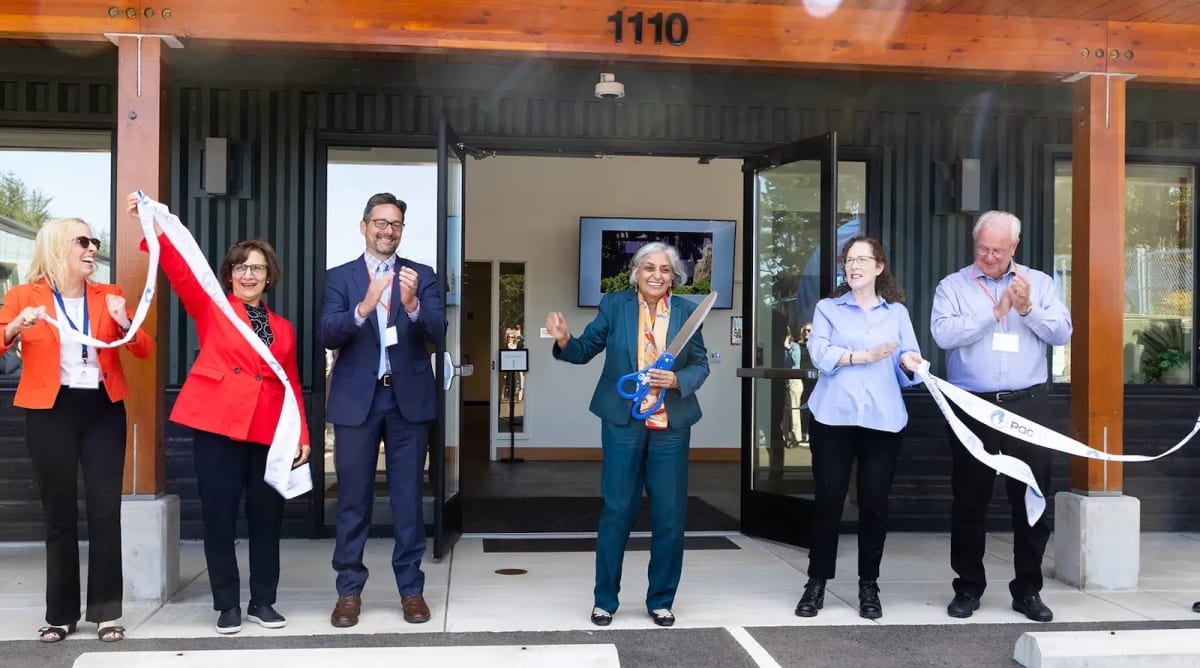
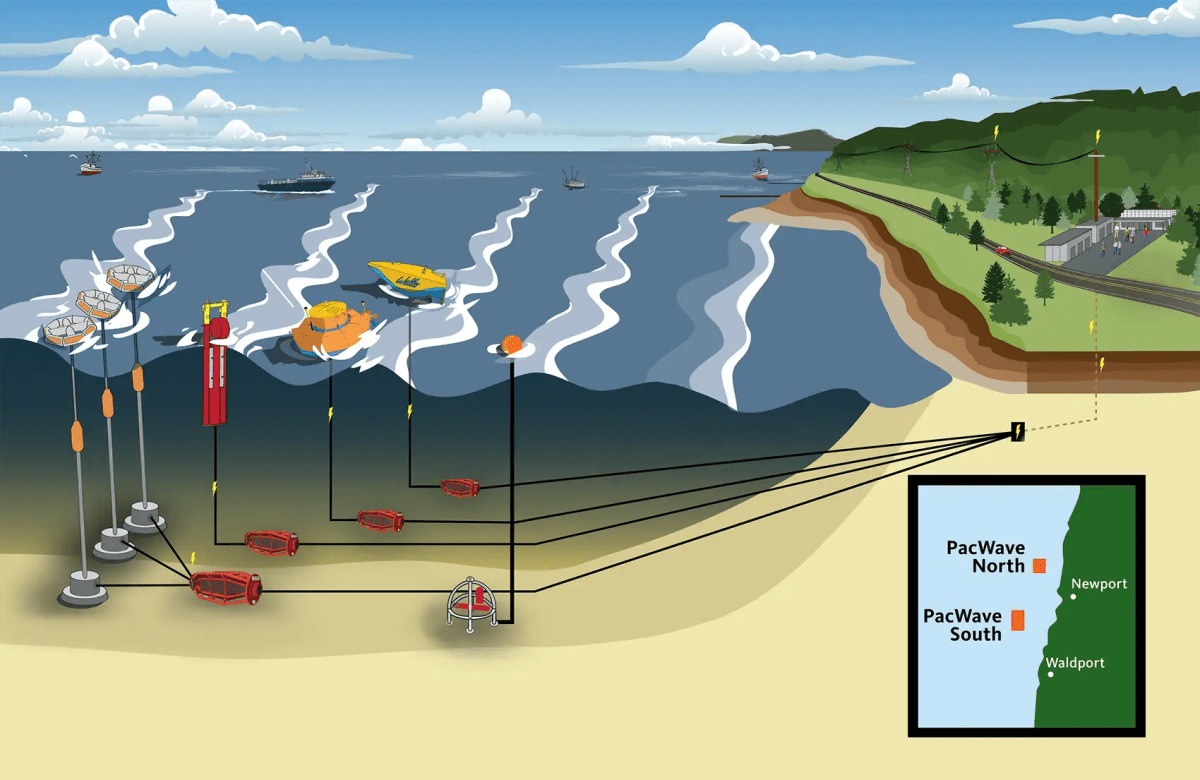
On August 27, Oregon State University unveiled the nation's first grid-connected ocean wave energy test site. The facility sits 213 to 256 feet underwater on the Outer Continental Shelf, where powerful Pacific waves will put clean energy devices through their toughest trials.
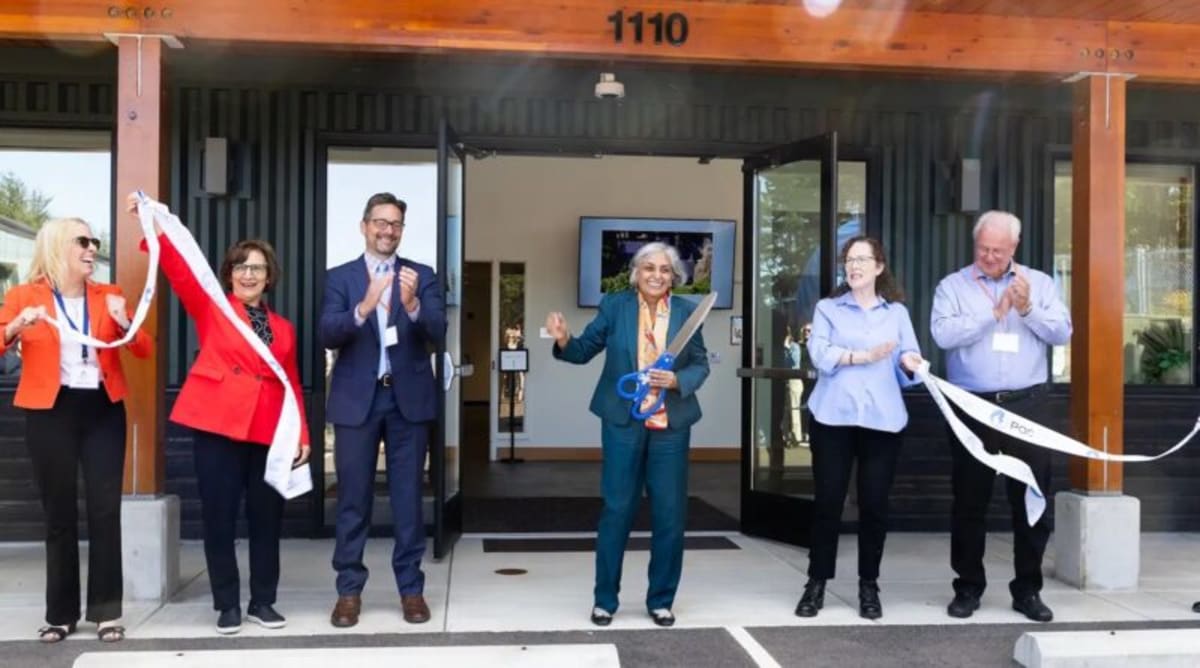
The project took 15 years of planning, design, and construction, with support from the U.S. Department of Energy and the National Laboratory of the Rockies. Director Dan Hellin and leaders from Congress and the Oregon Legislature gathered near Seal Rock for the ribbon cutting ceremony.
PacWave South solves a major problem for clean energy inventors. The facility comes pre-permitted with a 25-year operating license, meaning companies can test their wave energy converters without spending years navigating environmental reviews and federal regulations on their own.
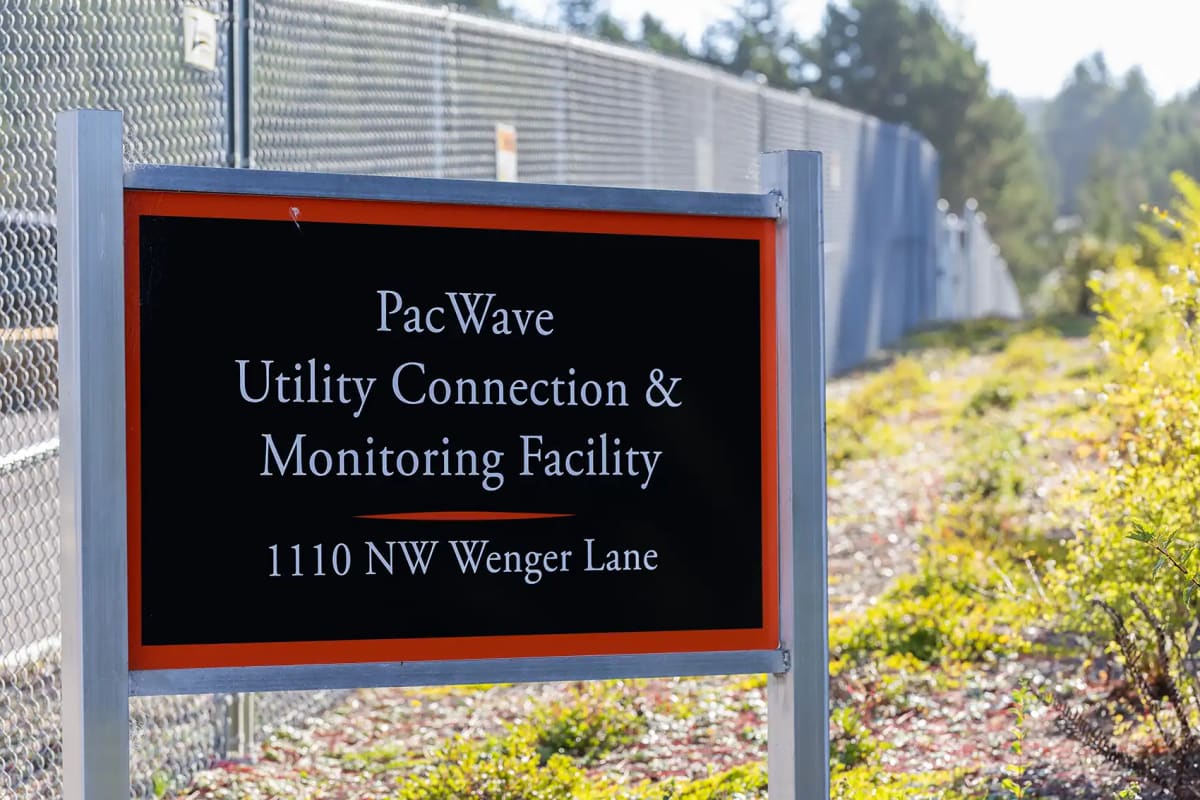
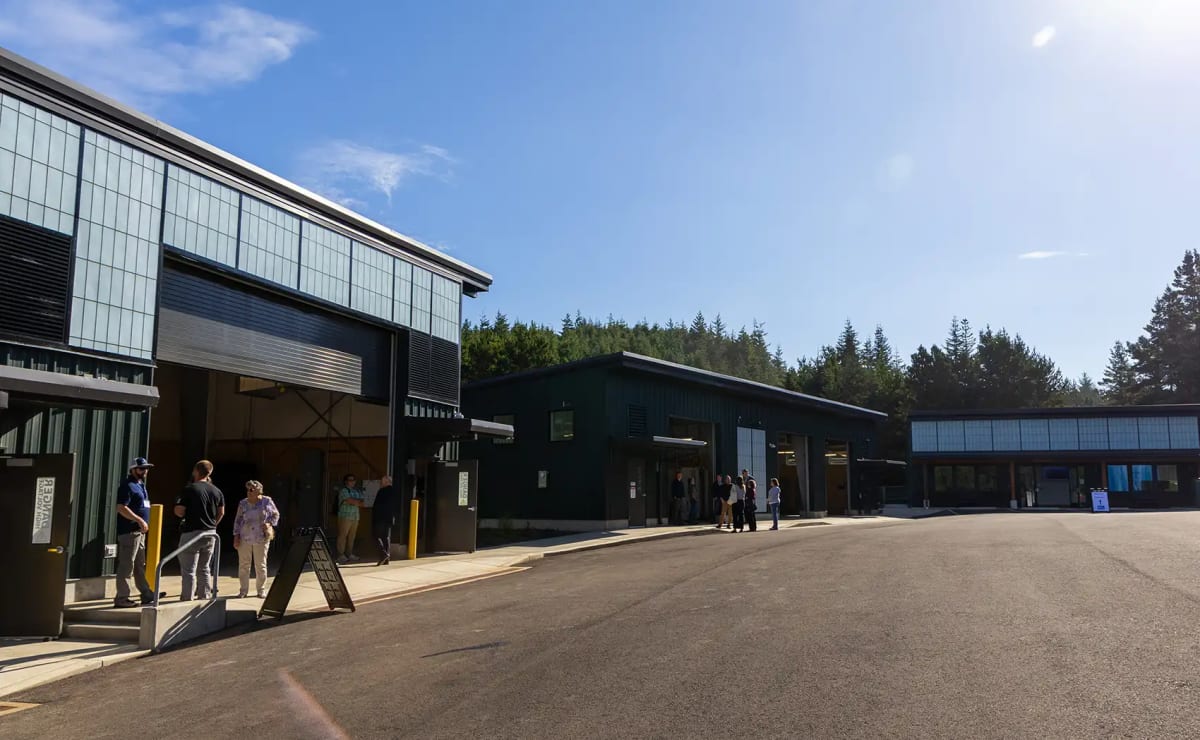
The site features four test berths, each equipped with a 5-megawatt underwater cable that connects to an onshore monitoring facility near Driftwood Beach State Park. When operating at full capacity, the facility can host up to 20 wave energy devices simultaneously and transmit 20 megawatts of clean electricity to the local power grid.
"The systems tested at PacWave will be able to test and prove their technologies on the way to commercialization," said Kelly Gjestvang, project manager at the National Laboratory of the Rockies. Developers can now demonstrate that their devices both survive harsh ocean conditions and safely deliver power to homes and businesses.
The Ripple Effect
The facility addresses what clean energy experts call the "valley of death," that difficult gap between laboratory testing and commercial viability where many promising technologies fail. PacWave gives inventors access to real ocean conditions without the multimillion-dollar burden of permits and infrastructure.
The Department of Energy supports early testing through programs like TEAMER, which provides free access to wave motion simulators and expertise. PacWave represents the crucial next step, where technologies graduate from lab experiments to open-ocean reality.
Oregon's deep-water commercial port in Newport positions the facility perfectly for this mission. The extreme wave environment will reveal whether devices can truly withstand years of operation while generating reliable clean power.
Wave energy represents a vast untapped resource that could complement solar and wind power with 24-hour ocean motion. With testing infrastructure finally in place, the innovations that emerge from PacWave South could help power coastal communities with clean, renewable electricity for generations to come.
More Images
Based on reporting by CleanTechnica
This story was written by BrightWire based on verified news reports.
Spread the positivity!
Share this good news with someone who needs it