Oregon Police Train to Spot High Drivers With Volunteers
Oregon law enforcement officers are learning to recognize marijuana-impaired driving through innovative "green labs" where volunteers safely consume cannabis under supervision. The training addresses a surge in drug-impaired driving as officers learn to identify signs they might otherwise miss.
Police officers across Oregon are getting better at spotting high drivers, thanks to volunteers who get cannabis-impaired in a controlled setting to help them learn.
Over 20 officers, troopers, and deputies gathered this week for a "green lab" hosted by the Clatsop County Sheriff's Department. Deputy Grant Shimer, the only officer in Oregon with specialized cannabis training from Colorado, designed the course to address a growing problem: officers missing marijuana impairment during traffic stops.
The training follows a troubling trend. In Astoria alone, DUII arrests nearly doubled from 54 in 2022 to 98 in 2025. One officer recently made three impaired driving arrests in a single shift.
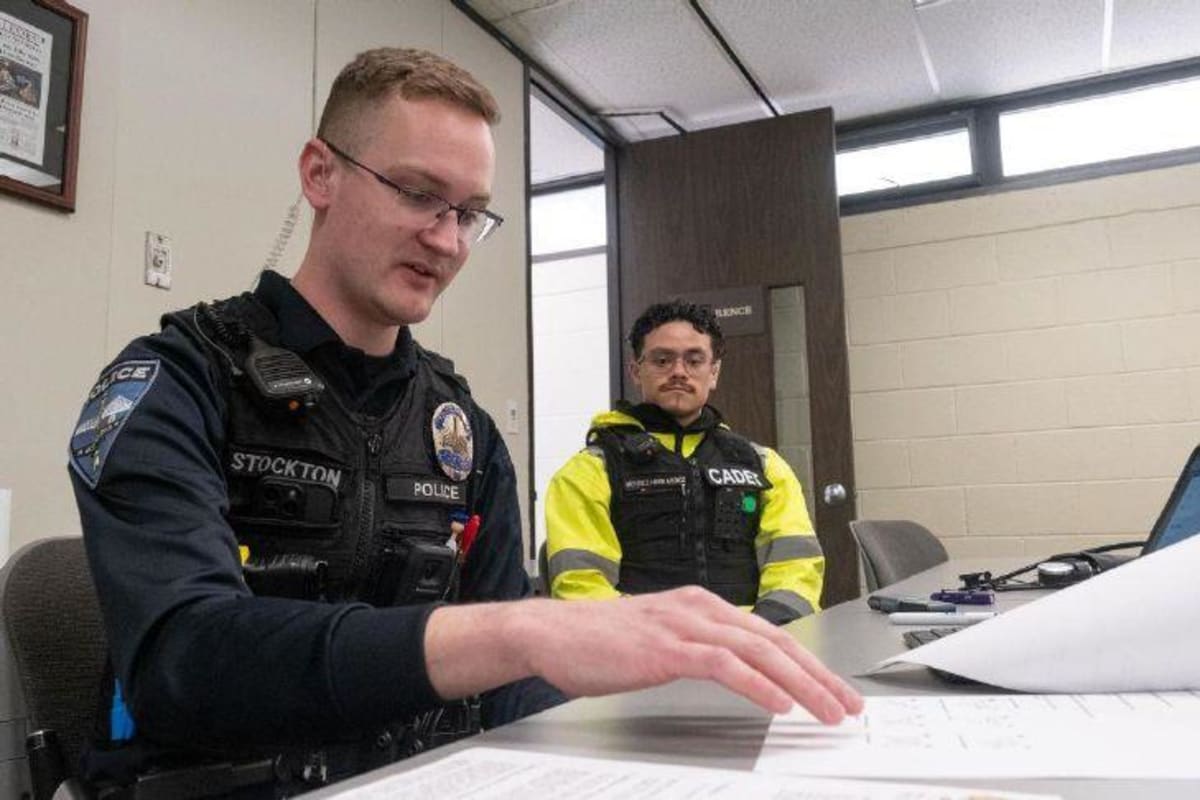
"Drug impaired driving is just way off the charts," said Astoria Police Officer Zach Stockton, who has participated in previous green labs.
The training works like this: volunteers, often local dispensary workers, answer questions while completely sober. Then they consume small amounts of marijuana in a separate room and return for the same questions plus field sobriety tests. The process repeats with increased consumption so officers can recognize escalating symptoms.
Ashley Gunn, a store manager at Sweet Relief dispensary in Astoria, volunteered for the program. She said the experience opened her eyes to cannabis effects she didn't realize were happening.
"Marijuana affects your body a lot more than you think," Gunn said. "You don't realize what marijuana is actually doing to your brain and your body."
Officers practice tests like checking for eyeball convergence and the modified Romberg test, which measures body awareness and internal clock perception. People high on marijuana and other depressants perceive time moving slower than sober people do.
The training doesn't teach new testing techniques. Instead, it helps officers apply existing skills to recognize cannabis impairment, which looks different from alcohol impairment.
The Ripple Effect
Shimer's decision to seek specialized training in Colorado and bring it back to Oregon is already making roads safer. The green lab model gives officers hands-on experience they can't get from textbooks or lectures alone.
"I see a lot of officers, troopers and deputies just not recognizing the cannabis impairment," Shimer said. His training fills that gap by showing them exactly what to look for during traffic stops.
The volunteers never actually drive during the training. They simply help officers build the skills to identify impaired drivers before those drivers hurt themselves or others on the road.
As drug-impaired driving continues rising, this practical training gives law enforcement the tools they need to keep communities safe.
Based on reporting by Google: volunteers help
This story was written by BrightWire based on verified news reports.
Spread the positivity!
Share this good news with someone who needs it