Oregon Protects Endangered Species Despite Federal Rollback
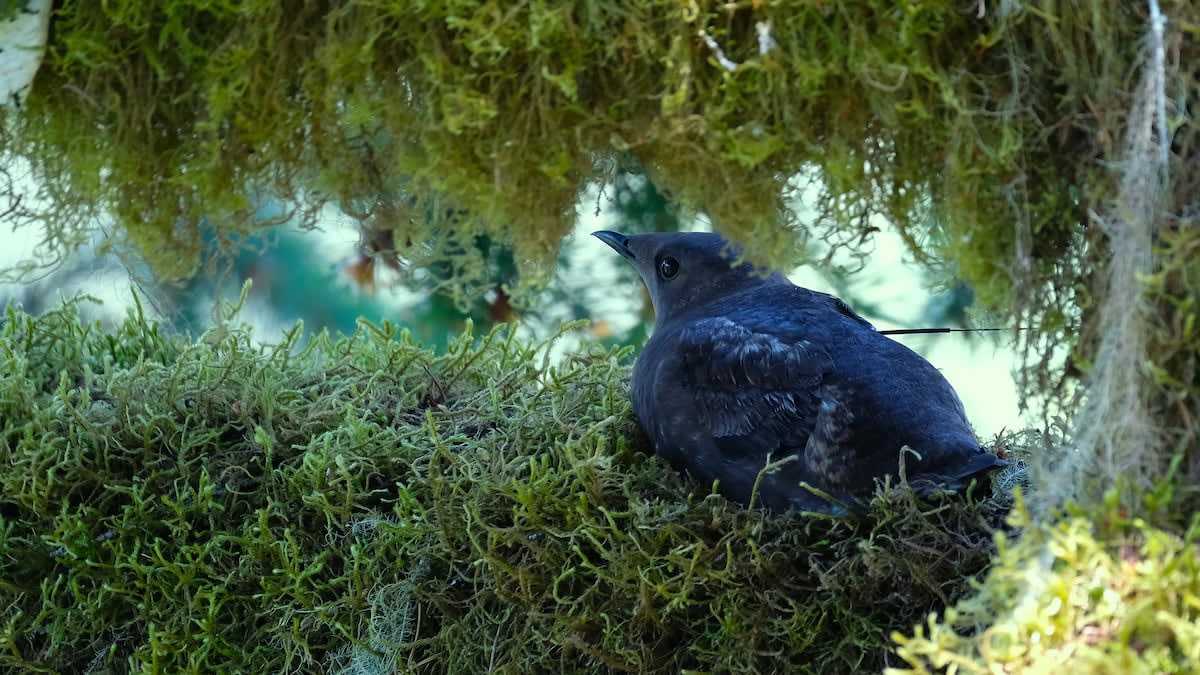
While the Trump administration weakens national protections for endangered species, Oregon is pushing forward with its own six-year conservation plan to save spotted owls and marbled murrelets. The state just approved a 70-year forest management plan that protects habitats on half of its 640,000 acres of state forests.
Oregon is choosing hope over hesitation when it comes to protecting endangered wildlife.
For more than six years, state land agencies, conservationists, and loggers have been working together on habitat conservation plans that protect Oregon's most sensitive ecosystems. Now, despite federal policy changes that could make their work obsolete, Oregon officials are moving full steam ahead.
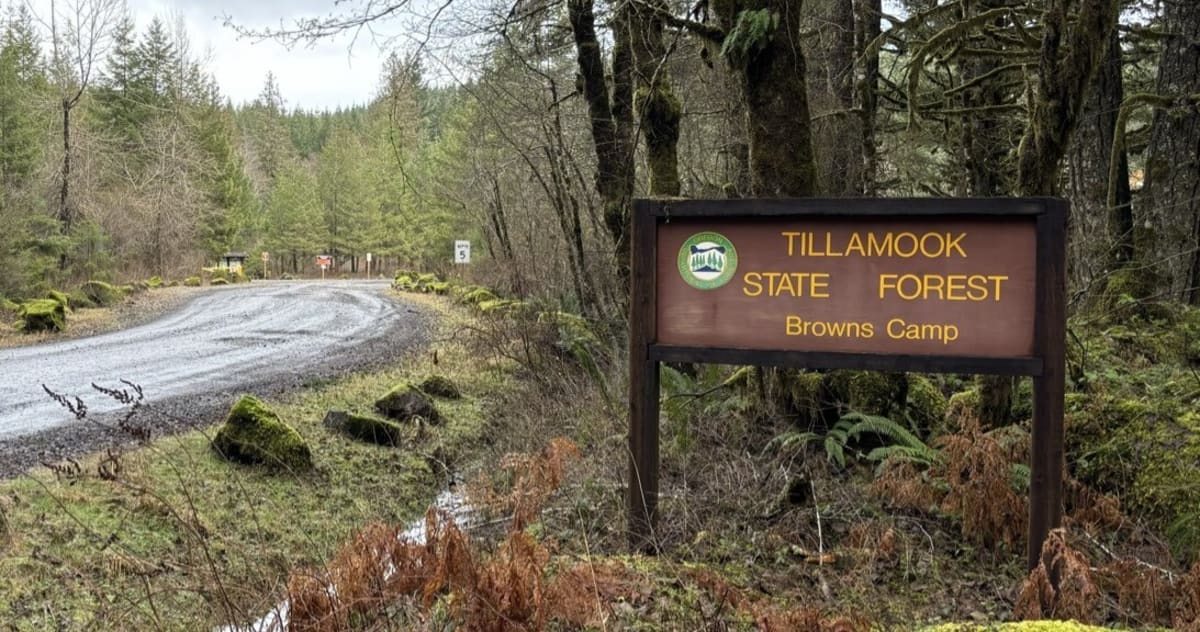
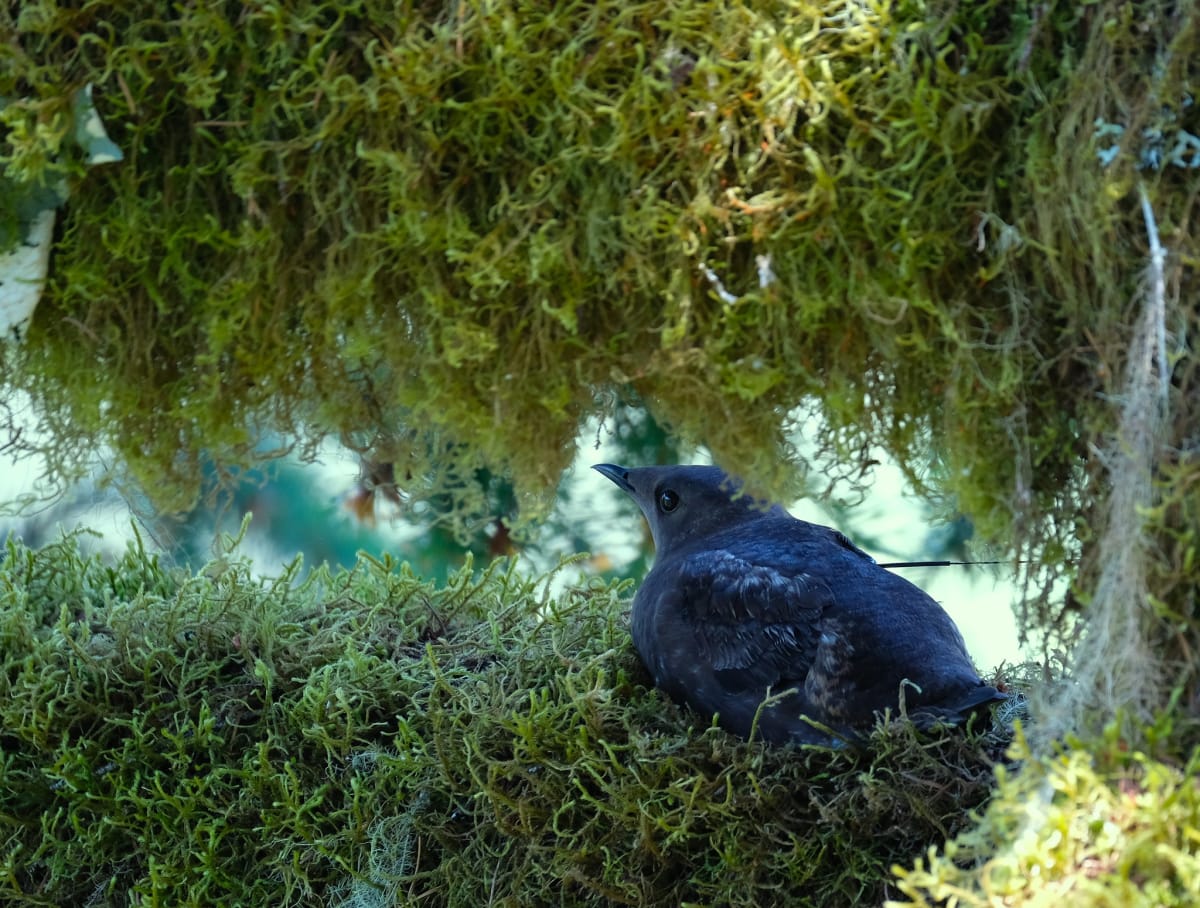
The state Board of Forestry just approved a new forest management plan covering 640,000 acres of state forests. The plan restricts logging and protects sensitive habitats on half of those lands for the next 70 years, specifically benefiting endangered marbled murrelets and spotted owls.
This decision comes as the Trump administration removed the definition of "harm" from the federal Endangered Species Act. Starting in September, projects could legally destroy critical habitats as long as they don't directly kill animals at that moment. For example, old-growth trees that marbled murrelets need for nesting could be cut down if no birds are actively nesting there.
"I think everybody who actually works in this environment on a day-to-day basis is just waiting to see how things play out," said Michael Wilson, Oregon Department of Forestry state forest division chief. "I don't see anybody taking any real drastic measures at this point."
Oregon has its own state Endangered Species Act, though it currently only applies to state-owned land. Governor Tina Kotek and multiple state agencies submitted comments last year opposing the federal changes, arguing that habitat destruction violates the original intent of the law.
The Ripple Effect
Oregon's choice to continue with conservation plans shows how states can step up when federal protections weaken. The collaborative approach brings together diverse groups who spent years finding common ground between economic needs and wildlife protection.
Conservation director Joe Liebezeit from the Bird Alliance of Oregon emphasized why this matters. "Habitat destruction and habitat fragmentation is the biggest cause of species decline," he said.
Multiple lawsuits from conservation groups and tribes are challenging the federal changes. Meanwhile, Oregon's habitat conservation plans could serve as a model for other states looking to protect endangered species within their borders, demonstrating that environmental progress doesn't have to wait for federal action.
Sometimes the most powerful conservation happens at the state level, where communities know their land and wildlife best.
More Images


Based on reporting by Google: species saved endangered
This story was written by BrightWire based on verified news reports.
Spread the positivity!
Share this good news with someone who needs it


