Oregon Sea Stars Stage Comeback After Devastating Die-Off
After a mysterious disease nearly wiped out sea stars along the Pacific coast, marine biologists are witnessing an unexpected baby boom. The resilient creatures are bouncing back in numbers that surprise even scientists who've studied them for decades.
After watching sea stars nearly vanish from Oregon's coast, marine biologist Bruce Menge is seeing something he never expected: thousands of baby sea stars carpeting the rocks where their parents once lived.
Menge has studied sea stars since the 1970s in Yachats, Oregon, treating them as a reliable constant in his research. The colorful ocean creatures seemed indestructible with no natural predators, the ability to regrow lost limbs, and prolific reproduction rates.
Then disaster struck. A mysterious wasting disease swept through Pacific coast waters, causing one of the largest marine die-offs ever recorded. Sea stars by the millions literally fell apart, their bodies disintegrating in a matter of days.
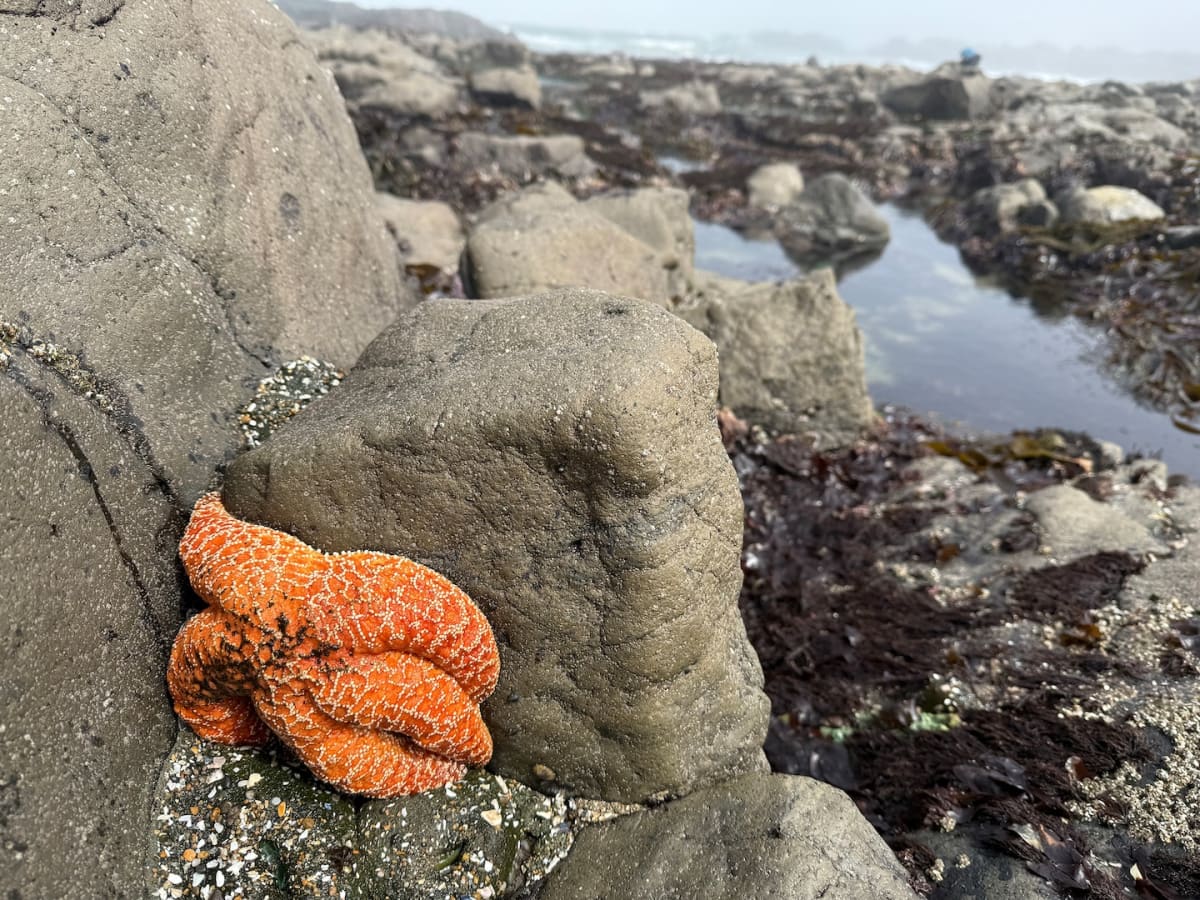
The loss devastated coastal ecosystems and left researchers like Menge wondering if they'd ever return. For years, the rocky tide pools remained eerily empty of the vibrant purple, orange, and ochre stars that once dominated them.
But nature had other plans. Recently, Menge and his team started noticing something remarkable during their regular monitoring visits. Tiny sea stars, no bigger than a fingernail, began appearing on the rocks.
The baby boom has grown beyond anyone's predictions. In some areas, juvenile sea stars now cover surfaces in densities higher than before the die-off. The next generation seems to be thriving where scientists feared the species might struggle to recover.
The Bright Side
This comeback story offers hope for ocean ecosystems facing multiple threats from disease to climate change. Sea stars play a crucial role in maintaining healthy tide pools by controlling mussel populations and creating space for diverse marine life to flourish.
Scientists still don't fully understand what caused the wasting disease or why it's subsiding now. However, the rapid recovery demonstrates the remarkable resilience built into marine ecosystems over millions of years of evolution.
Menge's decades of patient observation are now documenting something just as important as the die-off itself: proof that even seemingly catastrophic losses can reverse course. His research sites have become living laboratories showing how ocean life adapts and persists.
The baby boom gives coastal communities renewed hope that their beloved tide pool residents are here to stay.
More Images

Based on reporting by Google News - Science
This story was written by BrightWire based on verified news reports.
Spread the positivity!
Share this good news with someone who needs it