Oregon Utility Adds 1,000 MW of Solar Power by 2028
Portland General Electric just announced its largest renewable energy expansion ever, adding enough solar power and battery storage to meet a quarter of peak demand. The best part? It won't require expensive new transmission lines, keeping costs down for customers.
Oregon's largest investor-owned utility just made a massive bet on clean energy that will power hundreds of thousands of homes without breaking the bank.
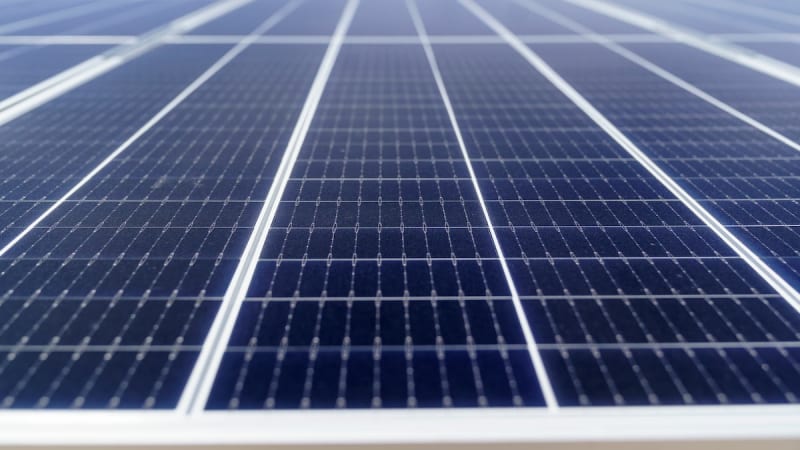
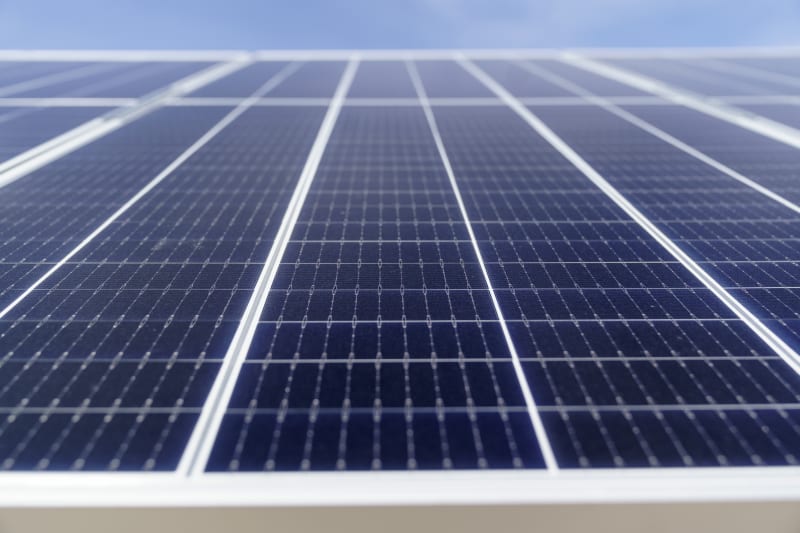
Portland General Electric announced it will add more than 1,000 megawatts of renewable energy and battery storage to its grid by the end of 2028. That's enough electricity to power a quarter of all the homes and businesses the utility serves on the hottest day of the year, when energy demand peaks.
The company will expand two existing solar farms in Sherman and Morrow counties, adding 400 megawatts of battery storage capacity to store that energy for when the sun isn't shining. PGE serves 950,000 customers across Oregon.
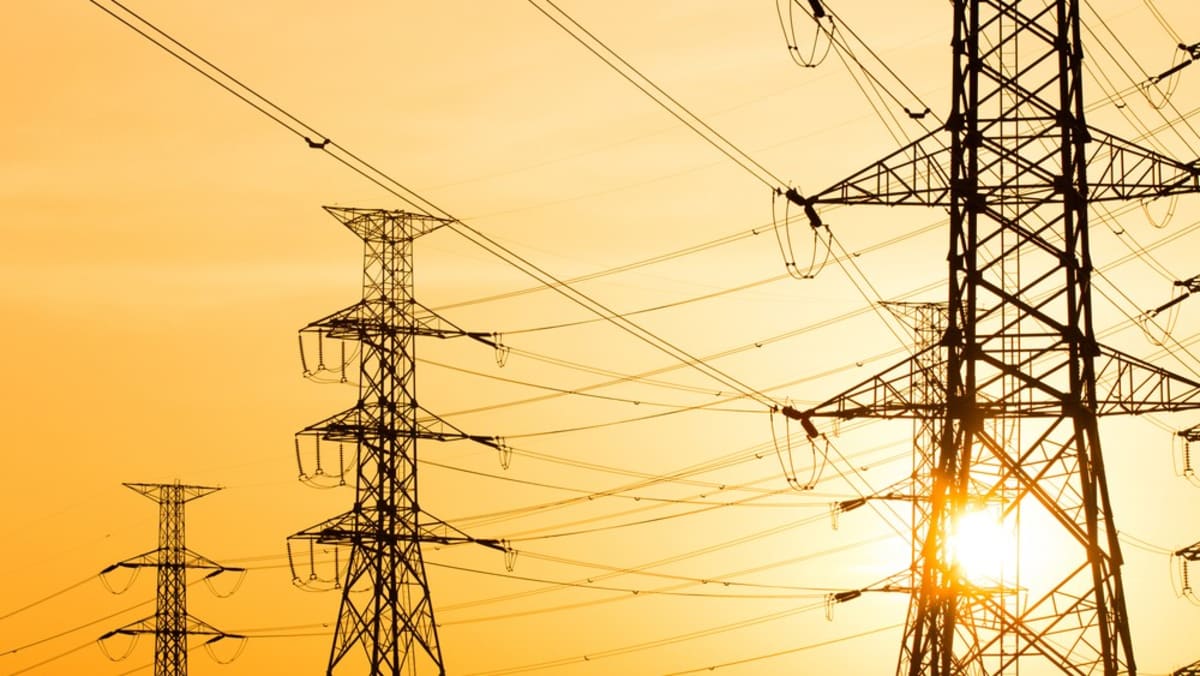
What makes this project special is how PGE is getting it done. Instead of building new solar farms from scratch, the utility is expanding projects that already exist, using transmission lines already in place.
"Those projects really are unique as we think about customer affordability because they rely on existing interconnection and transmission infrastructure," said Brett Greene, PGE's senior director of commercial initiatives. Building new transmission lines costs billions of dollars and can take decades to complete.
The timing couldn't be better. Three of the four projects will qualify for a 40% federal tax credit, while the fourth gets 30%. The Trump administration's changes to renewable energy tax credits tightened requirements and shortened timelines, but PGE managed to structure its projects to capture the incentives before they expire.
The expansion comes as Oregon faces growing electricity demand from data centers and home electrification, plus mounting pressure to meet state climate goals. Oregon requires utilities to eliminate 80% of carbon emissions from electricity by 2030 and reach zero emissions by 2040.
Greene says PGE is now very close to hitting that 2030 target on time, with plans to add even more renewable projects over the next four years.
The Ripple Effect
This investment shows how utilities can expand clean energy without the massive infrastructure costs that typically slow progress and spike customer bills. By maximizing existing sites instead of starting from scratch, PGE found a way to punch above its weight as a relatively small utility.
The approach could become a model for other utilities facing the same challenge: how to add renewable energy fast enough to meet climate goals while keeping electricity affordable. As battery storage technology improves and becomes more cost-effective, utilities can store solar power generated during the day for use during evening peak hours.
The strategy also helps Oregon catch up on climate benchmarks. An analysis last October warned the state would miss its 2035 greenhouse gas reduction goal by two years, partly due to data center growth and federal policy changes.
Now, with this major renewable energy push, Oregon has a real shot at staying on track.
More Images


Based on reporting by Google News - Wind Energy
This story was written by BrightWire based on verified news reports.
Spread the positivity!
Share this good news with someone who needs it