Oregon Volunteers Help 13,000 Whales Journey Home This Week
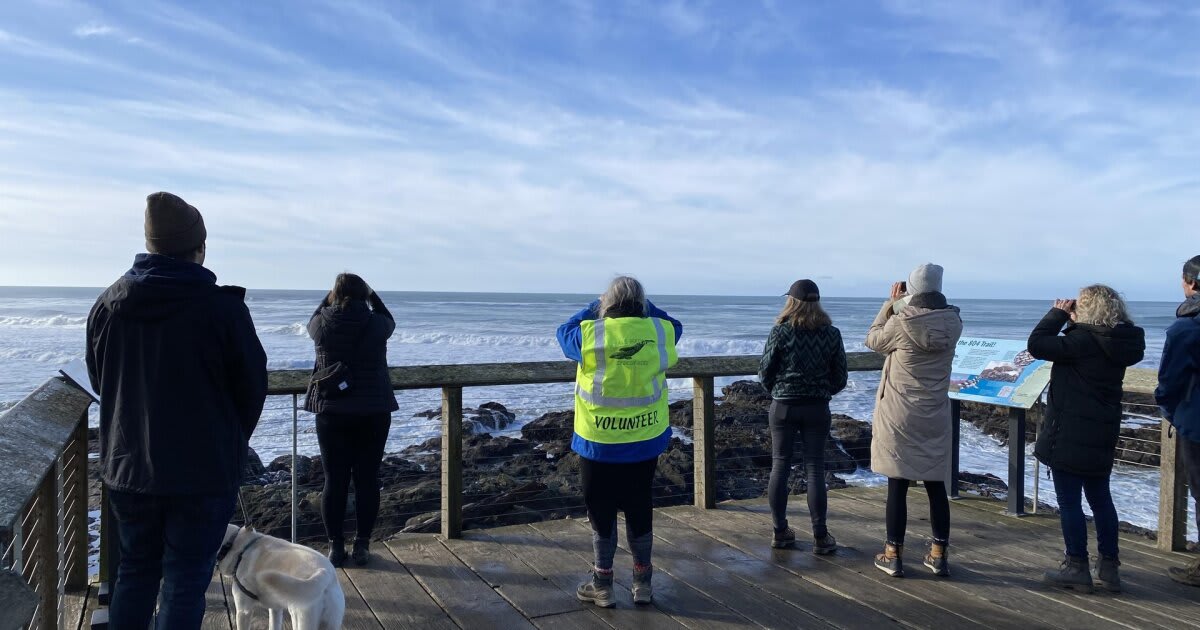
Trained volunteers are stationed at 15 scenic spots along Oregon's coast this week to help families spot migrating gray whale mothers and calves swimming from Mexico to Alaska. It's free, expert-guided whale watching during the annual spring migration.
This week, thousands of gray whale mothers are swimming 5,000 miles north with their newborn calves, and Oregon wants to make sure you don't miss the show.
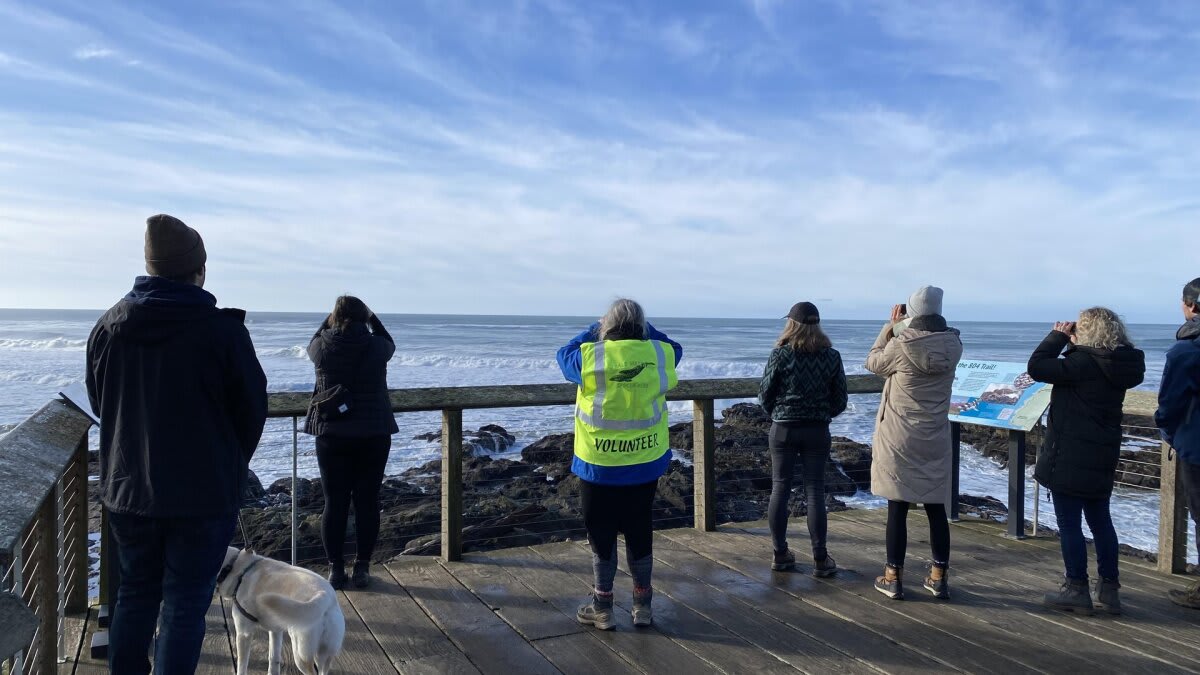
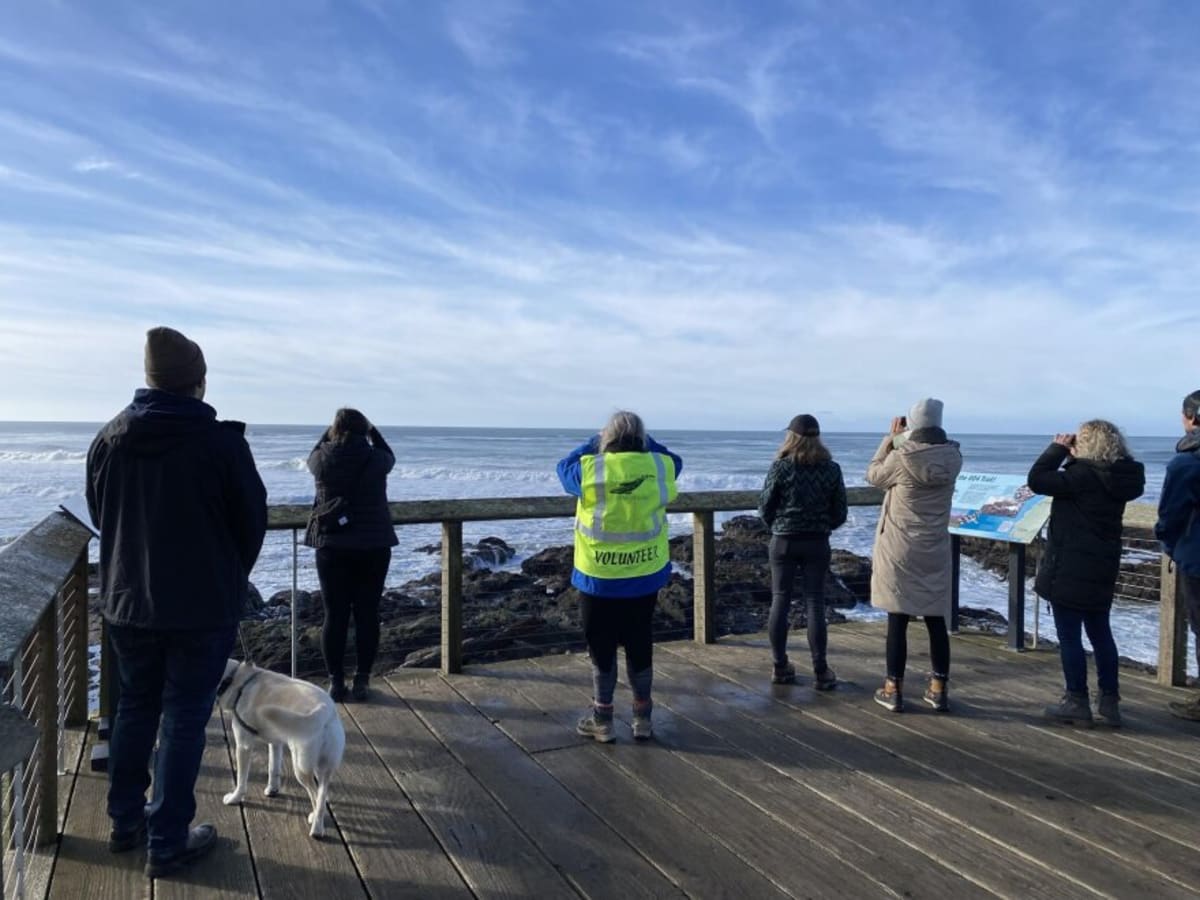
From March 21 through 29, trained volunteers will staff 15 viewing locations along the Oregon coast during Spring Whale Watch Week. They're bringing spotting scopes, expertise, and enthusiasm to help visitors witness one of nature's most remarkable journeys.
The timing couldn't be better. Spring break coincides with the migration, when an estimated 13,000 gray whales travel from the warm lagoons of Baja Mexico to their feeding grounds in Alaska. Mother whales make the journey with their calves, teaching them the route they'll travel for the rest of their lives.
Mike Baden with the Oregon Parks and Recreation Department says volunteers are ready for whatever Oregon weather brings. "The Oregon Coast can be a little unpredictable in springtime, you know, bring some rains or sometimes it can be nice and sunny," he said. "But our volunteers are going to be there and they're going to help you learn how to spot the whales."
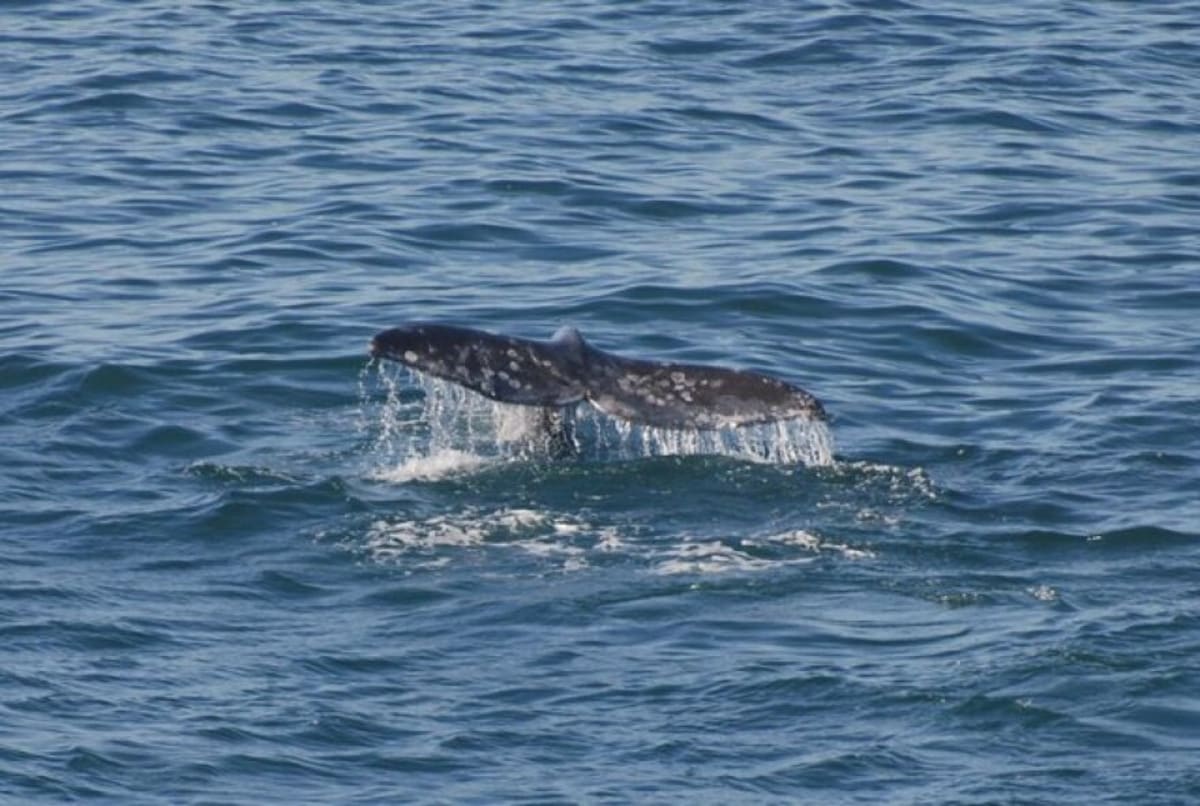
The volunteers know what to look for: the telltale spouts of mist when whales surface to breathe, the occasional tail fluke rising above the waves, and the dark shapes gliding through coastal waters. They'll point out the best viewing angles and share facts about these remarkable marine mammals.
If you're planning to go, Baden recommends bringing binoculars. The volunteers will have spotting scopes available, but having your own pair means you won't miss a moment when someone spots a whale.
Why This Inspires
These volunteers are doing more than pointing out whales. They're connecting people to the natural world in a moment when that connection matters deeply. Every person who watches a mother whale guide her calf north becomes part of the story of conservation and recovery.
Gray whale populations faced near extinction from commercial whaling, but protection efforts helped them recover. While recent population estimates show the lowest numbers since the 1970s, the fact that 13,000 whales are making this journey represents decades of successful conservation work.
The volunteers themselves represent something equally hopeful: people choosing to spend their spring break sharing wonder with strangers. They're proof that expertise, generosity, and enthusiasm can create moments of joy for entire communities.
Whether you're a local or visiting from out of state, you have a front-row seat to one of Earth's great migrations, guided by people who simply want to share what they love.
More Images

Based on reporting by Google: volunteers help
This story was written by BrightWire based on verified news reports.
Spread the positivity!
Share this good news with someone who needs it