Oregon Volunteers Restore Beaver Habitats After Wildfires
After Oregon's worst wildfire season destroyed summer restoration projects, volunteers are racing to rebuild beaver habitats that protect landscapes from future fires. These nature engineers create wetlands that literally save wildlife when flames approach.
When Oregon's most destructive wildfire season on record forced Think Wild to cancel their summer beaver restoration work, they turned to an army of volunteers to help nature's best firefighters make a comeback.
The Beaver Works Oregon program is now mobilizing volunteers across Central and Eastern Oregon this fall to make up for lost time. They're building structures that mimic beaver dams, planting willows and cottonwoods, and surveying streams to track where beavers live and where they could return.
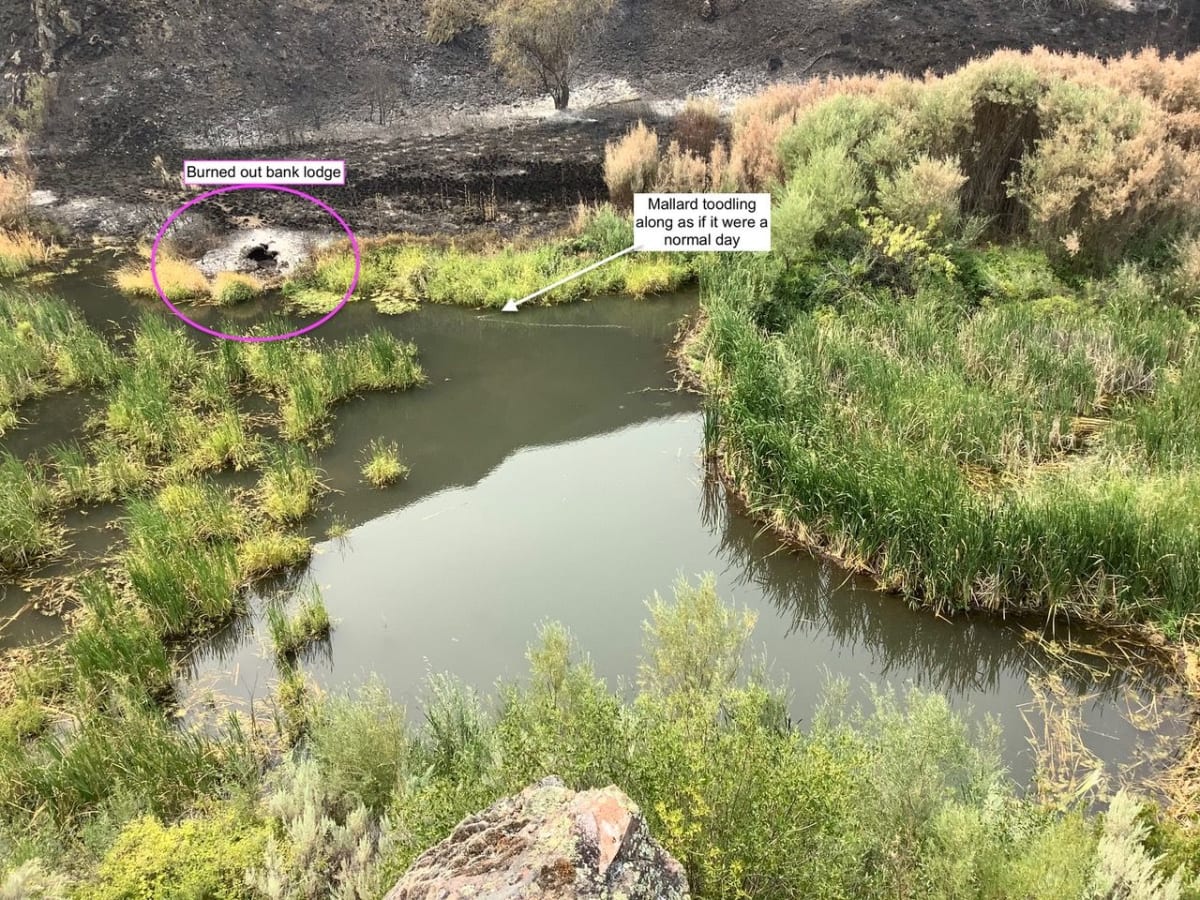
The timing couldn't be more critical. Beavers slow and store water, reconnect streams with floodplains, and create wetland habitats that keep Oregon wetter and more fire-resistant. When wildfires sweep through, the soggy havens beavers create become literal safe zones for wildlife.
"Beavers are powerful agents of landscape change," said Dr. Maureen Thompson, Think Wild's Director of Conservation. "They quite literally provide safe haven for other animals as the fire passes through their home."
Oregon now officially recognizes beavers as a keystone species and "nature's engineer." State law acknowledges their role in increasing water quality and quantity, decreasing wildfire risk, and helping landscapes recover from climate impacts.
The Ripple Effect
The volunteer projects create benefits that reach far beyond individual streams. When volunteers build Beaver Dam Analogs in areas where beavers have disappeared, they jumpstart the restoration process. Native plants provide food and building materials for returning beavers. Stream surveys help identify the best spots for future restoration work.
No experience is required for most projects. Some expeditions venture deep into the Malheur National Forest for dam building, while other days welcome families learning to identify beaver signs like chewed trees, tracks, and lodges along local waterways.
"We have opportunities for a wide range of interests and abilities," said Emily Sullivan, Think Wild's Volunteer Coordinator. "You can bring friends, learn something new, spend time outside, and directly contribute to healthier wildlife habitat and a more fire-resilient region."
The fall schedule runs through October, with projects including beaver research trips, native plant stewardship at Crooked River Park, family-friendly survey days, and willow planting along Eightmile Creek.
Every volunteer hour helps Oregon build the kind of landscapes that can withstand what climate change throws their way, one beaver pond at a time.
More Images




Based on reporting by Google: volunteers help
This story was written by BrightWire based on verified news reports.
Spread the positivity!
Share this good news with someone who needs it