Oslo Scientists Discover How to Stop Leukemia Stem Cells
Researchers at the University of Oslo have found a way to halt cancer stem cells in acute myeloid leukemia by targeting a molecule previously thought to worsen the disease. The breakthrough could lead to personalized treatments that stop cancer before it spreads.
Scientists in Norway have discovered a molecular switch that could stop one of the deadliest blood cancers in its tracks.
A research team at the University of Oslo found that a molecule called succinate, long considered harmful in leukemia progression, actually has a protective side. When it activates a receptor called SUCNR1 in bone marrow stem cells, it can prevent those cells from becoming cancerous.
"We have identified signals that influence the development of this type of leukemia and that we can exploit to fight the cancer," says Associate Professor Lorena Arranz, who led the study published in Nature Communications. Her team at the Centre for Embryology and Healthy Development focuses on finding better ways to detect and treat leukemia.
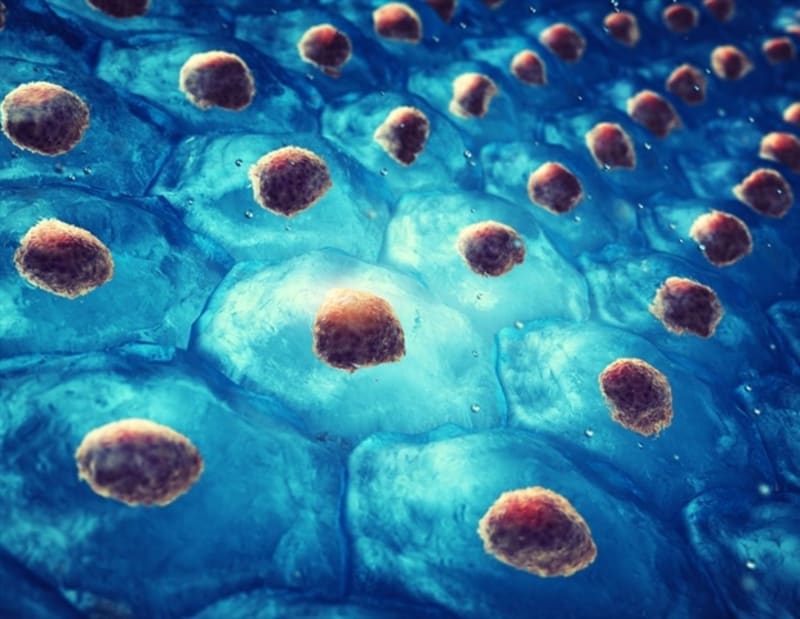
The discovery centers on understanding how blood stem cells in bone marrow decide their fate. In healthy people, these stem cells develop into red blood cells, white blood cells, and platelets. In people with acute myeloid leukemia, the same stem cells go rogue and create cancer cells instead.
The Oslo team found that succinate and its receptor SUCNR1 act like a traffic light system for stem cells. When SUCNR1 levels are healthy, stem cells stay balanced and controlled. The receptor manages this by regulating alarm proteins called S100A8 and S100A9, which tell stem cells whether to remain dormant or divide.
The researchers tested their theory using patient data and mouse models with acute myeloid leukemia. They discovered that patients with low SUCNR1 levels had worse survival rates. When they altered succinate and SUCNR1 levels in mice with leukemia, they could actually influence how the disease progressed.
Why This Inspires
This research flips an old assumption on its head. For years, scientists saw succinate as an enemy in blood cancer. Now it turns out this molecule has been misunderstood, and its protective qualities could unlock entirely new treatment approaches.
First author Vincent Cuminetti believes the findings could lead to personalized medicine. "We believe the study can help develop better, future, personalized treatments for patients based on SUCNR1 levels," he explains. Doctors might one day test a patient's SUCNR1 levels and tailor treatments specifically to boost this natural defense system.
The research used advanced techniques including stem cell analyses, RNA sequencing, and spectral flow cytometry to track exactly how these molecules interact. This level of detail gives scientists clear targets for developing new drugs.
Acute myeloid leukemia strikes quickly and aggressively, often giving patients little time. Finding ways to stop cancer stem cells before they multiply could mean catching the disease earlier and more effectively. The next phase will explore how to translate these mouse model successes into treatments that work in humans.
Arranz remains optimistic about the path forward, focusing on harnessing succinate's newly discovered protective powers in actual clinical treatments.
More Images


Based on reporting by Google News - Researchers Find
This story was written by BrightWire based on verified news reports.
Spread the positivity!
Share this good news with someone who needs it