Outback Driving Course Saves Teen Lives in WA Goldfields
A new defensive driving program in remote Australia is teaching teens the specialized skills needed to survive outback roads, where half of the region's fatal crashes happen. The community-created course addresses unique hazards like road trains, wildlife, and long-distance driving that standard licensing doesn't cover. #
When driving instructor Tom Hart thinks about why he teaches defensive driving, he remembers the two teenage boys who died on a country road near Kambalda in 1999. As a police officer, he had to tell their parents what happened.
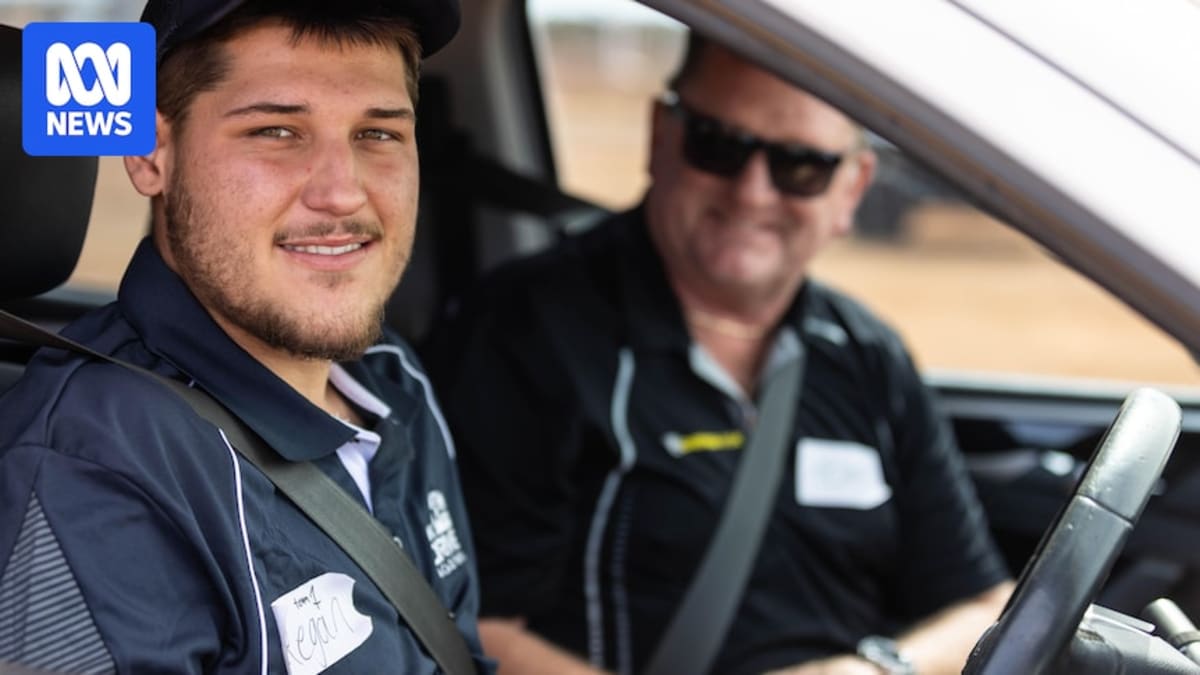
Now he's making sure today's teens have a better chance. Last week, Hart taught 30 teenagers in Kalgoorlie-Boulder the skills that could save their lives on Australia's unforgiving outback roads.
The course tackles a dangerous reality. Of Western Australia's 64 road fatalities this year, 32 happened on country roads. For young drivers in remote areas, getting a license often means immediately driving 600 kilometers to Perth through conditions their driving test never prepared them for.
"The first thing people do when they get their licence is jump in the car and drive 600km to Perth, and there is a unique set of challenges," said John Bruce, whose community fishing crew developed the program. Road trains, fatigue, nighttime animal crossings, and deteriorating road surfaces create hazards city drivers never face.
Seventeen-year-old Regan Wiese joined just months after getting his provisional license. "You learn the stopping distance for an emergency stop and how to control the car properly," he said. The course taught him to handle dirt and gravel surfaces in controlled conditions before he encountered them alone on remote highways.
The program fills a critical gap that standard licensing can't address. Students practice emergency braking on dirt roads, learn to spot hazards specific to mining regions with heavy road train traffic, and build skills for the marathon drives that define outback life.
The Ripple Effect
The community-driven solution is already influencing state policy. This week, Western Australia announced major changes to its licensing system, increasing supervised driving hours from 50 to 80 and extending learner and provisional periods.
The government recognized what remote communities already knew: more time doesn't help if drivers aren't learning the right skills. While some eastern states require 120 supervised hours, Assistant Transport Minister Jessica Stojkovski acknowledged that "requiring some of our remote and regional learners to do 120 hours is just not feasible."
The defensive driving course offers something better than more hours. It offers the exact skills young outback drivers need, created by people who understand their roads. Other regional communities are already asking how they can replicate the program.
For Hart, every student who completes the course represents families who won't get that devastating knock on the door he once had to deliver.
#
More Images


Based on reporting by ABC Australia
This story was written by BrightWire based on verified news reports.
Spread the positivity!
Share this good news with someone who needs it