Owl Gets Feather Transplant After Concrete Mixer Rescue
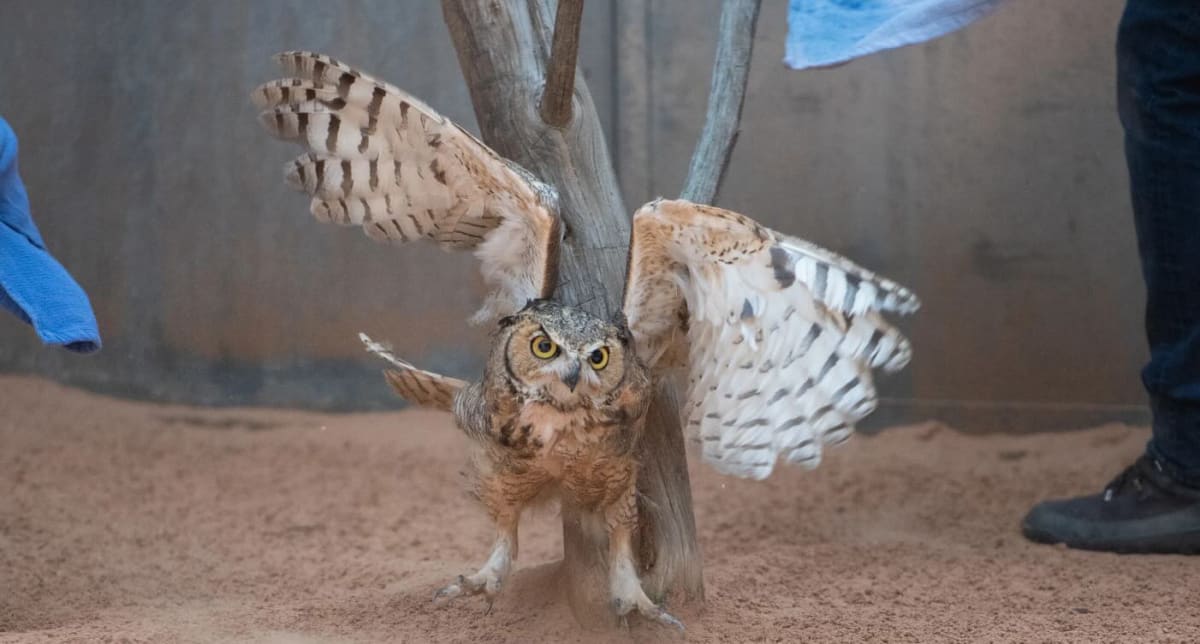
A young great horned owl trapped in a concrete mixer has returned to the wild after a Utah sanctuary performed its first-ever feather transplant surgery. The 90-minute procedure restored the owl's silent flight, a survival skill it needs to hunt.
📺 Watch the full story above
A great horned owl found covered in concrete is soaring through Utah skies again after an innovative rescue that pushed veterinary boundaries.
The young owl's ordeal began in October when someone discovered him stuck in a concrete mixer in St. George, Utah. A good Samaritan called Best Friends Animal Society, whose wildlife refuge team drove 80 miles from Kanab to help.
Removing the dried concrete was just the beginning. The Wild Friends team quickly realized the hardened material had damaged the owl's flight feathers beyond natural repair. Without those pristine feathers, the owl couldn't achieve silent flight, which is essential for hunting prey in the wild.
The team hoped the owl would molt naturally and grow replacement feathers. But when spring arrived and the expected molt didn't happen as predicted, they knew they had to act. They decided to try imping, a delicate procedure where donor feathers are surgically attached to damaged ones.
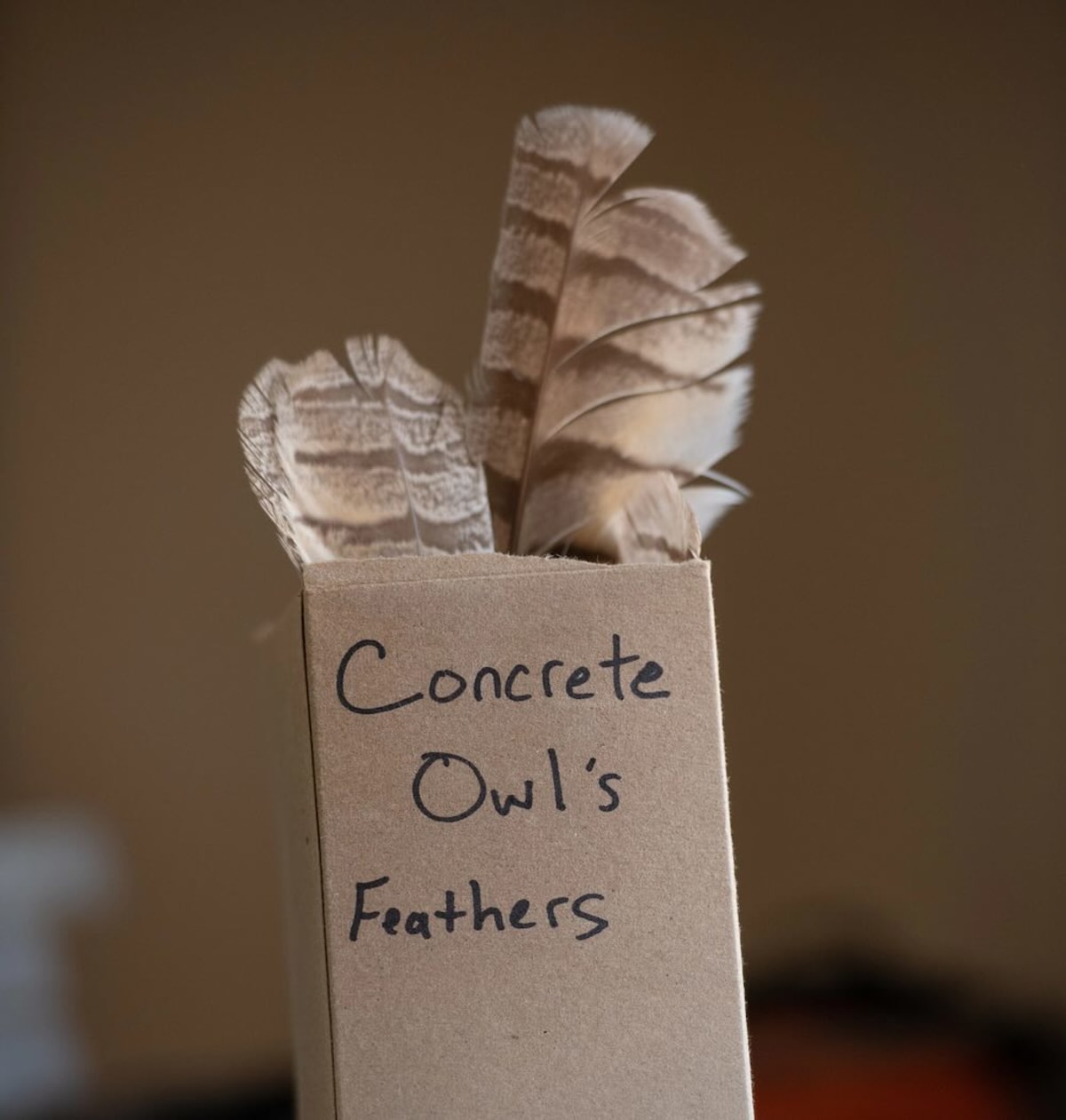
Finding the right feathers took luck and coordination. A northern Utah wildlife rescue donated feathers from a great horned owl of similar size that had recently died. Supervisor Bart Richwalski spent weeks tracking the owl's feather patterns to prepare for surgery.
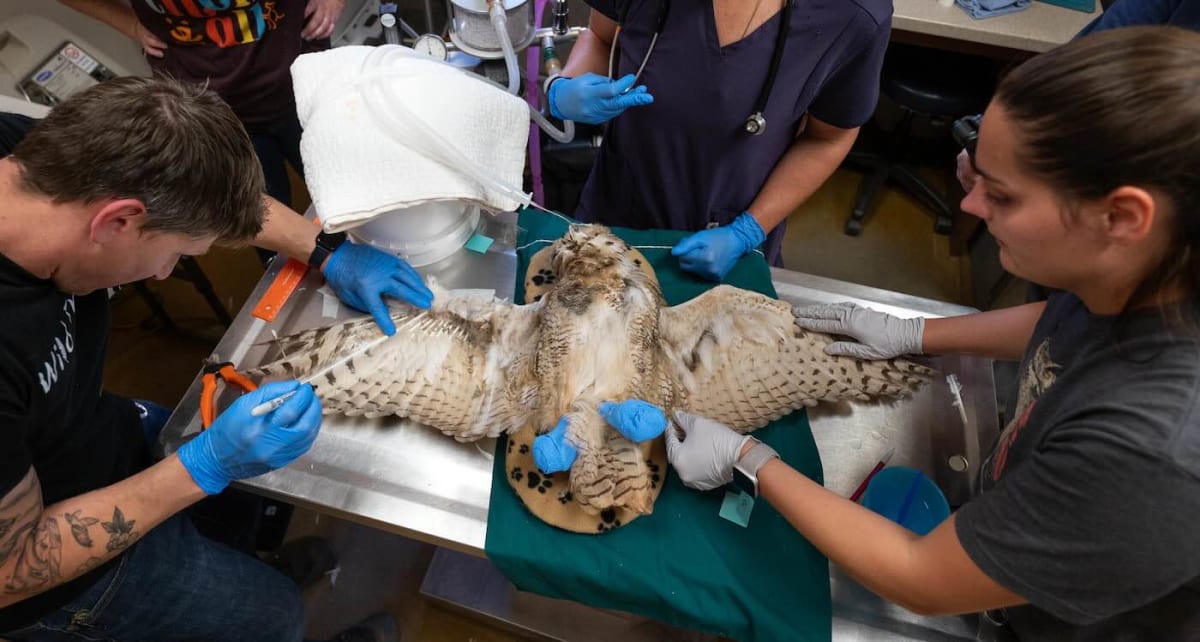
On May 1, the team performed their first imping procedure. Veterinarian Kelsey Paras and three Wild Friends staff members worked for 90 minutes while the owl was under anesthesia. They replaced 10 primary feathers and one secondary feather in the right wing. The left wing needed no repairs.
"The first few feathers were extremely nerve-wracking, but as we got into the groove, the imping became more comfortable," Richwalski said. The transplanted feathers will fall out naturally during future molts, gradually replaced by the owl's own new growth over several years.
Sunny's Take
Before releasing the owl, the team had to confirm the surgery worked. Richwalski used a decibel reader to measure the sound of the owl's wingbeats as it flew around the aviary. Once he confirmed the flight was quiet enough for hunting, they knew it was time.
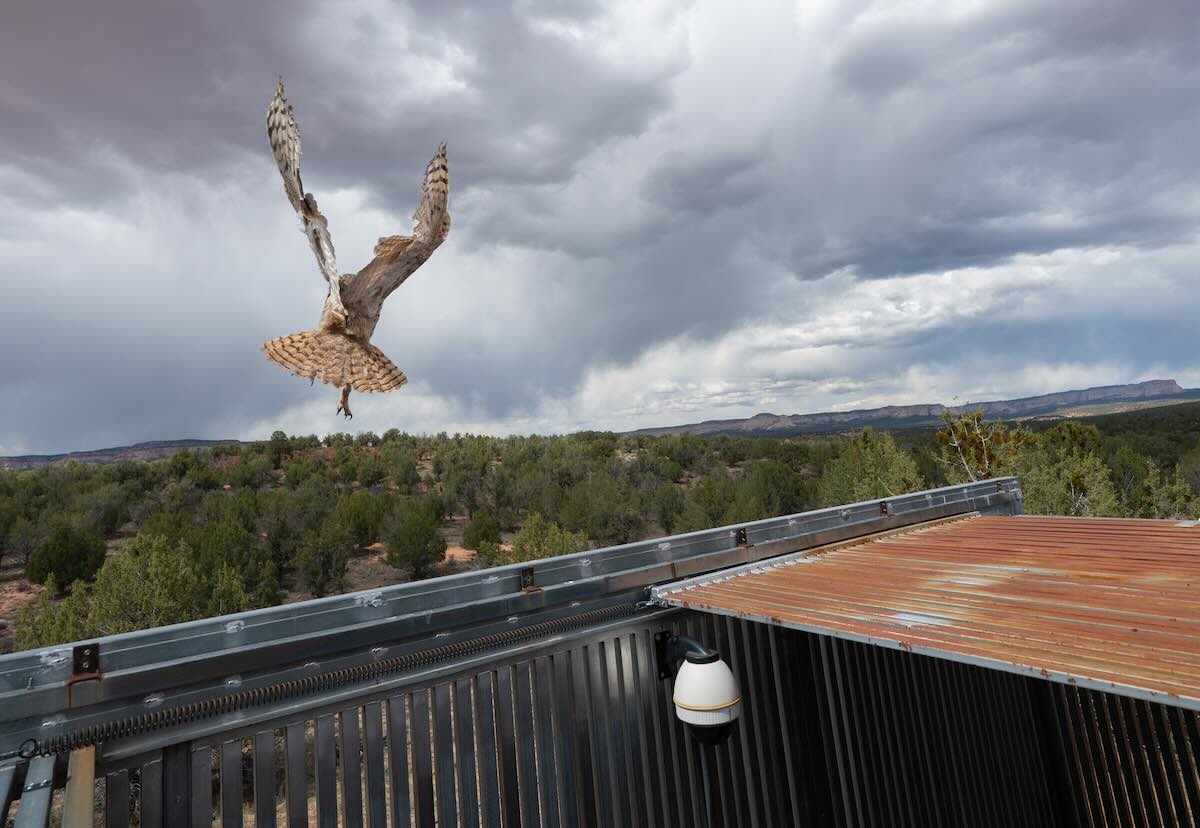
As the aviary roof retracted, the owl hovered briefly before shooting straight up into the sky. Richwalski, who had cared for the bird for six months, finally exhaled. "I don't know that my heart was beating until I saw him leave," he said.
The rescue demonstrates Best Friends Animal Society's commitment to every creature, no matter how complex the care required.
More Images

Based on reporting by Good News Network
This story was written by BrightWire based on verified news reports.
Spread the positivity!
Share this good news with someone who needs it