Oxford Returns 39 Naga Ancestors After 100+ Years
Oxford University's Pitt Rivers Museum is sending home the remains of 39 Naga ancestors taken during colonial rule, ending a century-long separation. The repatriation follows years of partnership with Naga communities working to bring their ancestors back to northeast India.
After more than 100 years away from their homeland, 39 Naga ancestors are finally going home from Oxford University's Pitt Rivers Museum.
The museum agreed to return the remains to the Naga community in northeast India following negotiations that began with a formal claim in February 2026. The Naga people requested the return of 40 sets of ancestral remains, and Oxford approved 39 of them after determining clear provenance.
Most of these remains arrived at the museum between 1910 and 1940, brought by colonial administrators John Henry Hutton and James Philip Mills. The museum itself acknowledges these weren't friendly donations. "Remains and objects were frequently confiscated during punitive military expeditions, rather than freely given," the museum states on its website.
Professor Laura Van Broekhoven, the museum's director, called the process "humbling." "I feel honoured that we walked alongside our partners to find the path to return for these 39 Naga ancestors, who have been away from their homeland for far too long," she said.
The museum has been working closely with Naga representatives to plan a handover ceremony. After the ceremony, a Naga delegation will accompany their ancestors on the journey home.
The Ripple Effect
This return means far more than the physical journey of remains across continents. The Forum for Naga Reconciliation and other Naga organizations explained it beautifully: "Repatriation, for the Nagas, is not simply about bones and ancestral remains finding their way back to the land but importantly about memory returning to where it belongs."
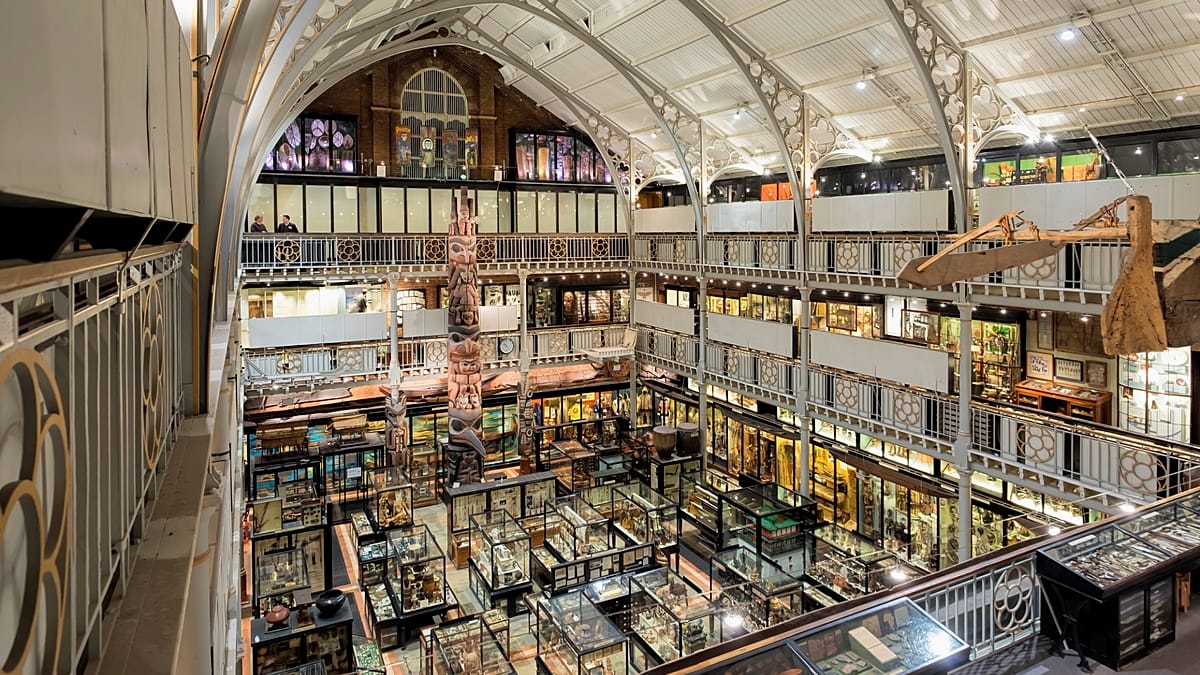
The Pitt Rivers Museum holds the world's largest collection of Naga material, including thousands of objects. The museum removed all human remains from public display in 2020, signaling a broader shift in how institutions handle colonial collections.
This homecoming joins a growing movement of museums worldwide returning artifacts and remains taken during colonial times. Each return acknowledges historical wrongs while restoring dignity and healing to communities separated from their ancestors and cultural heritage.
After a century of waiting, 39 Naga ancestors are finally returning to the land where they belong.
More Images


Based on reporting by Euronews
This story was written by BrightWire based on verified news reports.
Spread the positivity!
Share this good news with someone who needs it