Oyo State Acts Fast After Lassa Fever Case Confirmed
After confirming a Lassa fever case, Oyo State's health team jumped into action with contact tracing, safety monitoring, and public education to protect residents. Officials say the preventable and treatable disease is under control with early detection systems now on high alert.
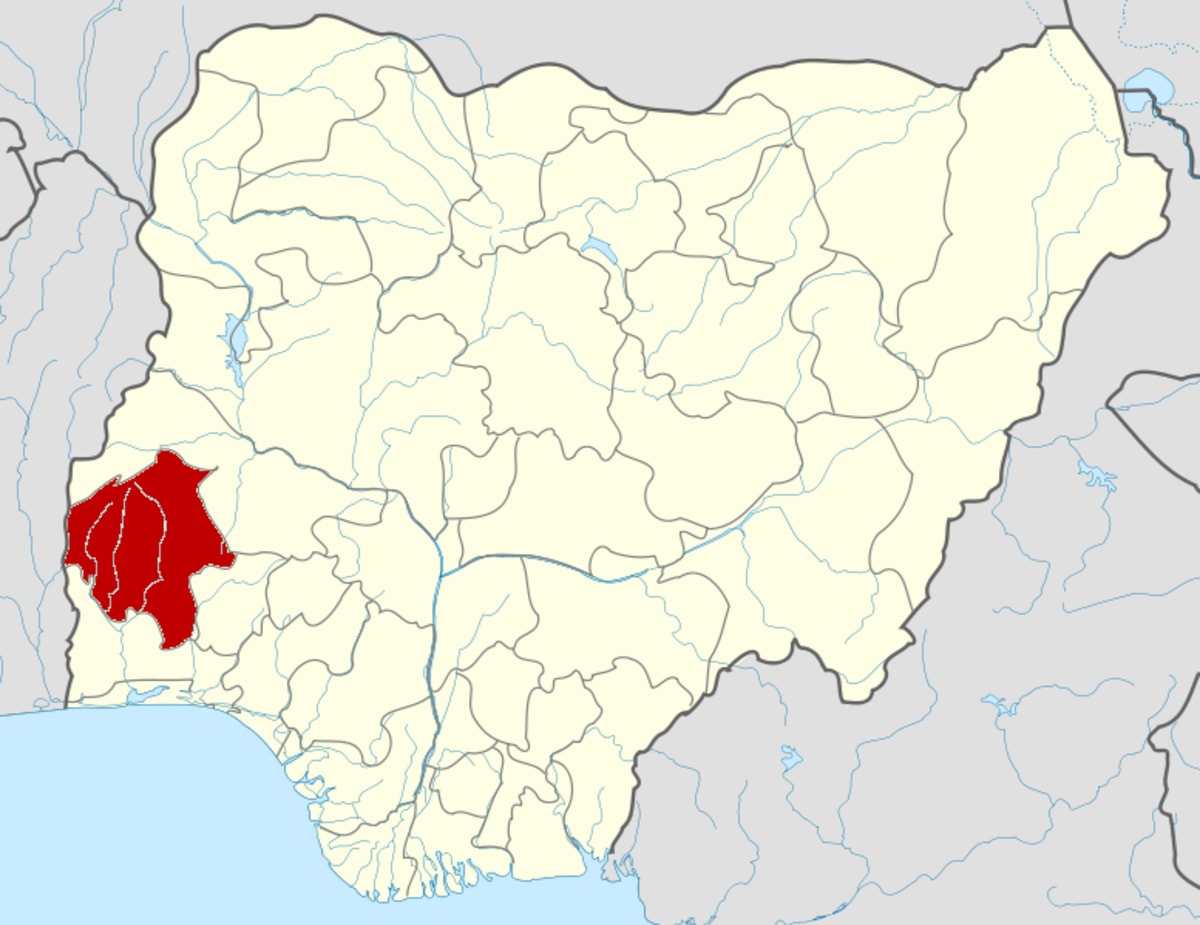
When Oyo State confirmed its first Lassa fever case this month, health officials didn't wait to respond.
The case involved a 44-year-old woman treated at University College Hospital in Ibadan who sadly passed away on April 11. Laboratory confirmation came two days later, and the state immediately activated its emergency response system to protect the community.
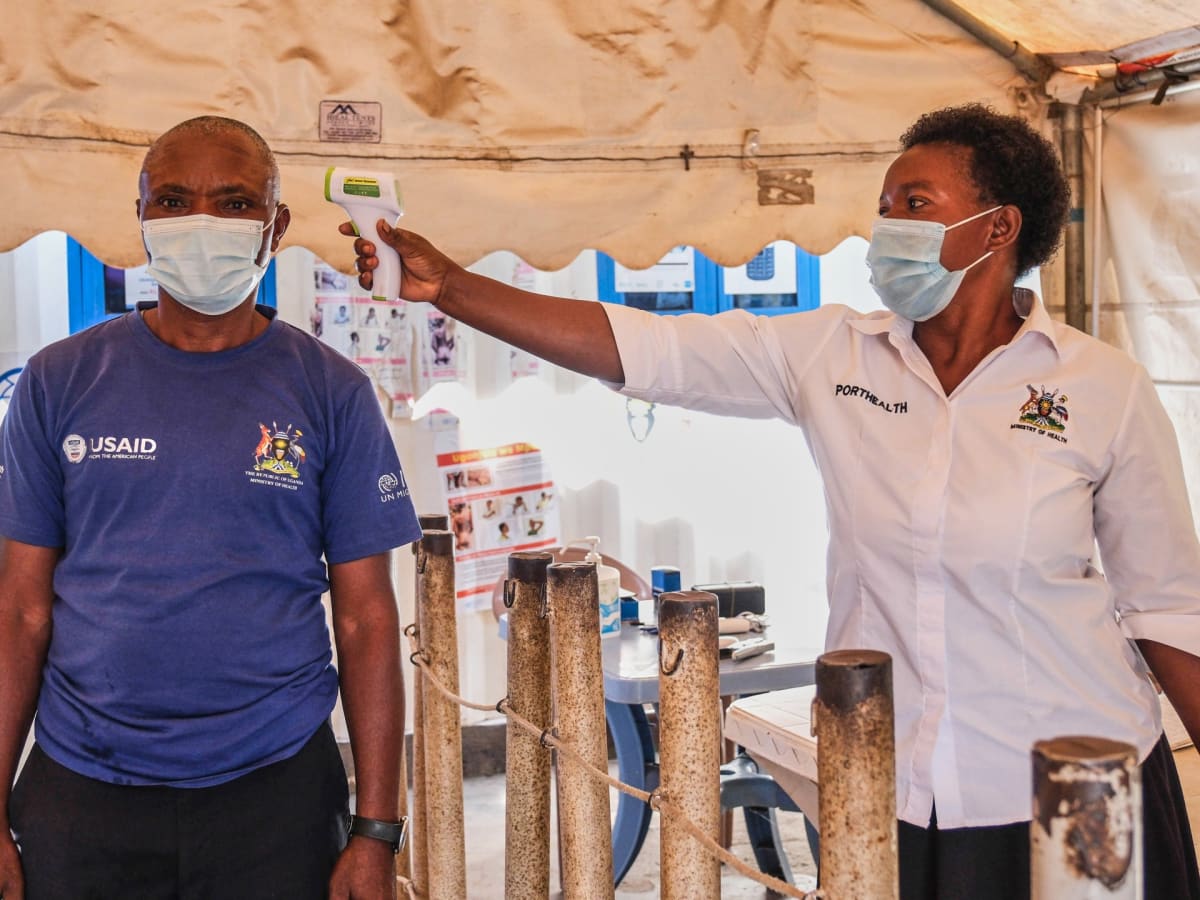
Health Commissioner Oluwaserimi Ajetunmobi announced that the government launched its Incident Management System to coordinate all response activities. Teams quickly identified and began monitoring everyone who had contact with the patient, ensuring a safe burial was conducted with dignity.
The state placed all health facilities on high alert and intensified disease surveillance across the region. Two emergency hotlines (08033742052 and 08025245809) now stand ready for anyone experiencing symptoms.
Lassa fever spreads through contact with food or household items contaminated by infected rodents, primarily through their urine or feces. Person-to-person transmission can occur through bodily fluids, especially in healthcare settings without proper precautions.
The good news? Early treatment dramatically improves survival rates, and simple prevention steps work.
Officials are urging residents to keep homes clean, store food in sealed containers, and dispose of waste properly. Sealing holes where rodents enter homes makes a real difference in prevention.
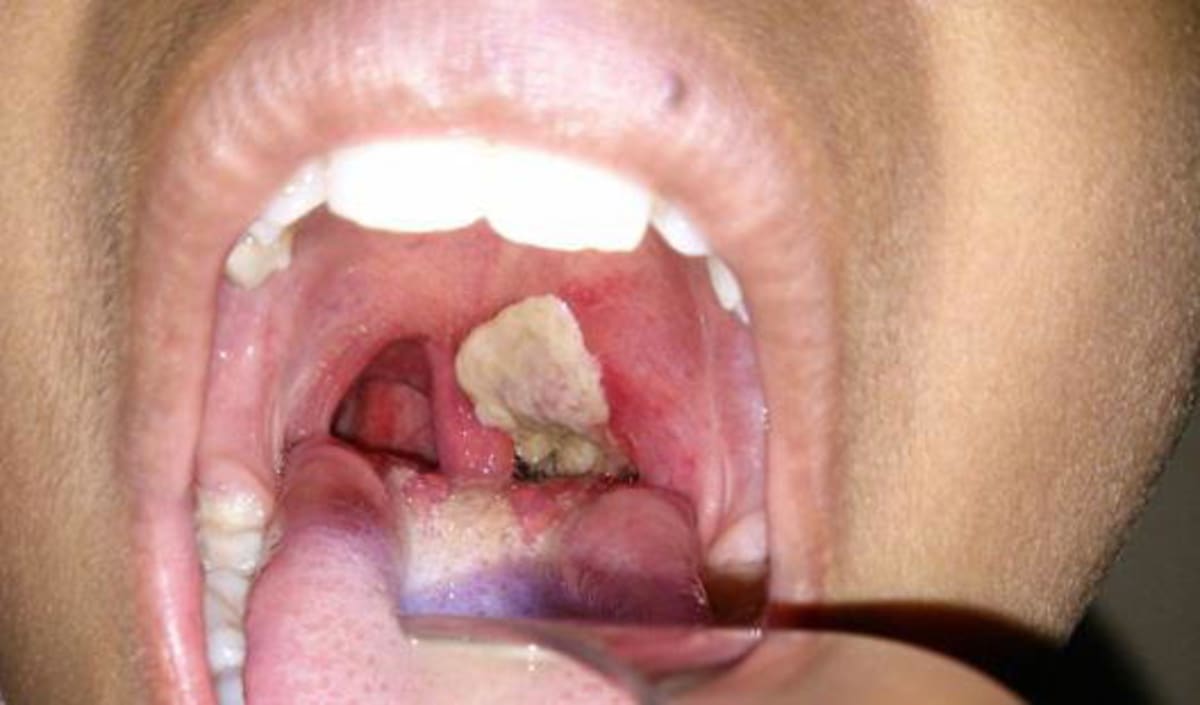
Warning signs include persistent fever, extreme fatigue, sore throat, vomiting, diarrhea, and unexplained bleeding from gums, nose, or other areas. Chest pain or breathing difficulty also warrant immediate medical attention.
The Bright Side
While losing any life to illness is tragic, Oyo State's swift response shows how prepared health systems save communities. The emergency protocols activated within hours, not days, demonstrate months of planning paying off when it matters most.
Healthcare workers across the state are following strict infection control protocols, and the coordinated effort between hospitals, government agencies, and community stakeholders creates multiple safety nets. Residents now have clear information about symptoms, prevention methods, and exactly who to call if concerned.
The emphasis on early detection and treatment offers real hope. Commissioner Ajetunmobi stressed that when caught early, Lassa fever responds well to treatment, transforming a frightening diagnosis into a manageable medical situation.
Communities practicing the recommended hygiene measures create safer environments for everyone, turning individual actions into collective protection.
More Images



Based on reporting by Premium Times Nigeria
This story was written by BrightWire based on verified news reports.
Spread the positivity!
Share this good news with someone who needs it