Oyo State Digitizes Land Titles, Cuts Wait Times for Owners
A Nigerian state transformed its frustrating land ownership process into a streamlined digital system, making it easier for residents to prove they own their property. The reform also helped local governments resolve leadership disputes and improve services across more than 30 communities.
For years, getting official proof of land ownership in Oyo State, Nigeria meant navigating a maze of paperwork, long waits, and uncertain outcomes that discouraged investment and left residents in limbo.
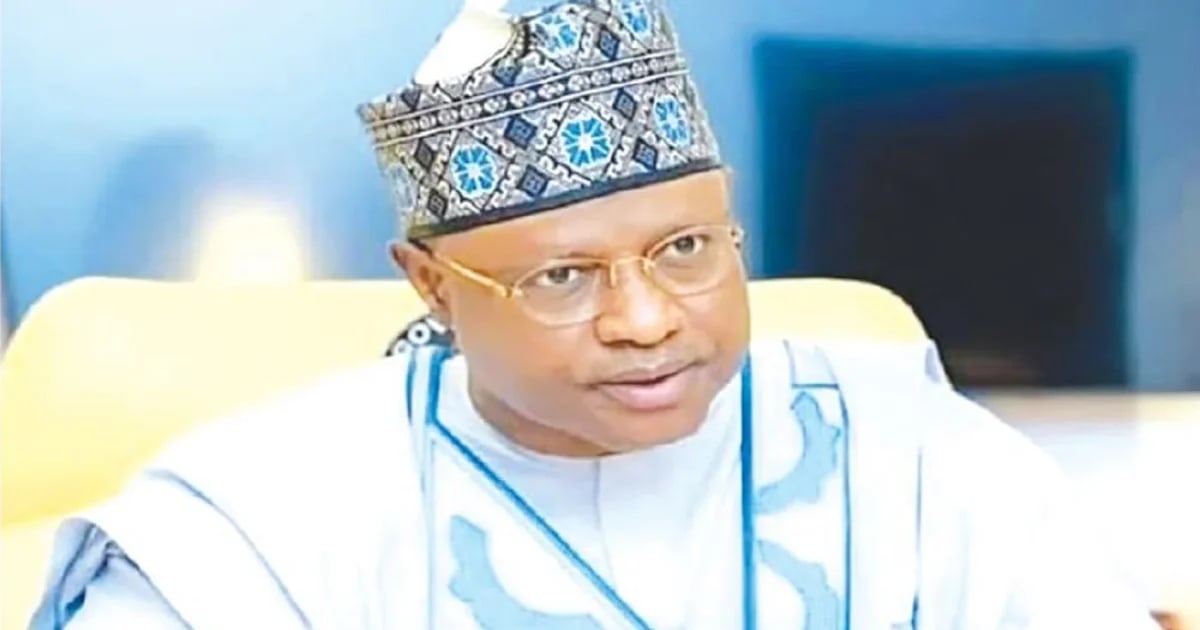
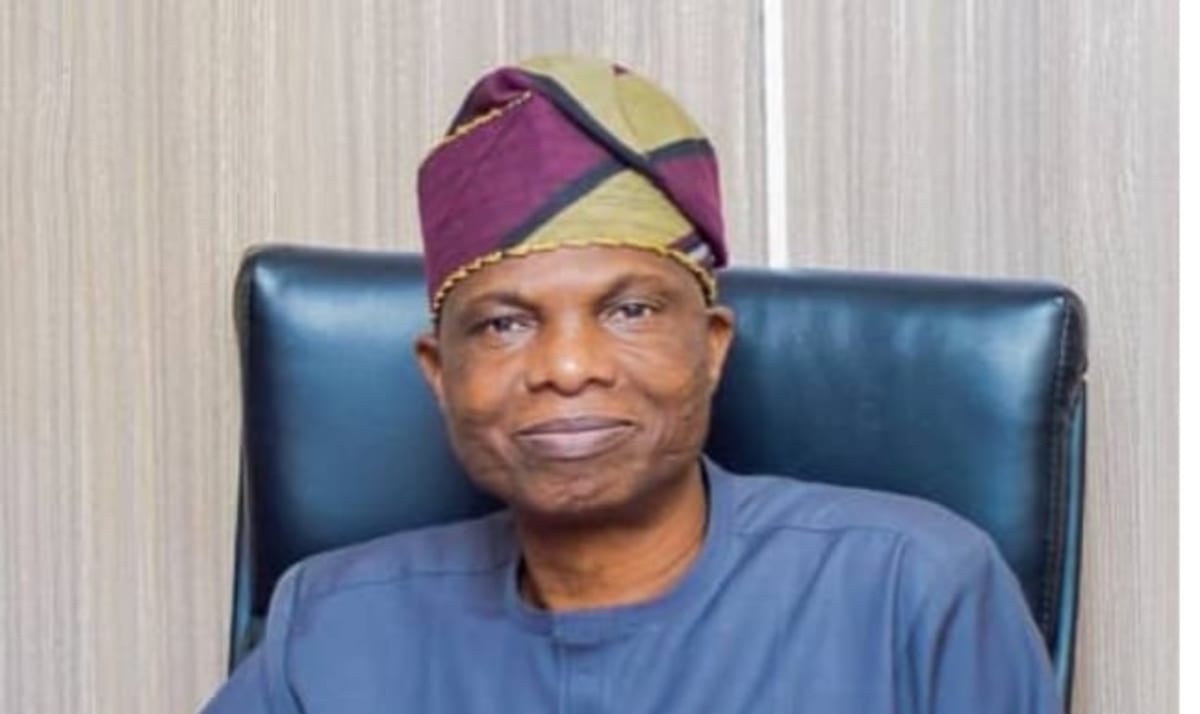
That changed when Commissioner Olusegun Olayiwola led the digitization of Certificates of Occupancy, the legal documents proving land ownership. The new system replaced stacks of paper and manual processing with digital records that cut processing time and made the entire process transparent.
The reform does more than save time. When people can quickly and reliably prove they own land, they're more likely to invest in building homes and businesses. Developers gain confidence to start projects, knowing they won't face documentation nightmares halfway through construction.
Olayiwola's approach to governance started at the grassroots level when he served as chairman of Akinyele Local Government from 2007 to 2011. His administration drilled boreholes and built deep wells in over 30 communities where families had struggled for years to access clean water.
His team also constructed 22 paved roads connecting rural areas to schools, hospitals, and markets. In education, 18 schools received new classroom blocks, giving thousands of students better learning environments and reducing overcrowding.
The Ripple Effect
The land digitization sits within a broader pattern of practical reforms. In the Ministry of Establishment and Training, Olayiwola automated pension and gratuity payments, ending delays that had left retired civil servants waiting months for earned benefits.
As Commissioner for Local Government and Chieftaincy Matters, he helped facilitate the peaceful installation of over 100 traditional rulers. These traditional leaders play vital roles in community governance, and resolving succession disputes stabilized local leadership across the state.
The coordination of financial discussions between state and local governments improved how public funds flowed to grassroots projects. Better allocation processes meant communities saw more consistent delivery of services they'd been promised.
His completion of the Olubadan Palace preserved an important piece of cultural heritage while supporting the continuity of traditional institutions. The project balanced respect for history with the practical needs of modern governance.
The land value capture mechanisms Olayiwola introduced represent another innovation. When public infrastructure like new roads increases nearby land values, the state now captures some of that increase as revenue to fund future development projects.
This creates a positive cycle where today's infrastructure investments help pay for tomorrow's improvements. It's governance that thinks beyond immediate fixes to build sustainable systems.
From drilling wells in water-scarce villages to digitizing land records that affect the entire state economy, Olayiwola's work shows how focused leadership can turn persistent problems into solved challenges.
More Images




Based on reporting by Punch Nigeria
This story was written by BrightWire based on verified news reports.
Spread the positivity!
Share this good news with someone who needs it