Oyo State Invests $5.8M in Schools Despite Security Crisis
Nigeria's Oyo State is fighting back against school closures with a massive $5.8 million investment in learning materials, even as teachers strike over kidnapped students. The government's dual approach tackles both safety concerns and education quality in one of West Africa's largest states.
While schools across Nigeria's Oyo State remain shuttered, the government just approved 8.7 billion naira (roughly $5.8 million) to flood classrooms with new textbooks and learning materials once they reopen.
The investment comes at a critical moment. More than 40 students and teachers were kidnapped from three schools on May 15, sparking a statewide teachers' strike that has now stretched over 40 days. Two teachers were killed in the abduction.
The Nigeria Union of Teachers refuses to send anyone back to classrooms until safety improves. "As much as we have casualties among learners, we have higher casualties among teachers," said union secretary Olukayode Salam. Thousands of students have missed weeks of learning in the final stretch of the school term.
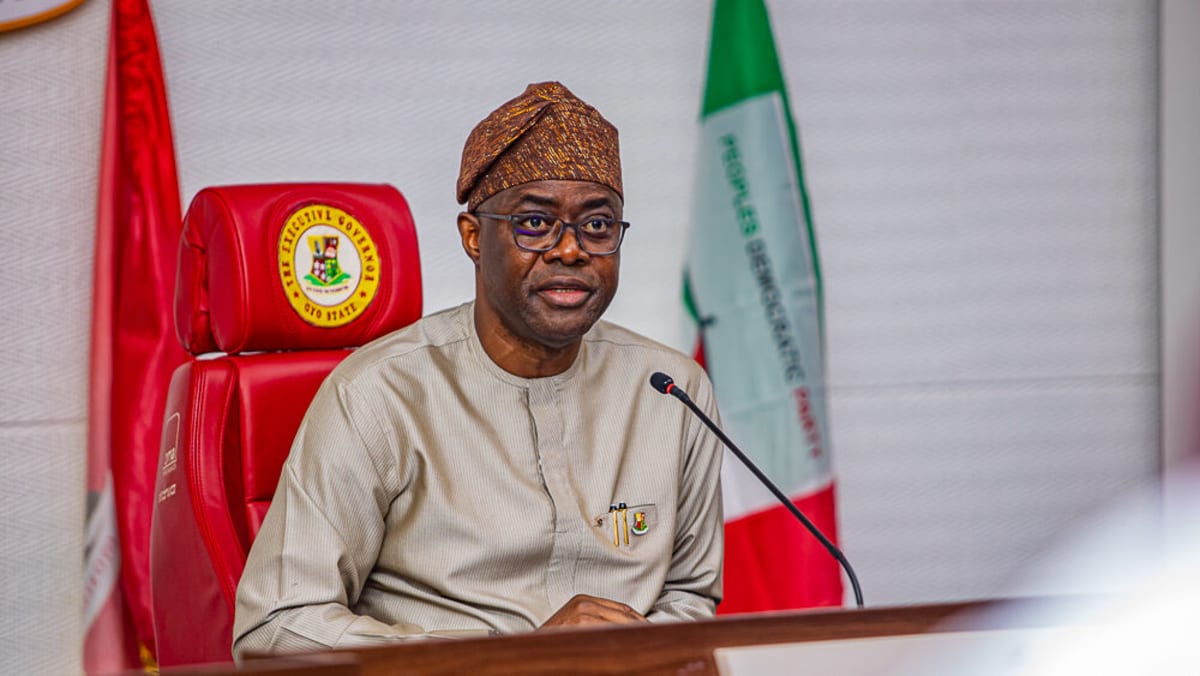
Governor Seyi Makinde isn't backing down on either front. His administration is working to free the hostages while simultaneously pushing forward with education improvements. The 8.7 billion naira represents the first payment in a 23 billion naira education project targeting primary and junior secondary schools.
The new materials will cover literacy, numeracy, math, English and basic science. It's a partnership between Oyo State, Nigeria's Universal Basic Education Commission, and the World Bank using results-based financing.
Here's the clever part: for every textbook successfully distributed, Oyo State earns two dollars per student per subject from international partners. Good execution means more money flowing back into schools.
The Ripple Effect
The investment signals something bigger than just one state's education budget. Oyo State is showing that security crises don't have to freeze progress completely.
The state also approved continuation of its SAfER program, which has provided transportation support, food assistance, healthcare and business grants since 2023. Another $250,000 will go toward implementing African Continental Free Trade Area programs to attract investment.
Commissioner Dotun Oyelade acknowledged the teachers' concerns while urging them to consider the wider impact of prolonged closures. The social and economic consequences ripple through families who depend on schools for childcare, meals and stability.
The state's overall budget jumped from 892 billion to 1.1 trillion naira to accommodate these expanded programs before the current administration's term ends. It's a bet that investing during crisis builds resilience for the future.
When schools do reopen, students won't just return to the same old classrooms but to shelves stocked with fresh learning materials and a government that kept building even when the lights went out.
More Images



Based on reporting by Premium Times Nigeria
This story was written by BrightWire based on verified news reports.
Spread the positivity!
Share this good news with someone who needs it