Pacific Garbage Patch Now Hosts Thriving Marine Life
Scientists discovered 46 species living on plastic debris in the Great Pacific Garbage Patch, creating an entirely new ocean ecosystem. Coastal creatures are surviving and reproducing thousands of miles from shore on long-lasting plastic rafts.
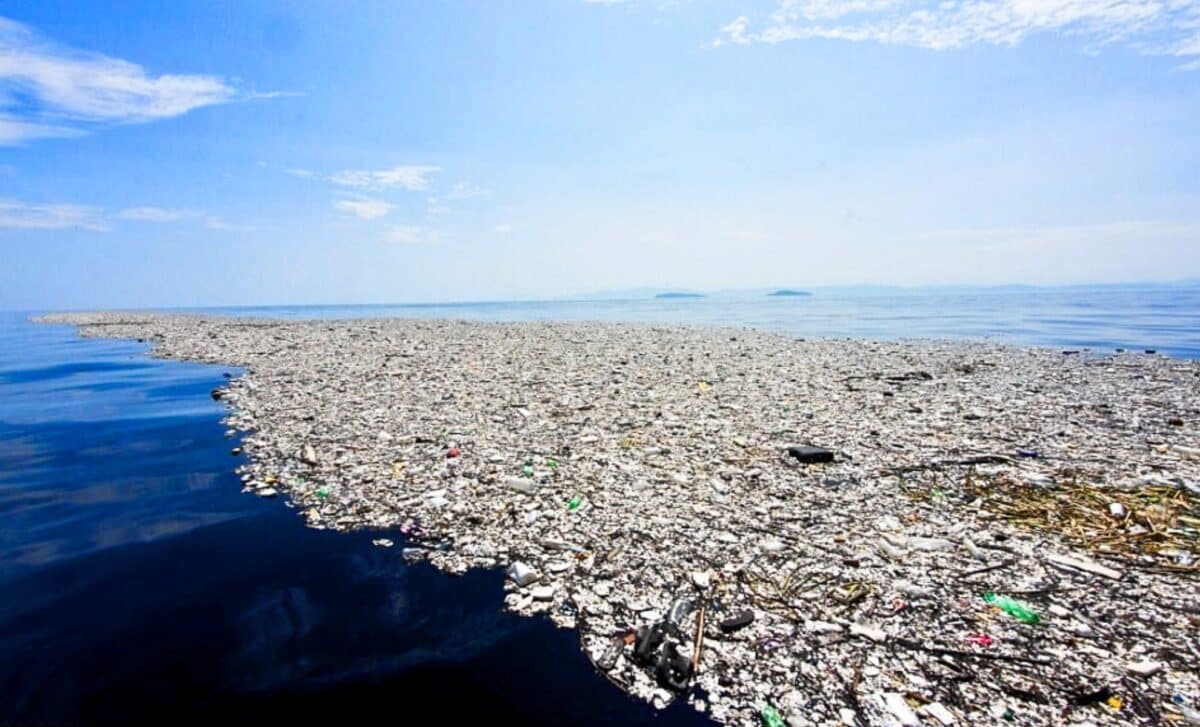
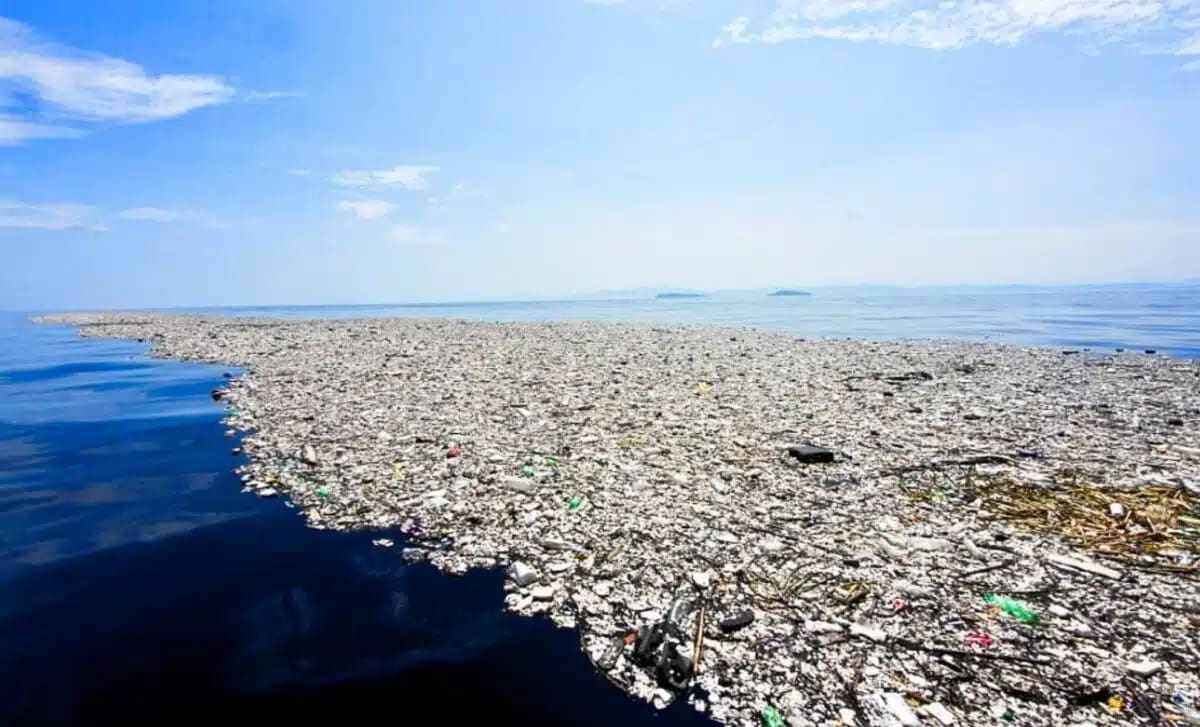
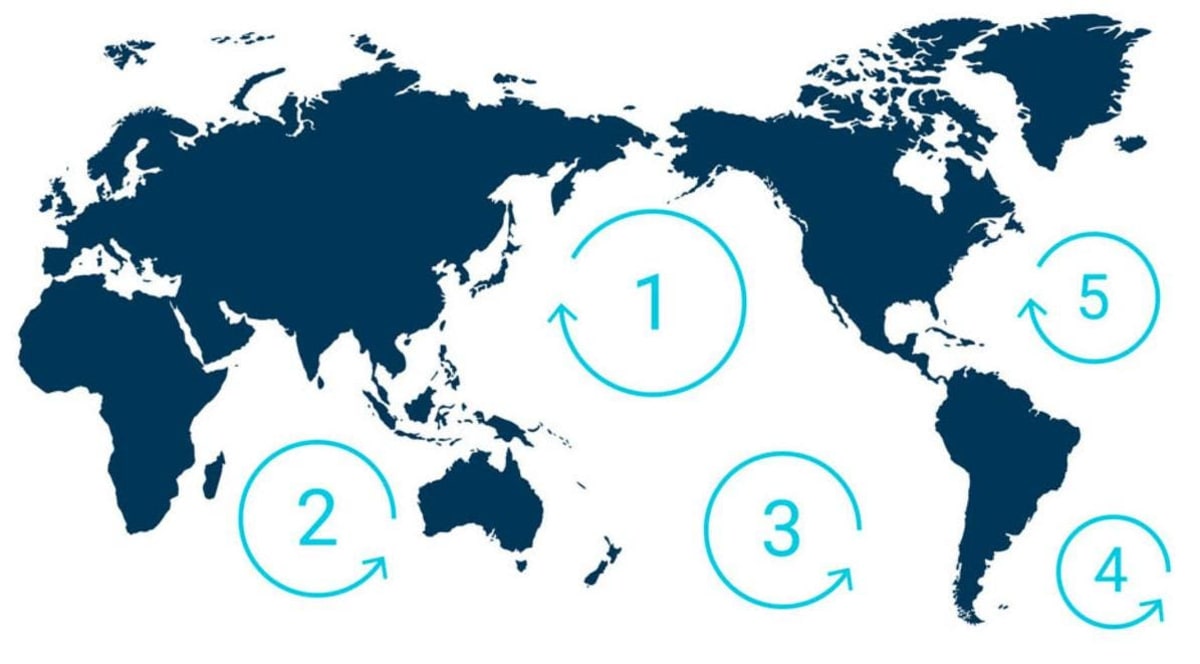
The Great Pacific Garbage Patch, once known only as a symbol of ocean pollution, has become an unexpected home for dozens of marine species thriving in waters where they were never meant to survive.
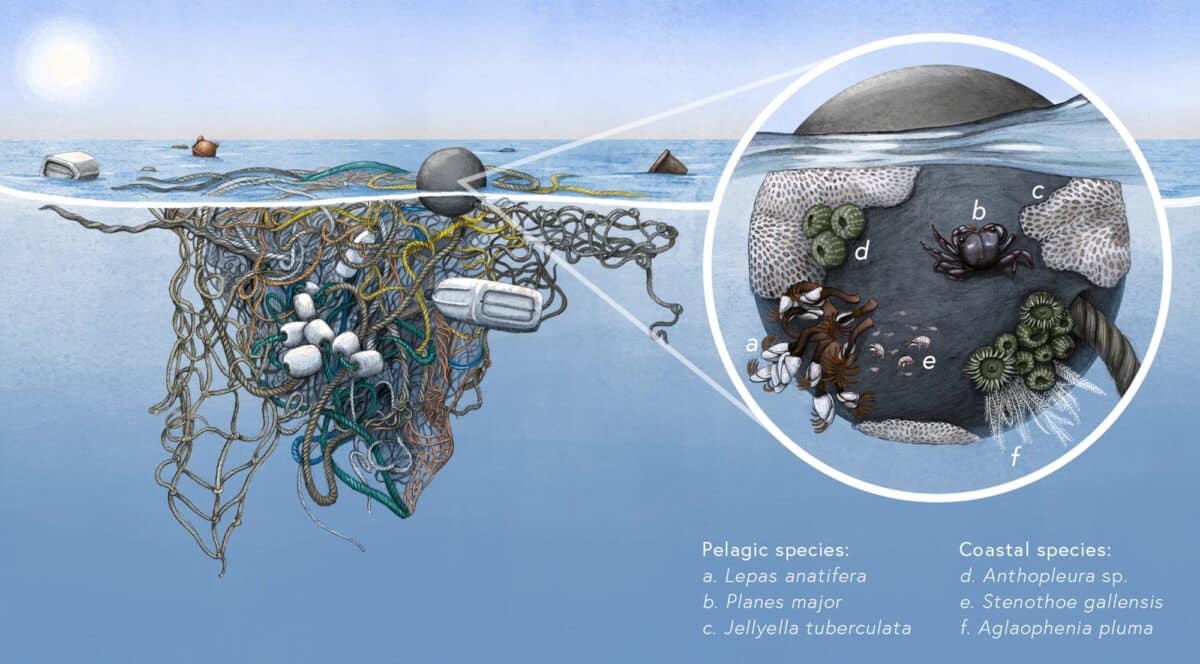
Researchers examining debris floating between Hawaii and California found 46 different invertebrate species living on plastic trash drifting in the North Pacific. About 80% of these creatures are coastal species now surviving thousands of miles from any shoreline.
The discovery started taking shape after Japan's 2011 tsunami sent debris across the Pacific Ocean. Scientists found hundreds of Japanese coastal species still alive on floating objects after traveling over 3,700 miles, with some actually growing and reproducing during their years at sea.
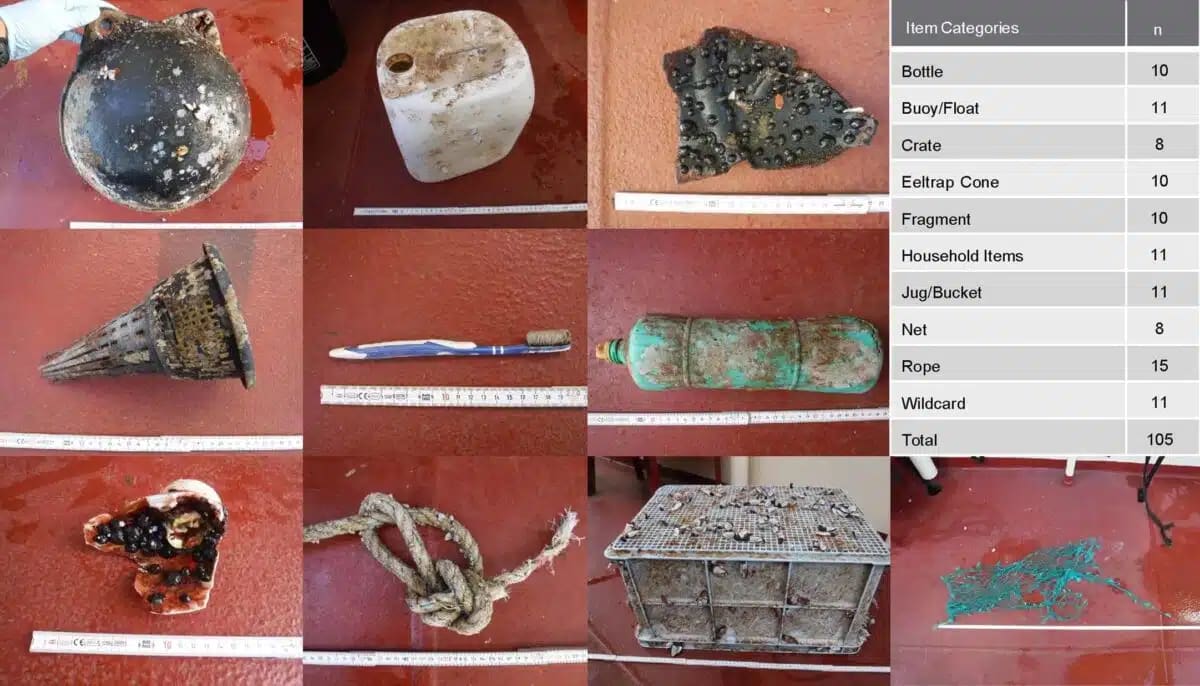
The Ocean Cleanup estimates 1.8 trillion plastic pieces now float in the patch, weighing roughly 100,000 tons total. Fishing nets make up 46% of that mass, and over 75% appears linked to offshore fishing activity, creating large floating structures that can drift for decades.
A research team led by Linsey Haram from the Smithsonian Environmental Research Center published their findings in Nature Communications in 2021. They named this new community the "neopelagic community," describing how durable plastic has created ocean habitat that previously didn't exist.
The difference from natural rafting materials is duration. Wood, seaweed, and pumice break down too quickly to support long ocean crossings, but plastic can float for years or decades. That gives attached organisms time to feed, grow, and reproduce in the open ocean.
Scientists found anemones, hydroids, shrimp-like amphipods, and other coastal invertebrates living alongside traditional open-ocean species. The plastic debris essentially created floating islands where two completely different marine worlds now coexist.
The Ripple Effect: This discovery changes how scientists understand ocean ecosystems and species movement. While plastic pollution remains a serious environmental problem, understanding these unexpected communities helps researchers predict how marine life adapts to human impacts. The Ocean Cleanup continues removing debris from the patch, but this research reveals nature's surprising resilience even in damaged environments.
The findings show life finding ways to survive in the most unexpected places, even as researchers work to clean up the pollution that created this strange new habitat.
More Images
Based on reporting by Google News - Ocean Cleanup
This story was written by BrightWire based on verified news reports.
Spread the positivity!
Share this good news with someone who needs it