Pacific Nation Nauru Reclaims Indigenous Name Naoero
The world's smallest island republic is shedding its colonial past with a name that honors its native language. Nearly 10,000 citizens will vote to officially change Nauru back to Naoero, the name their ancestors used before foreign colonizers arrived.
A tiny Pacific island nation is taking back its identity, one syllable at a time.
Nauru's parliament just passed a constitutional amendment to restore the country's original name, Naoero. The change awaits approval in a national referendum where the island's nearly 10,000 residents will have their say.
President David Adeang tabled the proposal in January, explaining that "Nauru" only exists because colonizers couldn't pronounce the native tongue properly. The government put it plainly: the current name came about "not by our choice, but for convenience."
The shift goes deeper than pronunciation. Most citizens speak Dorerin Naoero alongside English, keeping their ancestral language alive despite decades of foreign control. Restoring Naoero as the official name honors that resilience.
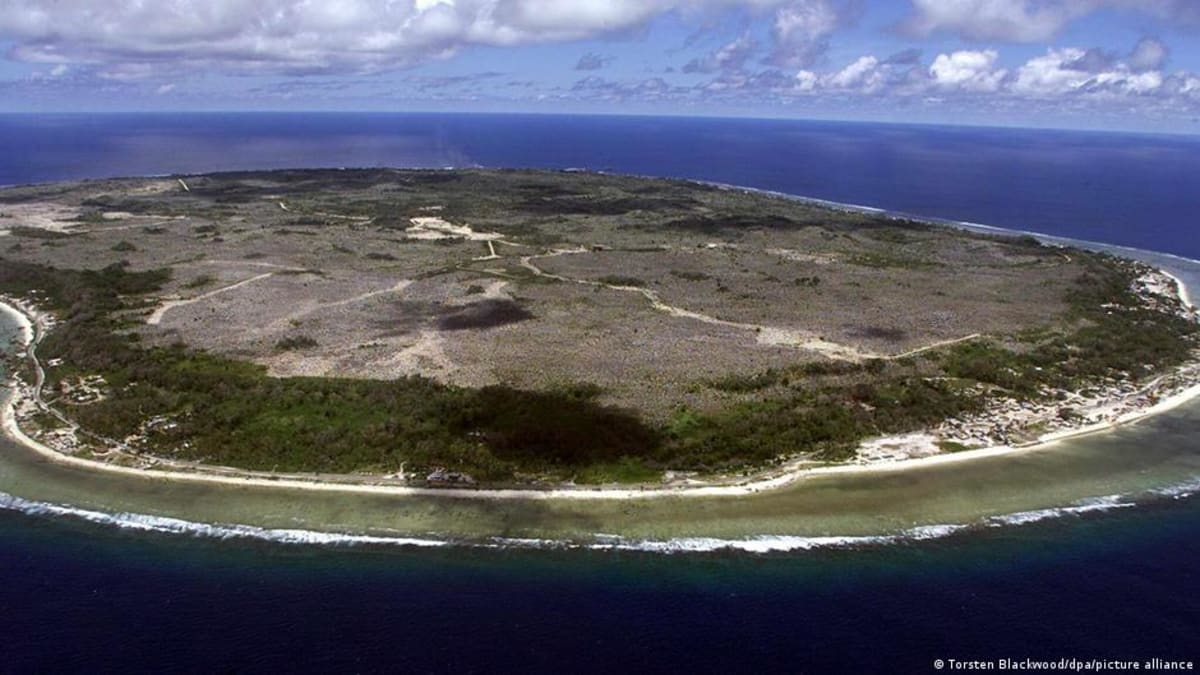
The world's smallest island republic, measuring just 20 square kilometers, carries heavy colonial scars. Germany claimed it in the 1880s, then Australia, the UK, and New Zealand jointly administered it until independence in 1968.
Those colonizing powers extracted the island's phosphate deposits for fertilizer, leaving the island's center barren and uninhabitable. The brief economic boom from continued mining after independence couldn't undo the environmental damage.
The Ripple Effect
This name change joins a growing wave of Indigenous communities reclaiming their identities. From New Zealand officially adopting Aotearoa in government documents to cities restoring Native place names, the movement recognizes that language carries culture, history, and healing.
For Naoero, the referendum represents more than correcting mispronunciation. It signals a nation choosing its own story after generations of outsiders writing it for them. The constitutional change would "more faithfully honor" the nation's heritage, language, and identity, Adeang told parliament.
A small island is making a big statement about who gets to name a place and why that matters.
Based on reporting by DW News
This story was written by BrightWire based on verified news reports.
Spread the positivity!
Share this good news with someone who needs it