Pakistan Brokers US-Iran Ceasefire, Eyes Economic Boom
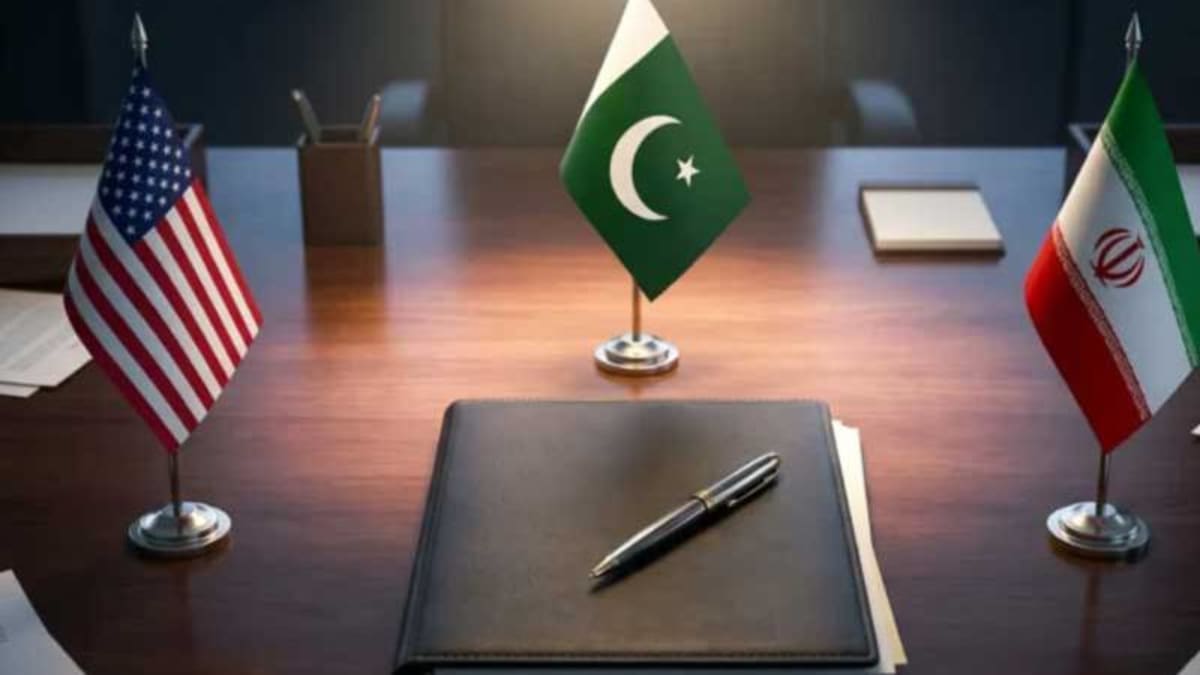
Pakistan successfully negotiated a two-week ceasefire between the United States and Iran, creating a rare opportunity to transform diplomatic wins into lasting economic growth. The country is now preparing to reshape its energy sector and boost regional trade partnerships while the geopolitical window remains open.
Pakistan just pulled off a diplomatic victory that could reshape its economic future for decades to come.
The nation brokered a ceasefire between the United States and Iran, hosted peace talks in Islamabad, and is now preparing to finalize its 2026-27 budget with the International Monetary Fund. For a country that has often struggled to convert diplomatic gains into lasting economic change, this moment represents a genuine turning point.
The ceasefire has temporarily cooled regional tensions, reducing geopolitical risk across South Asia and the Middle East. More importantly, it has given Pakistan the credibility and breathing room to tackle its most pressing economic challenges.
Energy costs have long strangled Pakistan's industrial growth, with electricity tariffs and petroleum prices among the highest in the region. The diplomatic stabilization has already started reducing global oil price pressures and lowering shipping costs, creating an opening for Pakistan to restructure its energy sector.
The government is now planning to lower electricity tariffs through better power sector management and rationalize gas pricing to support export industries. These changes could immediately boost manufacturing competitiveness and attract new investment.
The Ripple Effect
The diplomatic success reaches far beyond Pakistan's borders. The country's geographic position connecting South Asia, Central Asia, and the Middle East makes it a natural trade and energy corridor.
Regional connectivity projects that seemed risky during periods of tension are now back on the table. Energy cooperation agreements and cross-border investment opportunities are becoming realistic possibilities as diplomatic relationships strengthen.
Pakistan's reform strategy, outlined in the PIDE-PRIME Reforms Commission initiative, focuses on growing the economy rather than simply extracting more taxes from struggling businesses. The approach aims to expand the tax base through growth instead of squeezing existing taxpayers harder.
The IMF engagement traditionally meant austerity measures and fiscal tightening. This time, Pakistan is positioning reforms as part of a homegrown growth strategy that builds on diplomatic stability rather than responding to external pressure.
Lower energy costs would reduce inflation, cut production expenses, and make Pakistani exports more competitive globally. Industrial sectors that have struggled with unreliable gas supply and rising tariffs could finally operate at full capacity.
The real test will be whether Pakistan can sustain this momentum beyond the immediate ceasefire period. Converting temporary diplomatic wins into permanent economic structures requires consistent policy execution and continued regional cooperation.
Pakistan is proving that skilled diplomacy can create economic opportunity when leaders are ready to seize the moment.
Based on reporting by Google News - Cooperation Success
This story was written by BrightWire based on verified news reports.
Spread the positivity!
Share this good news with someone who needs it