Pakistan Finds Bacteria Link to Premature Birth Risk
Scientists in Pakistan discovered a single bacteria that can predict premature birth risk in pregnant women. The breakthrough could help save countless newborns in a country where premature birth is a leading cause of infant death.
Scientists in Pakistan just unlocked a mystery that could save thousands of babies' lives. They found that a single type of bacteria in a pregnant woman's body can signal whether her baby is at risk of being born too early.
The bacteria is called Prevotella copri, and it lives naturally in our digestive systems. When researchers found lower levels of this bacteria in pregnant women, those women had a much higher chance of premature birth.
The team of Pakistani researchers called it their "Eureka moment." They studied pregnant women's microbiomes, which is the collection of all the tiny organisms living in and on our bodies. Most microbiome research happens in wealthy countries, making this Pakistan-based discovery especially meaningful.
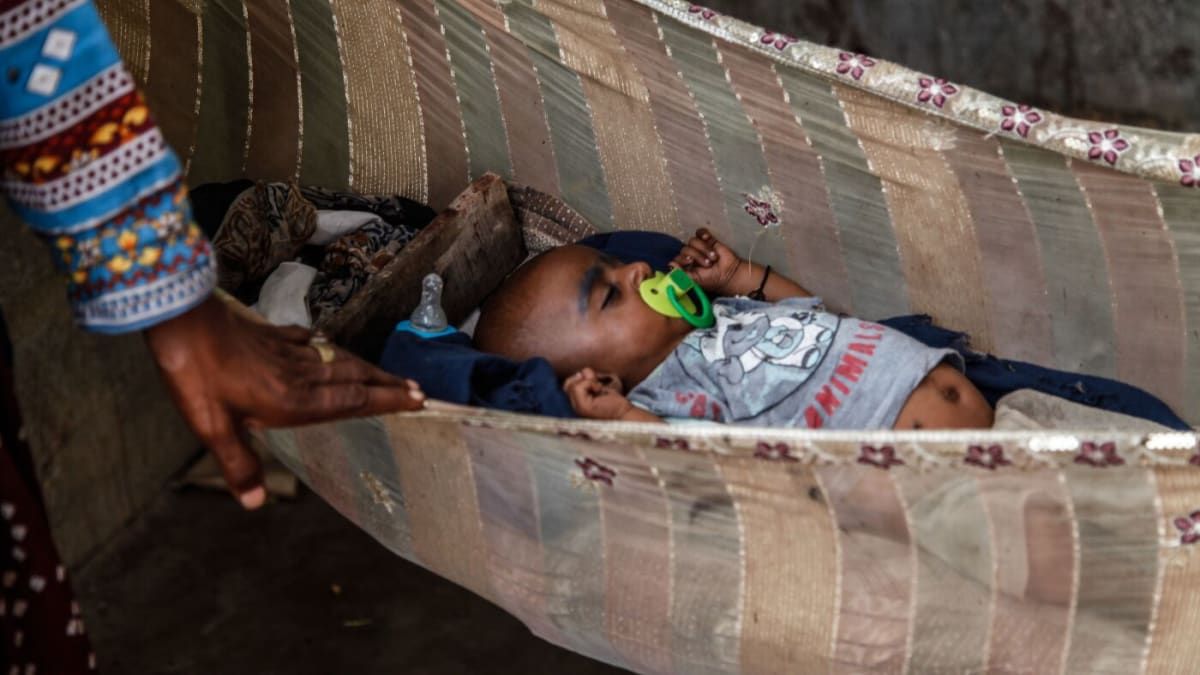
Premature birth is one of the leading causes of infant death in Pakistan and around the world. Babies born too early often face serious health challenges, and families struggle with expensive medical care and emotional stress.
What makes this discovery so promising is its simplicity. Testing for one bacteria is far easier and cheaper than the complex screenings currently used to predict premature birth. This could be especially helpful in places like Pakistan, where many women don't have access to advanced prenatal care.
The Ripple Effect
This research opens doors far beyond Pakistan's borders. Scientists worldwide can now explore whether this bacteria marker works across different populations and regions. If it does, millions of pregnant women could receive simple, affordable tests to identify high-risk pregnancies early.
Early detection means early intervention. Doctors could provide targeted care to women with low Prevotella copri levels, potentially preventing premature births before they happen. That could mean healthier babies, reduced medical costs, and less heartbreak for families everywhere.
The discovery also highlights how researchers in countries often overlooked for scientific innovation are making breakthroughs that benefit the entire world. Pakistani scientists are proving that life-saving discoveries can come from anywhere when researchers focus on local health challenges.
For expectant parents worldwide, this simple bacteria test could one day become as routine as other prenatal screenings, giving families precious peace of mind during pregnancy.
More Images


Based on reporting by Google News - Researchers Find
This story was written by BrightWire based on verified news reports.
Spread the positivity!
Share this good news with someone who needs it