
Pakistan's Solar Boom Saves $12B Amid Middle East Crisis
When power cuts left millions of Pakistanis in the dark, they turned their rooftops into power stations. Now their grassroots solar revolution is shielding the nation from global energy chaos.
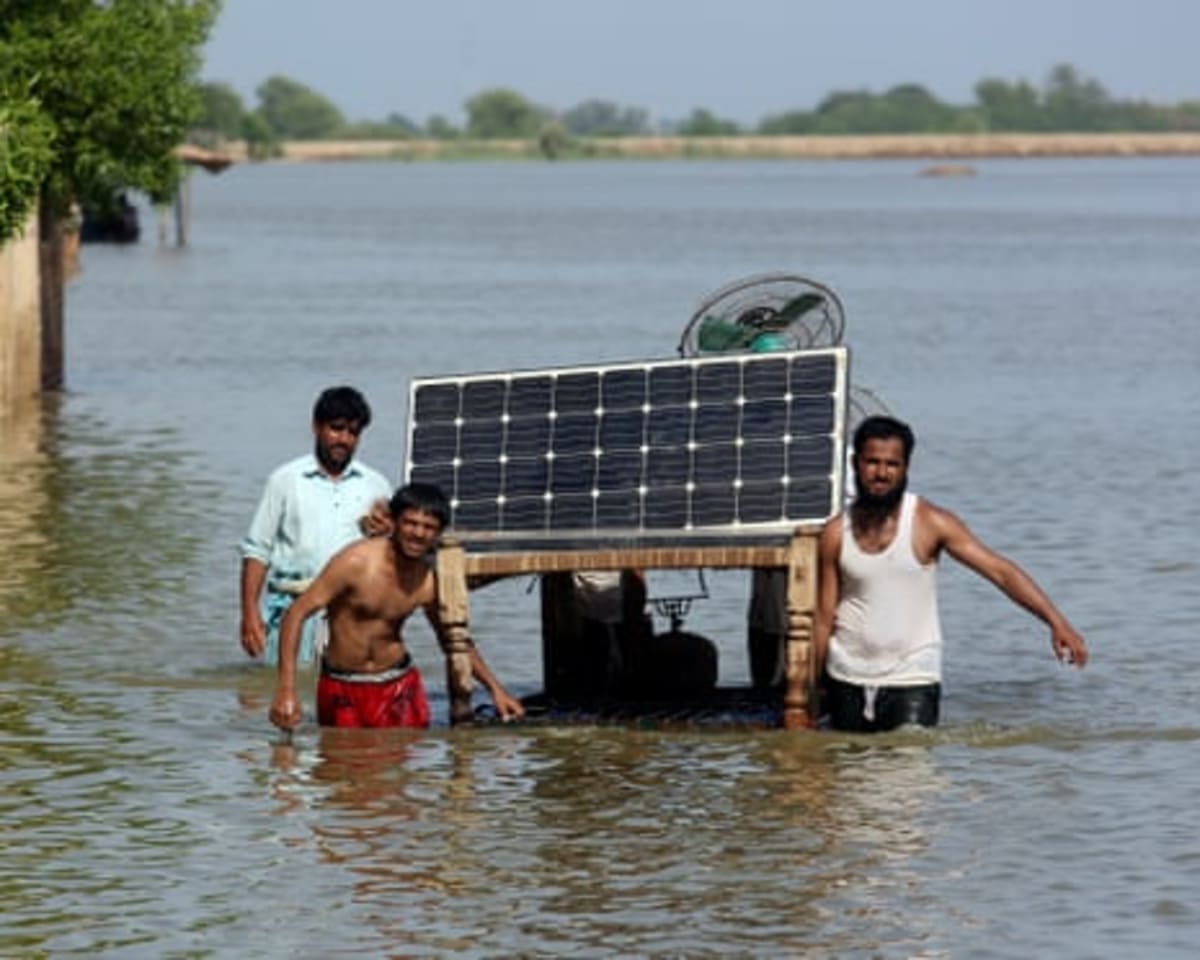
When energy prices exploded after Russia invaded Ukraine in 2022, Pakistan faced a brutal choice: endure endless blackouts or find another way to keep the lights on. Millions chose solar panels.
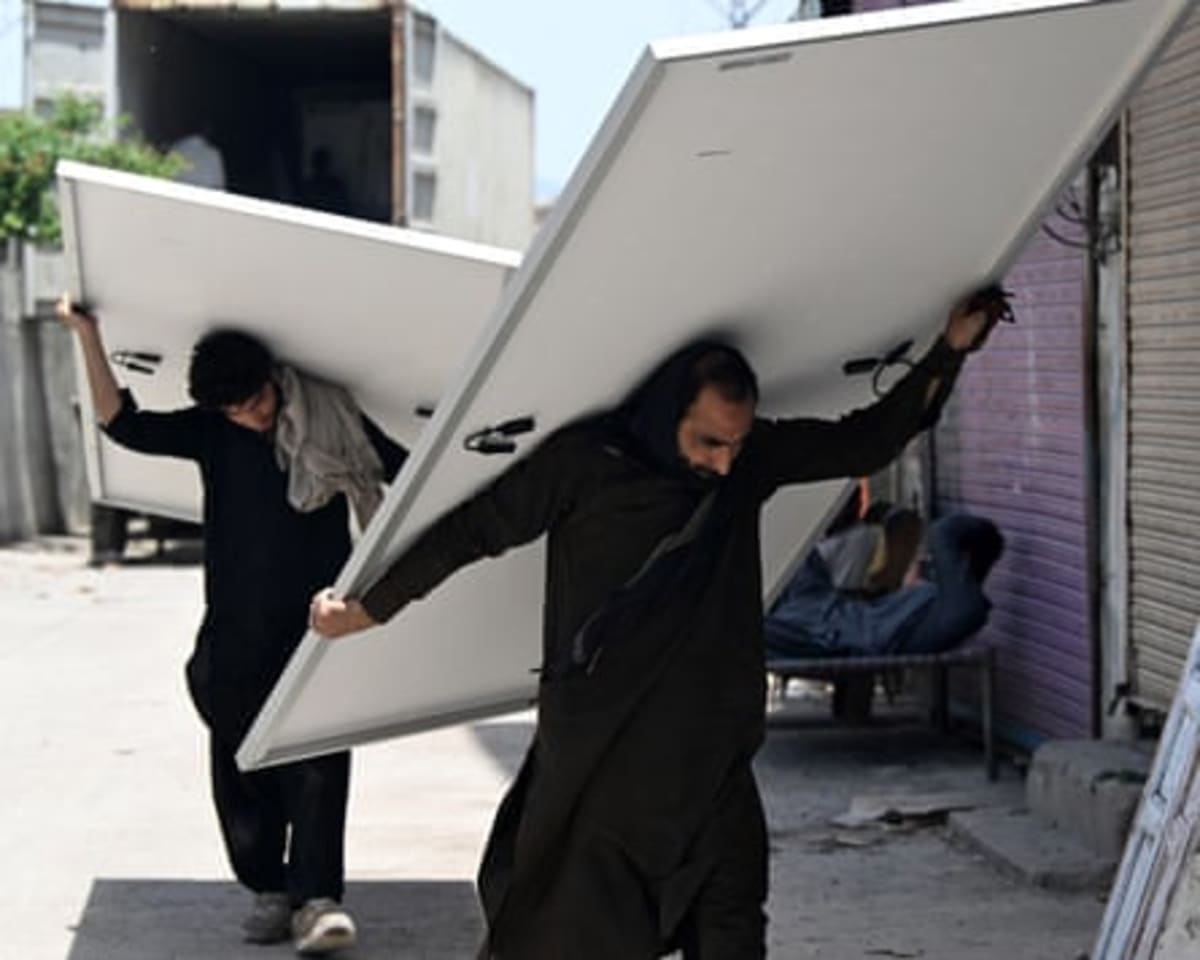
What started as a survival strategy turned into a nationwide energy revolution. Between December 2021 and December 2025, solar power's share of Pakistan's electricity jumped fivefold. Aerial photos of Lahore now show rooftops glittering with panels, a stunning view of bottom-up change.
"People realized it was much cheaper to do a one-time investment in rooftop solar as opposed to keep paying high electricity bills from a grid that is also unreliable," said Nabiya Imran from Renewables First, a Pakistani think tank. By 2024, solar was generating about one-fifth of the country's grid electricity.
The timing couldn't be better. As war in Iran now chokes the Strait of Hormuz, blocking millions of barrels of oil each day in what experts call the largest supply disruption in history, Pakistan's solar surge is providing crucial protection. The country has avoided about $12 billion in oil and gas imports thanks to its solar expansion.
"Distributed solar has been a blessing for Pakistan, preventing at least any immediate supply crunches in the gas sector," said Haneea Isaad, an energy finance specialist. Pakistan even diverted gas shipments from Qatar before the latest crisis because falling demand meant they didn't need them.
The country still faces challenges. Over 90% of Pakistan's oil and gas imports pass through the Strait of Hormuz, and soaring oil prices have pushed up fuel costs by 20%. Schools recently closed for two weeks and half of public employees switched to working from home to save fuel.
The Ripple Effect
Pakistan's experience offers a blueprint for energy security that other nations are watching closely. While Bangladesh, Myanmar, and the Philippines scramble with fuel rationing and India faces cooking gas shortages, Pakistan's people-led transformation shows what's possible when citizens take energy into their own hands.
The crisis is accelerating the shift even faster. More Pakistanis are investing in battery storage to save excess solar power for evening use, building resilience into their homes one installation at a time. Government incentives that let homeowners sell extra power back to the grid made the economics work, proving that smart policy can amplify grassroots action.
"The energy transition towards renewables is no longer just about climate but it's a matter of energy security," Imran added. Pakistan's solar success proves that ordinary people making smart choices can shield entire nations from global shocks.
More Images


Based on reporting by Guardian Environment
This story was written by BrightWire based on verified news reports.
Spread the positivity!
Share this good news with someone who needs it

%2Ffile%2Fattachments%2Forphans%2FiStock-922735808_898102.jpg)