Palestinian Seed Library Preserves Heritage Across Borders
A seed library in Bethlehem safeguards Palestine's agricultural heritage while its founder works from New York to protect threatened crop varieties. Palestinian farmers and diaspora communities now grow ancestral plants that carry centuries of cultural stories.
Seeds can preserve a people's story even when they're scattered across the world.
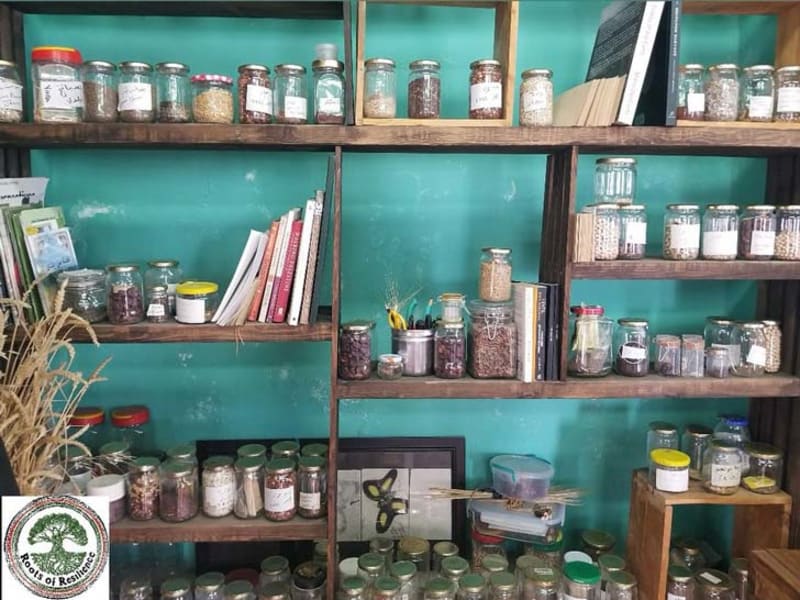
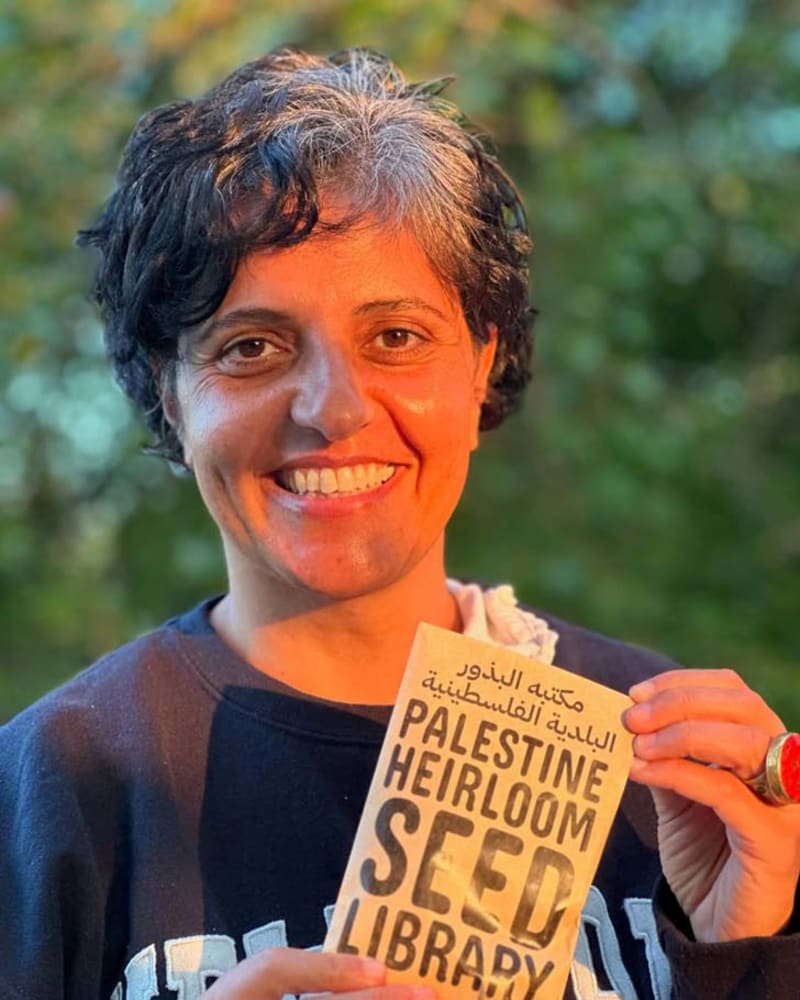
Vivien Sansour founded the Palestine Heirloom Seed Library in 2014 in Battir, a UNESCO World Heritage site near Bethlehem. Though she now lives in New York, the library continues serving local Palestinian farmers who retrieve heritage seeds to plant on their lands.
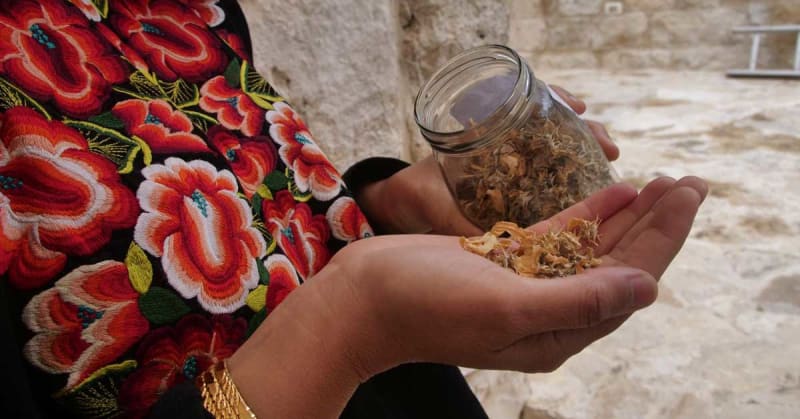
The collection protects varieties that have grown in Palestine for centuries. Olive trees, ancient grapevines, fig and citrus trees all carry genetic memories of the region's agricultural past.
Sansour also runs a Traveling Kitchen project that teaches people about these threatened seed varieties. The program shares traditional Palestinian farming practices and the cultural stories woven into each crop.
"These seeds that have been passed down to us over the centuries carry in their genes the stories and the spirits of the Palestinian Indigenous ancestors," Sansour explains on her website. Beyond their cultural meaning, these seeds offer options for surviving climate change as global crop diversity shrinks.
The Ripple Effect
The seed library's impact now reaches beyond Bethlehem's borders. Palestinians who've moved abroad have taken seeds with them, planting ancestral gardens in new homes.
Professor Riad Bahhur at Sacramento City College grows long-necked gourds called yaqteen, white cucumbers, and Battiri eggplants from Palestinian seeds. His garden connects him to a homeland thousands of miles away.
"These ancestral practices cannot bring back the people who have been killed," Bahhur told Atmos magazine. "But they do embody for us that our ancestral heritage in the land is a long and rooted one."
The library keeps instructional books alongside its seed collection, ensuring farming knowledge passes to new generations. Local farmers can learn techniques their grandparents used while adapting them for modern challenges.
Sansour sees her work as vital for food sovereignty on Palestinian lands. Each seed planted represents both cultural preservation and practical survival as agriculture faces increasing threats.
These humble seeds prove that heritage can take root anywhere, carrying forward stories that refuse to be forgotten.
More Images

Based on reporting by Good Good Good
This story was written by BrightWire based on verified news reports.
Spread the positivity!
Share this good news with someone who needs it