Palm Oil Waste Now Powers Clean Energy in Malaysia
Malaysia's palm oil industry is transforming its biggest pollution problem into renewable energy. Mills are converting toxic methane emissions into clean-burning biomethane that can power factories and vehicles.
What if one of the world's most controversial industries could flip its biggest environmental nightmare into a climate solution? Malaysia's palm oil sector is proving it's possible.
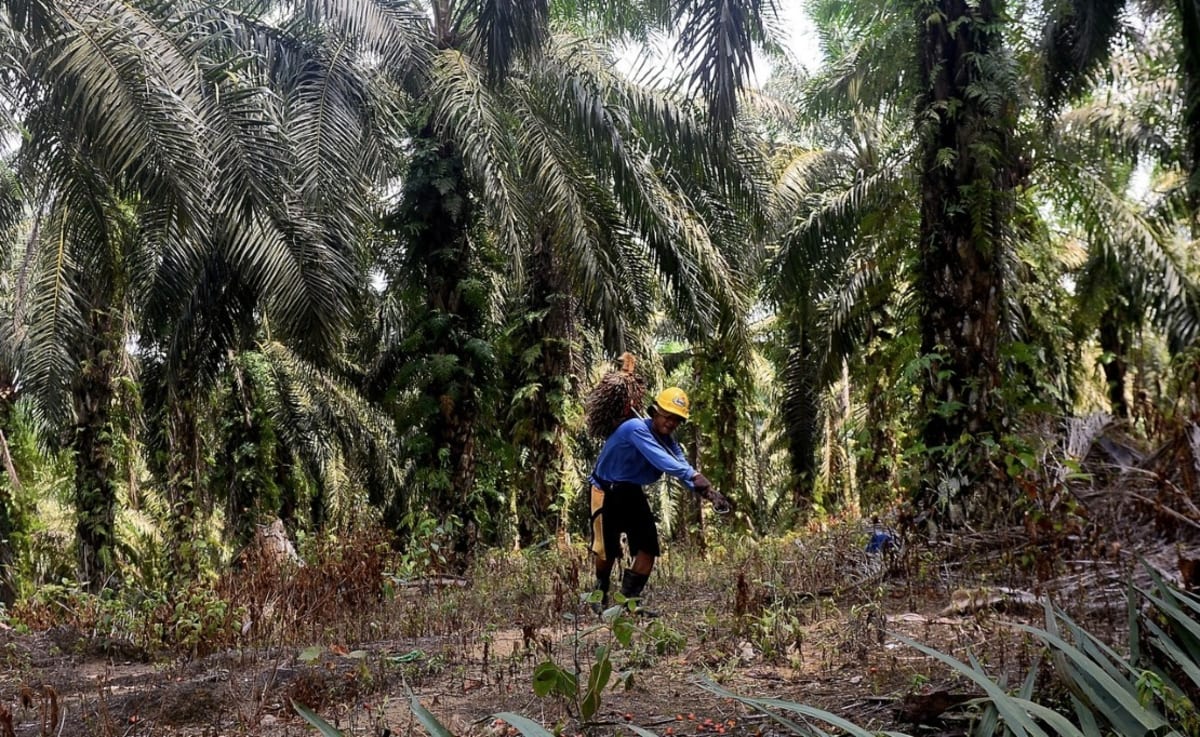
Palm oil mills in Malaysia and Indonesia produce more than 80% of the world's supply. For decades, these operations created a hidden pollution crisis in their wastewater lagoons.
The problem sits in Palm Oil Mill Effluent, a wastewater that releases methane when it decomposes in open ponds. That methane is 25 times more potent than carbon dioxide at trapping heat in our atmosphere.
Now, innovative mills are capturing that methane before it escapes. They mix the wastewater with leftover solid waste like empty fruit bunches in special tanks called anaerobic digesters.
These digesters work like high-tech stomachs. They break down the waste and trap the methane gas, creating biomethane that can power the mill, fuel vehicles, or feed into natural gas grids.
The technology transforms a pollution headache into a revenue stream. Mills that capture their methane can sell carbon credits and market their product as carbon-neutral palm oil, unlocking premium prices.
Several forward-thinking operations are already proving the concept works. They're powering their own facilities with yesterday's waste and dramatically reducing their climate footprint at the same time.
The Ripple Effect
This shift could reshape how the world sees palm oil. An industry long criticized for deforestation and pollution is building circular economies where nothing goes to waste.
The impact reaches beyond individual mills. When smaller operations band together to create centralized biomethane hubs, entire regions can access clean energy while slashing emissions.
Malaysia's National Biomass Action Plan already exists as a framework. The challenge now is acceleration, turning isolated success stories into industry-wide transformation through better financing and streamlined approvals.
Policymakers are being urged to offer stronger incentives like feed-in tariffs and green financing. Industry leaders are calling for knowledge-sharing and collaborative investment to drive down costs.
The waste is already there, bubbling with potential energy. The technology is proven and practical. The climate crisis demands exactly this kind of creative problem-solving.
Malaysia's palm oil mills are showing the world that even controversial industries can become part of the climate solution when they harness the power hiding in their own backyards.
Based on reporting by Google News - Climate Solution
This story was written by BrightWire based on verified news reports.
Spread the positivity!
Share this good news with someone who needs it