Panama Communities Use Jaguars to Save Threatened Forests
Four Indigenous villages in Panama discovered jaguars, tapirs, and 200 species on their lands—and they're now getting paid to protect them. This groundbreaking project could help communities across Central America fund conservation while keeping their forests intact.
When Elsa Quiroz saw a jaguar appear on her son's computer screen, she couldn't believe her eyes. The Indigenous Wounaan mother had only seen the spotted cats in books, not wandering through her village in Panama's threatened Darién forest.
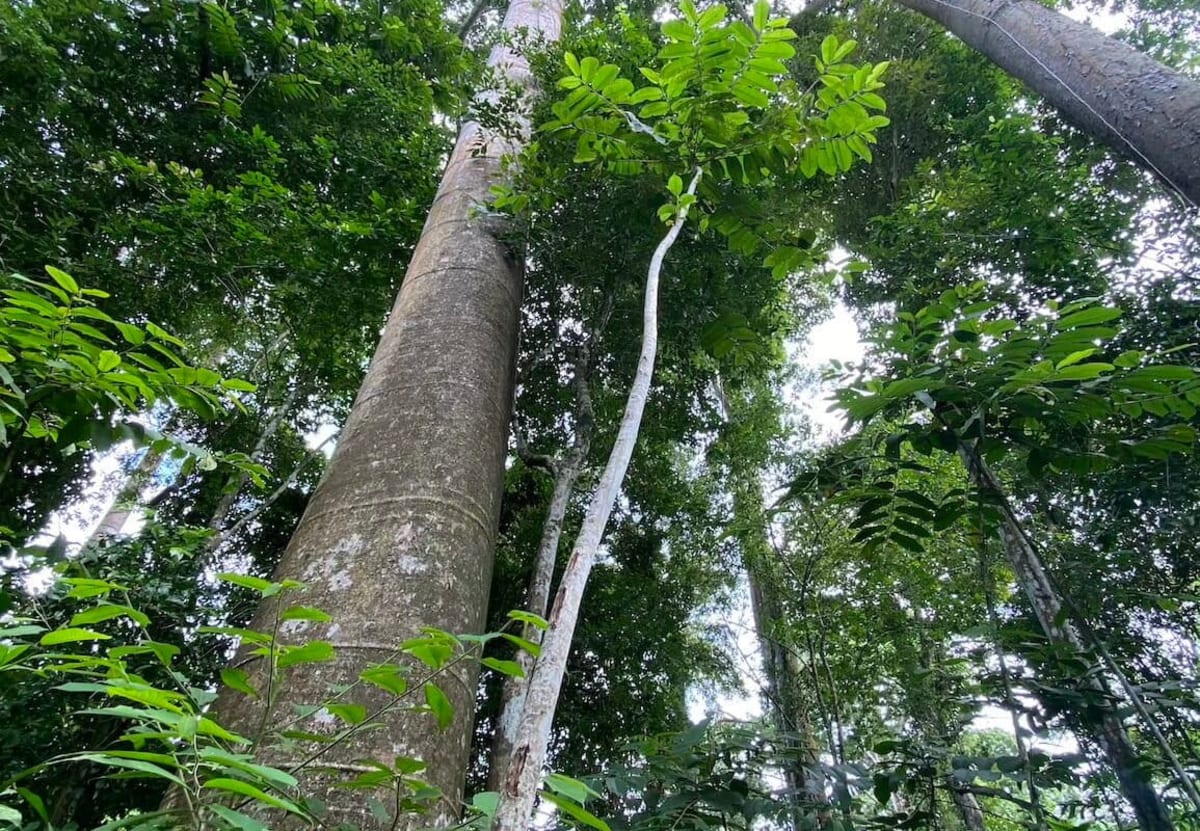
Her son Samuel reviews photos from two camera traps every two weeks in Puerto Lara, a small village squeezed between illegal logging operations and expanding farmland. What he's found has stunned everyone: jaguars, tapirs, crested eagles, and dozens of other species thriving in forests smaller than twice the size of Central Park.
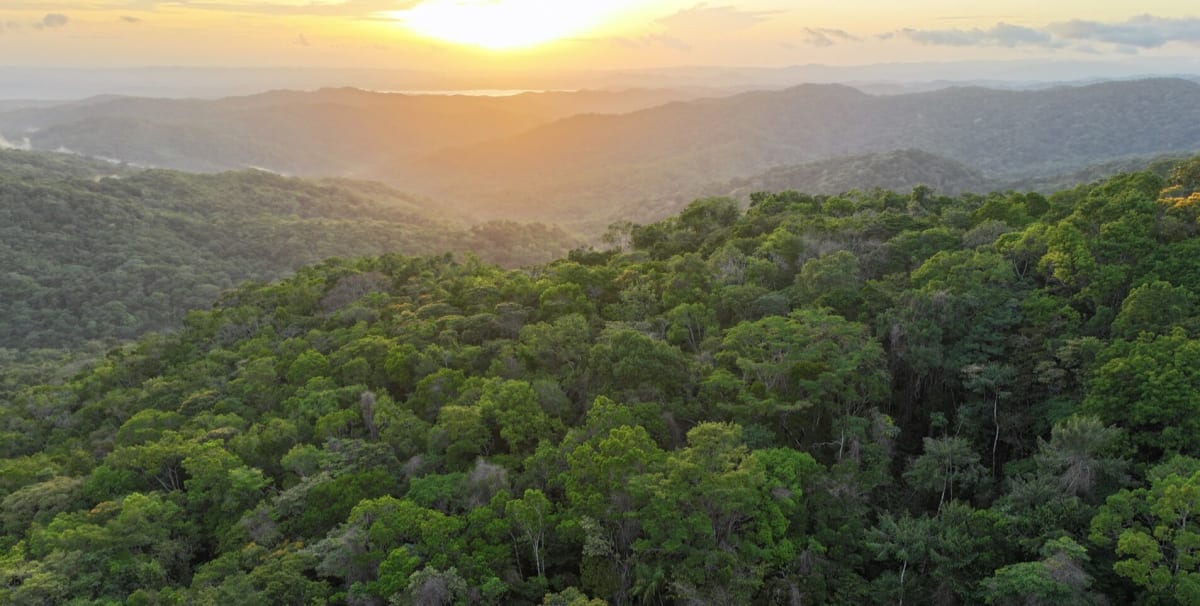
Samuel's work is part of something bigger. Four Indigenous communities managing 18,000 hectares of tropical forest decided to fight back against deforestation the only way they could: by proving their lands were worth more alive than logged.
Starting in 2023, they launched a biodiversity monitoring project guided entirely by Indigenous science and knowledge. The results exceeded expectations: nearly 200 bird species, 73 animal species on camera, including 15 threatened species and three "umbrella" species whose protection helps entire ecosystems.
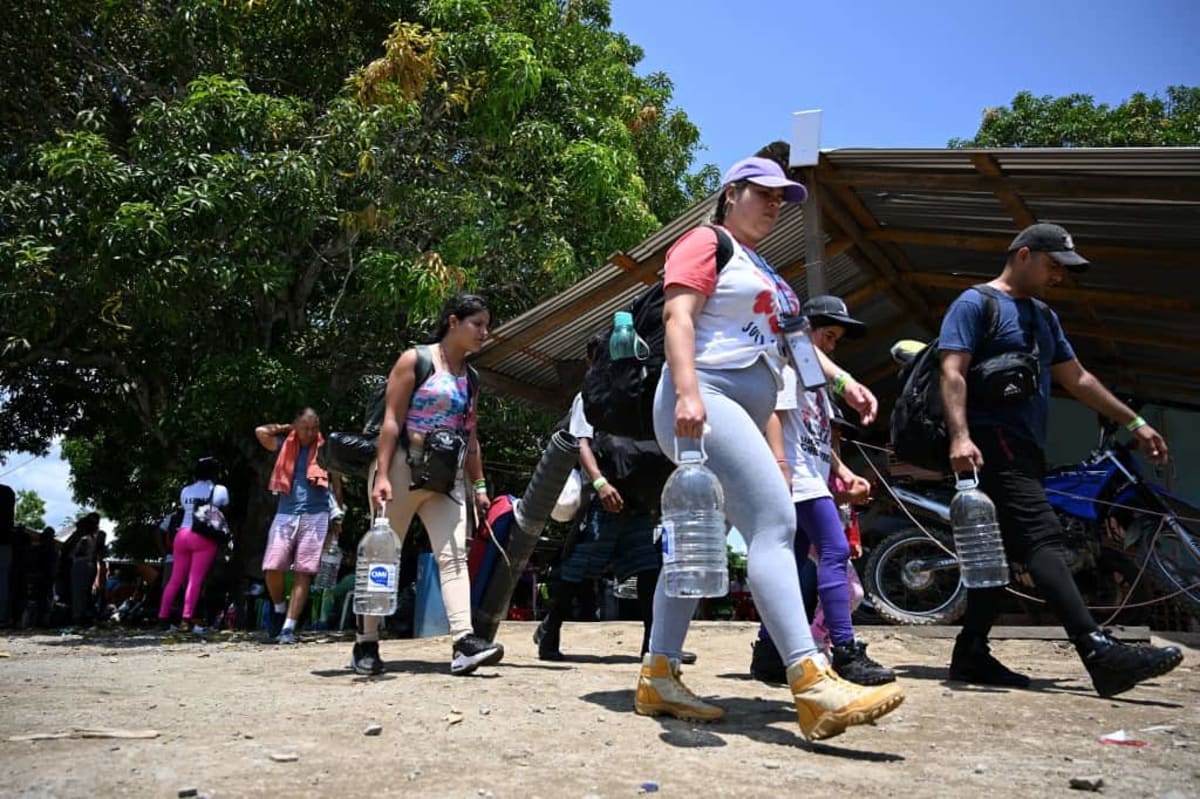
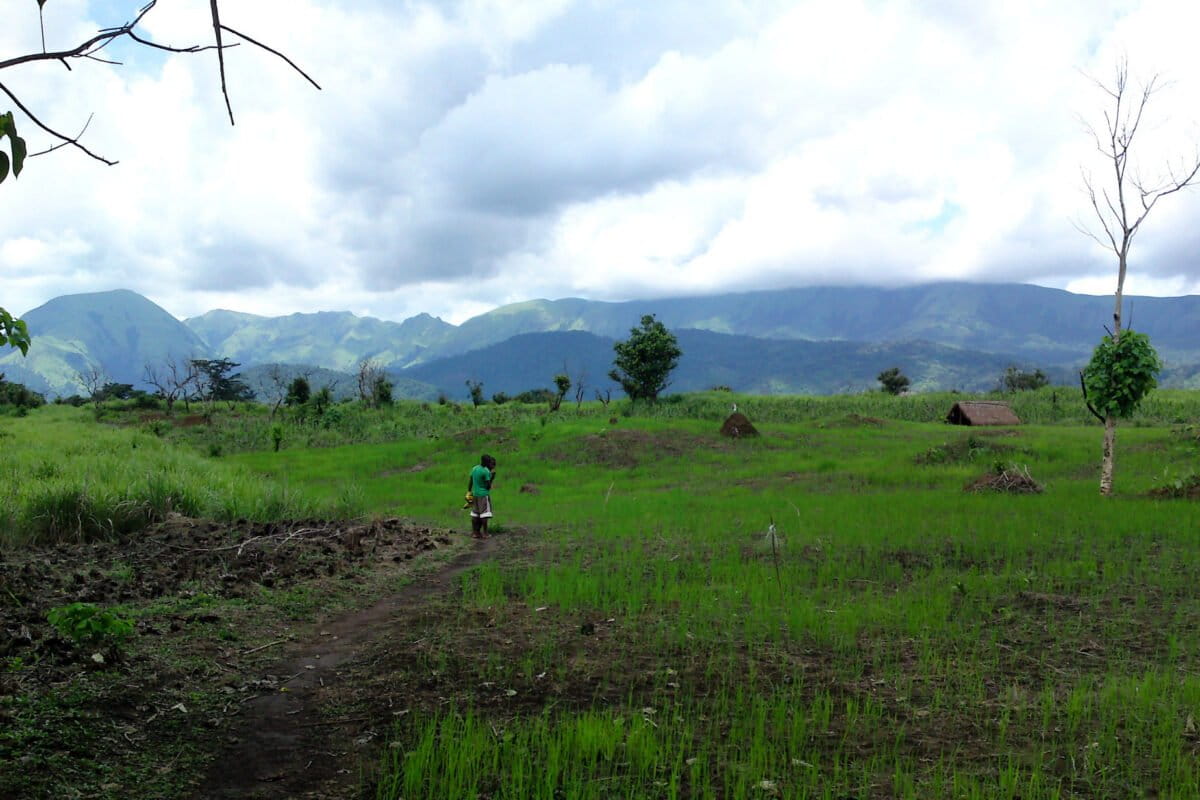
The communities face real pressure. In 23 years, the Darién has lost 23,000 hectares of primary forest to illegal logging and agricultural expansion. Many Indigenous families lack legal rights to their ancestral lands, making them vulnerable to encroachment sometimes backed by the national government itself.
Economic struggles compound the problem. Roads are nearly unusable, forcing farmers to sell crops to middlemen who take 50% cuts. "There's not enough money to sustain us," says Franklin Fogoná from Alto Playón community. "Some Indigenous people prefer to log or hunt to solve their immediate needs."
Now these communities are pioneering a solution. They're among the first in Central America joining the emerging biodiversity credits market, using their monitoring data as proof their forests deserve protection funding.
The Ripple Effect
This isn't just about saving jaguars in Panama. The project mapped economic activities in all four villages and developed plans to improve them while protecting forests. "It opened our minds," Quiroz says, showing communities what groundwork to lay for future generations.
The FSC Indigenous Foundation listened first to what communities needed, then found grants to help fulfill those goals. By documenting what lives in their forests, these villages proved something powerful: Indigenous lands hold treasures worth protecting, and communities can lead conservation while supporting their families.
Over 650,000 hectares of Indigenous territories remain disputed in Darién. But now there's a roadmap: document, protect, and get paid for the conservation work Indigenous people have done for generations.
These four communities are showing Central America that protecting forests and feeding families aren't opposing choices anymore.
More Images
Based on reporting by Mongabay
This story was written by BrightWire based on verified news reports.
Spread the positivity!
Share this good news with someone who needs it