Panama's Golden Frogs Return to Wild After 16 Years
For the first time since 2009, critically endangered Panamanian golden frogs are being released back into their natural habitat after a devastating fungal disease wiped them out completely. Scientists are studying how these captive-bred frogs adapt to the wild, paving the way for saving other endangered amphibian species.
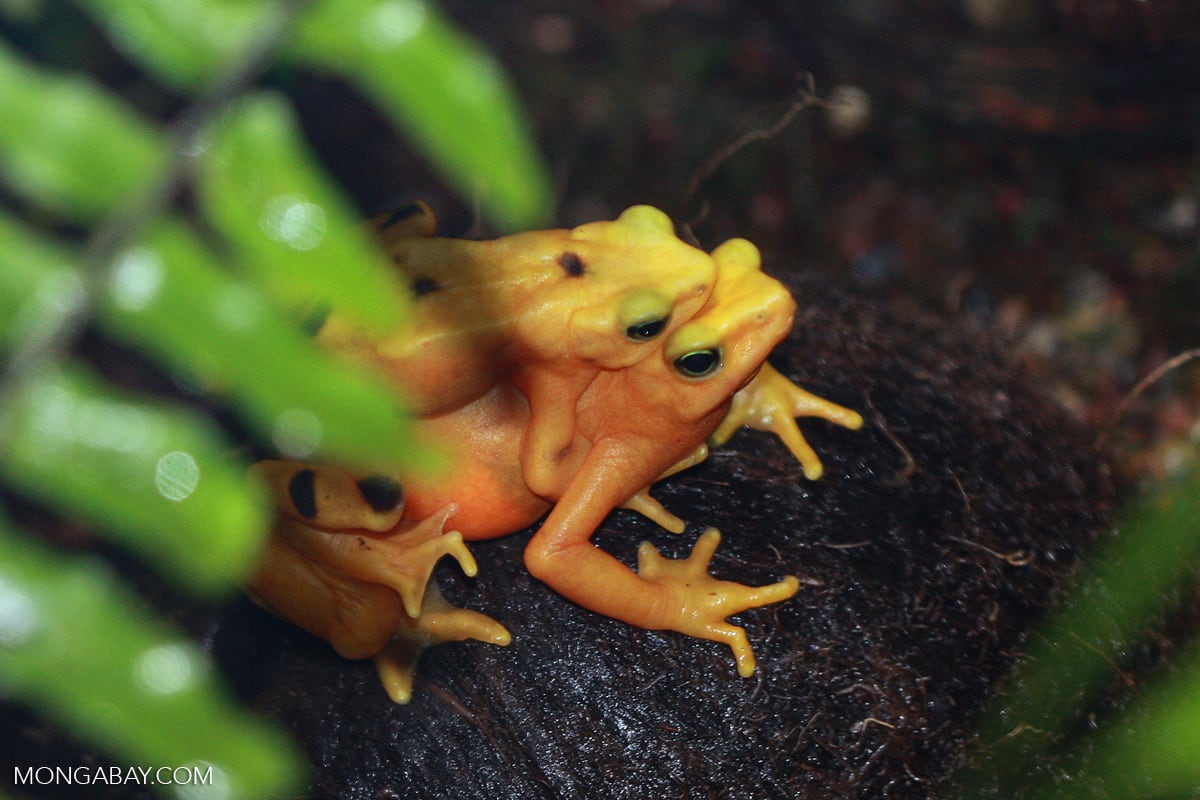
After vanishing from Panama's forests for 16 years, bright yellow golden frogs are hopping back into the wild.
The Panamanian golden frog disappeared completely in 2009 when a deadly fungal disease swept through their last mountain stronghold. But scientists saw it coming and launched a rescue mission just in time, collecting frogs to breed in captivity and keep the species alive.
Now the Panama Amphibian Rescue and Conservation Project has entered an exciting new chapter. They've released 100 captive-bred golden frogs into special outdoor pens called mesocosms to study how the animals transition from human care back to nature.
The results offer genuine hope. About 30% of the frogs survived the 12-week trial and have been fully released into the wild, giving researchers crucial data about disease resistance and survival strategies.
"We provide care for some of the most endangered amphibians in Panama, and now we are entering a new phase of our work to study the science of rewilding," said Roberto Ibañez, director of the project.
The golden frog once lived only near fast-running streams in central Panama's mountains. The fungus that nearly destroyed them, chytridiomycosis, infects frog skin and can spread through water or even hitch a ride on people's shoes.
The Ripple Effect
The golden frog project is already making waves beyond one species. Scientists released three other endangered frog species in 2025 using the same approach, and the results exceeded expectations.
Lemur leaf frogs showed excellent survival rates in their release trials. Acoustic monitoring picked up the calls of crowned tree frogs and Pratt's rocket frogs, confirming they're thriving in the wild.
The data from frogs that didn't survive proves just as valuable. Scientists are studying how frogs regain their natural skin toxins after eating a wild diet, which helps them fight disease.
Conservation biologist Brian Gratwicke sees the bigger picture. The team's modeling suggests some release sites might be climate refuges where conditions favor frogs but remain too hot for the deadly fungus to thrive.
These trials are teaching researchers exactly what endangered frogs need to make it in the wild again. Each piece of information brings Panama closer to restoring its amphibian populations and potentially saving species on the brink of extinction.
After 16 years of silence, Panama's mountains may soon echo with golden frog calls once more.
More Images



Based on reporting by Mongabay
This story was written by BrightWire based on verified news reports.
Spread the positivity!
Share this good news with someone who needs it