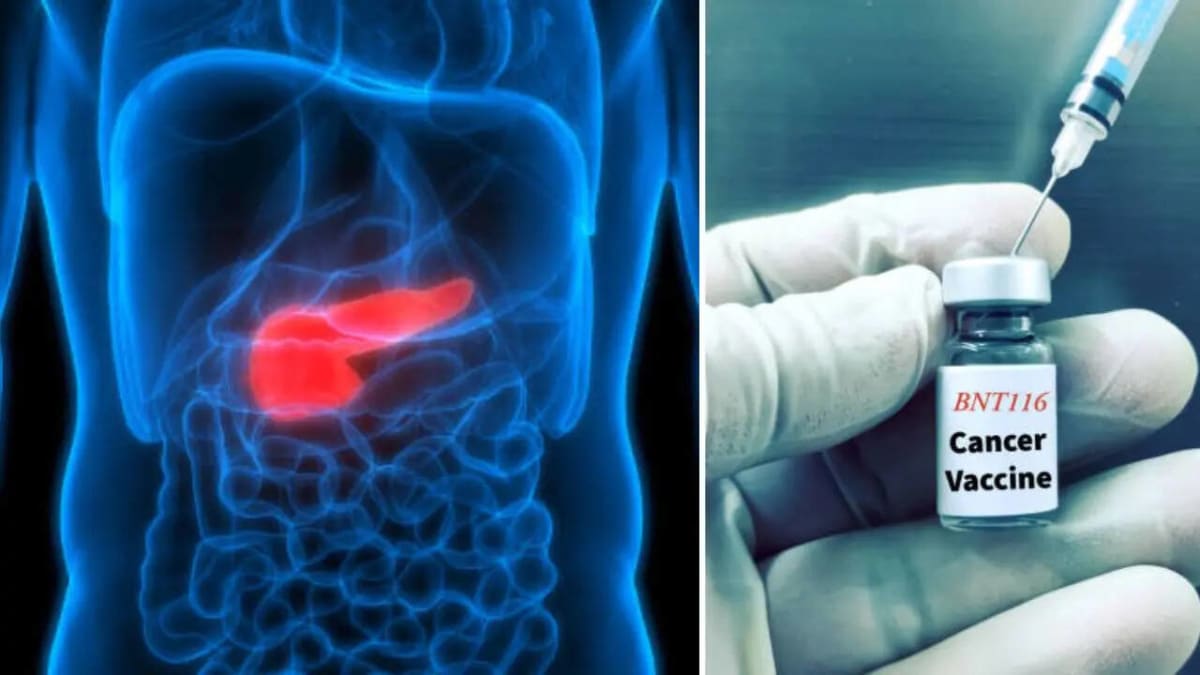
Pancreatic Cancer Vaccine: Patients Survive 6+ Years
A personalized mRNA vaccine is helping pancreatic cancer patients survive six years and counting, with nearly 90% of responders still alive. For a disease with just 13% five-year survival, this breakthrough offers real hope.
Six years ago, Donna Gustafson faced one of the deadliest diagnoses in medicine: pancreatic cancer. Today, at 72, she's cancer-free thanks to a personalized vaccine that's rewriting survival odds for one of medicine's toughest challenges.
Gustafson noticed jaundice during a trip and received the devastating news: stage 2 pancreatic cancer. After surgery to remove her tumor, she joined a clinical trial at Memorial Sloan Kettering Cancer Center testing a revolutionary approach to stopping cancer from returning.
The vaccine works differently than traditional treatments. During surgery, doctors collected tissue from her tumor and analyzed its unique genetic mutations. Scientists then created a custom mRNA vaccine designed specifically for her cancer, teaching her immune system to hunt down and destroy any remaining cancer cells.
The results have stunned researchers. Nearly 90% of patients who responded to the treatment are still alive, with multiple people now reaching the six-year mark cancer-free. In a disease where fewer than 13% of patients survive five years, these numbers represent a dramatic shift.
Pancreatic cancer remains so deadly because it hides well. Most cases lack symptoms until late stages, routine screening tests don't exist, and only 20% of tumors can be surgically removed. Even after successful surgery, cancer often returns from cells too small to detect.
This vaccine targets that hidden threat. It activates two types of immune cells: killer T cells that attack cancer directly and helper T cells that maintain long-term protection. Together, they create a lasting defense against recurrence.
Why This Inspires
The timing of this breakthrough matters as much as the science. Earlier cancer vaccines tested in advanced stages showed limited success, but researchers discovered the key: intervening early, right after surgery, when the body can mount its strongest immune response.
This insight is reshaping cancer treatment strategy. Rather than waiting for cancer to return, doctors can now train the immune system while it's strongest, potentially preventing recurrence before it starts.
The success has sparked larger Phase 2 trials involving BioNTech and Genentech to test the approach in more patients. Scientists are also developing vaccines targeting KRAS mutations, genetic changes found in most pancreatic cancers and 25% of all cancers.
For Gustafson and others in the trial, the vaccine has delivered something rare in pancreatic cancer: years of healthy life. She's not just surviving but thriving, proof that personalized medicine can transform outcomes even in the most challenging diseases.
This breakthrough represents more than scientific progress. It's a fundamental shift in how we fight cancer, moving from one-size-fits-all treatments to precision medicine tailored to each patient's unique tumor. For families facing pancreatic cancer, that means hope backed by real survival data.
More Images


Based on reporting by Google News - Vaccine Success
This story was written by BrightWire based on verified news reports.
Spread the positivity!
Share this good news with someone who needs it