Pandemic Turned Teens Into Heroes: The COVID Generation Rises
While headlines focused on youth as victims, teenagers across America were quietly stepping up to run ambulances, counsel struggling peers, and 3D-print face shields. A new study reveals how the pandemic awakened a generation's capacity for action.
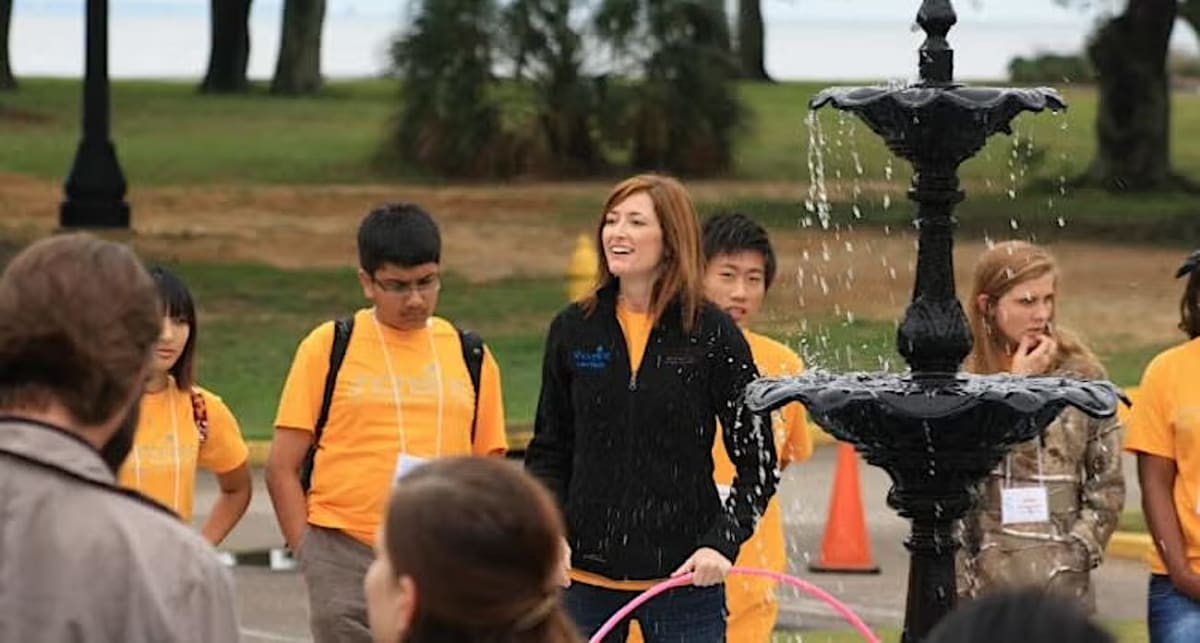
When the usual ambulance volunteers in Sackets Harbor, New York had to step back during the pandemic, teenagers did something remarkable. They got certified as ambulance drivers and took over running the entire local emergency medical service.
This wasn't an isolated incident. Across America, young people were quietly becoming crisis responders while the world worried about what the pandemic was doing to them.
In Los Angeles, teens with the nonprofit Teen Line fielded round-the-clock calls from peers struggling with isolation. Kids as young as five assembled care packages for neighbors in need. Students fired up their school 3D printers to create face shields for essential workers.
"For some young people, it was an awakening—a realization that they had the capacity to do something in the face of a crisis," said Lori Peek, a sociologist at the University of Colorado Boulder who studies how disasters impact children.
Peek and her team analyzed over 115 pandemic-era news stories featuring children's voices. They discovered eight distinct ways kids helped during COVID, from distributing supplies and food to offering peer counseling and participating in vaccine research.
What stood out most was how instinctively young people recognized who needed help. They identified elderly neighbors, people with disabilities, lower-income families, and the homeless as those hit hardest by the pandemic.
The acts of compassion weren't always grand. Children painted rocks with messages like "The best is yet to come" and placed them on neighborhood sidewalks. One teen organized a mini prom for his babysitter after she missed her school's celebration during lockdown.
Seventeen-year-old Shashank Salgam summed up the experience: "Me and my peers were hit hard by the isolation of quarantine, but we're rebounding with a resolve to connect beyond boundaries."
The Ripple Effect
Research on adults who volunteered after 9/11 offers clues about lasting impact. Years later, they reported the experience helped them heal from trauma, feel more connected to their communities, and empowered to create change.
"I would like to think that these children understand the impact they made and that it changed their opinion of themselves," said Zoe Lefkowitz, one of the study's researchers. She hopes the empathy they felt will encourage them to address other inequalities as they grow older.
The study, published in the Journal of Hazard Literacy, introduces a new term: disaster literacy. Having grown up with increased natural disasters, mass shootings, and now a pandemic, today's youth understand crisis in ways previous generations didn't.
"With the rise in the number of disasters globally, we are growing a more disaster-literate generation," Peek said. "The question now is, how do we harness what these young people have to offer?"
Lefkowitz has one practical suggestion for parents facing the next crisis: ask your children what they'd like to do to help, and the COVID generation may surprise you with their answers.
More Images


Based on reporting by Good News Network
This story was written by BrightWire based on verified news reports.
Spread the positivity!
Share this good news with someone who needs it

.jpg)